
Planting
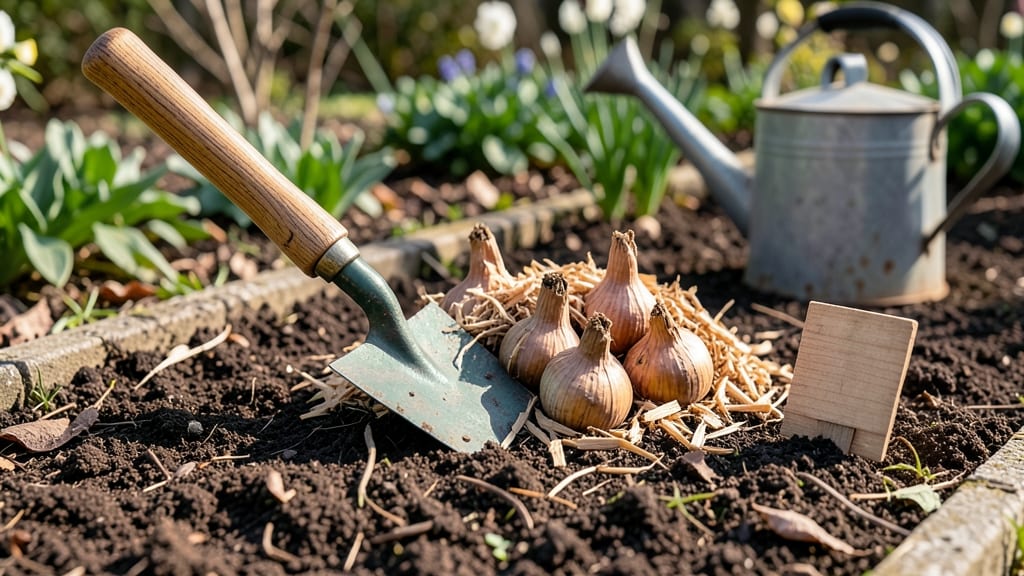
The best way to plant daffodil bulbs at the right depth transforms your fall chores into a spring spectacle. 🌱 I’ve buried mine deeper than most guides suggest—and my blooms arrive earlier, taller, and with fewer pests. The secret isn’t just depth, but timing, soil prep, and a little patience. Most gardeners dig too shallow, leaving bulbs vulnerable to frost heave or hungry squirrels. Aim for 6 inches deep (double the bulb’s height) in well-draining soil, and you’ll see roots spread like a network before shoots emerge. The key? Plant after the first frost when soil temps hit 50°F, and your bulbs will establish roots without rotting. By spring, you’ll have clumps of vibrant yellow trumpets that multiply yearly, crowding out weeds naturally. The foliage stays green until summer, feeding next year’s blooms—no extra work required. Just mark the spots if you forget where they’re planted (trust me, I have). This method works for shady borders, woodland gardens, or even containers—just adjust spacing (4-6 inches apart) for smaller pots. Let’s get those bulbs in the ground before the soil freezes!
📚 In This Guide
- What you need
- Instructions
- Tips and common mistakes
- Wrapping up and next steps
What you need
- ● Daffodil bulbs: Choose high-quality, disease-free bulbs (typically 12–24 bulbs per 100 sq. ft., depending on desired density). Look for firm, plump bulbs with no signs of mold or soft spots.
- ● Garden trowel or bulb planter: A sharp, sturdy trowel (6–8 inches long) for digging holes with precision.
- ● Garden fork or spade: For loosening compacted or clay-heavy soil to a depth of 12–15 inches.
- ○ Compost or well-aged manure: 1–2 cups per planting hole to enrich soil with nutrients (optional but highly recommended for poor soil).
- ● Bone meal or bulb fertilizer: A low-nitrogen, high-phosphorus fertilizer (e.g., 5-10-10 ratio) to promote root growth. Follow package instructions for dosage.
- ○ Mulch (optional but helpful): 2–3 inches of straw, shredded leaves, or pine needles to insulate bulbs and retain moisture.
- ● Bulb planter gauge: A measuring tool to ensure bulbs are planted at the correct depth (6 inches deep for most daffodils).
- ● Garden gloves: To protect your hands from sharp soil or bulb debris.
- ● Soil pH tester: Daffodils prefer slightly acidic to neutral soil (pH 6.0–7.0). Adjust with lime or sulfur if needed.
- ● Drip irrigation or hose with gentle spray: For even watering without disturbing newly planted bulbs.
- ● Plant labels or markers: To track varieties and planting dates (especially useful for large gardens!).
Step-by-Step instructions for planting daffodil bulbs
Here's how I plant daffodils for blooms so thick they look like a yellow carpet in spring.
🌱 Step 1: Choose the Perfect Planting Location
Daffodils thrive in full sun—at least 6 hours daily—but tolerate partial shade if summers are scorching. I pick spots with well-draining soil because soggy roots cause rot. Raised beds or slopes work beautifully if your yard stays damp after rain.
Test your soil by digging a 6-inch hole—if water pools instead of draining within 30 minutes, amend with 2-3 inches of compost or plant in a raised bed. Avoid low spots where winter water collects, as daffodils hate wet feet.
🪴 Step 2: Plant Bulbs at the Right Depth and Spacing
Use the 3x depth rule: plant bulbs 6 inches deep for standard daffodils (or 4-5 inches for smaller varieties). I measure from the base of the bulb, not the neck. Push the bulb into loose soil so the pointed end faces upward—this ensures the stem grows straight.
Space bulbs 4-6 inches apart in rows 6-8 inches apart for a natural look. Crowding weakens blooms, but don't space too far apart or you'll lose that lush spring display. Tap the surrounding soil gently to eliminate air pockets without compacting it.
💧 Step 3: Water and Mulch for Winter Protection
Water deeply right after planting to settle the soil around the bulbs. You'll see the surface firm up slightly—that's your signal the roots are making contact. After watering, apply 2-3 inches of mulch (like shredded bark or straw) to insulate bulbs from freezing temperatures.
Mulch also prevents soil from heaving during freeze-thaw cycles, which can push bulbs too close to the surface. In cold climates, I add an extra 1-2 inches of mulch in late fall to protect bulbs from extreme cold. Avoid heavy mulch that smothers growth in spring.
☀️ Step 4: Wait and Watch for Spring Growth
Leave the soil undisturbed until you see green shoots in early spring—usually 4-6 weeks after planting, depending on your climate. Daffodils are tough and don't need winter care once planted; just let nature do its work.
When leaves appear, remove the mulch to allow sunlight to warm the soil. You'll notice the foliage grows taller after a few weeks—that's the plant's energy building for next year's blooms. Never cut back leaves until they turn yellow in late spring, or you'll starve the bulb.
⏰ Step 5: Maintain for Future Blooms
After flowering, let the foliage die back naturally. This process—called photosynthesis after bloom—feeds the bulb for next year's flowers. I mark planting spots with small flags to avoid disturbing roots when mowing or weeding.
Fertilize lightly in early fall with 5-10-10 fertilizer (about 1 tablespoon per square foot) to encourage strong root growth before winter. Over-fertilizing leads to weak blooms, so less is more. Repeat this process each fall for vibrant blooms for years to come.
Tips & tricks for perfect daffodil planting
These pro tips will help you get that show-stopping spring display every gardener dreams of.
Bulb Selection Matters: Choose firm, dry bulbs with papery skins—avoid any that feel soft or moldy. I look for bulbs that are at least 2 inches in diameter for the biggest blooms. Smaller bulbs will still flower but may take a year or two to reach their full potential. Store them in a cool, dark place until planting day.
Timing Secret: Plant daffodils in fall, about 6 weeks before the ground freezes in your area. This gives roots time to establish before winter. In warmer climates, you can plant as late as January, but aim for cooler weather to prevent premature sprouting. The 6 hours of sunlight mentioned in Step 1 becomes even more critical after planting—bulbs need this light to photosynthesize and build energy for next year's blooms.
Soil Prep Insight: Before planting, I always loosen the soil to a depth of 12 inches—this helps roots penetrate deeply. Mix in 2-3 inches of compost as recommended, but avoid fresh manure which can burn tender roots. For heavy clay soil, add sand or perlite to improve drainage. The 30-minute drainage test from Step 1 is your best friend here—if water still sits after 30 minutes, keep amending until it passes.
Winter Protection: In areas with harsh winters, I add an extra 1-2 inches of mulch after the first snowfall. This creates an insulating blanket that protects bulbs from extreme temperature swings. Remove mulch in early spring once shoots appear—this prevents rot and allows sunlight to warm the soil for faster growth.
Pro Tips for Best Way To Plant Daffodil Bulbs
- These pro tips will help you get that show-stopping spring display every gardener dreams of.
- Bulb Selection Matters: Choose firm, dry bulbs with papery skins—avoid any that feel soft or moldy.
- Timing Secret: Plant daffodils in fall, about 6 weeks before the ground freezes in your area.
Frequently asked questions
Got questions about planting daffodil bulbs? You’re not alone! Here are answers to the most common concerns to help you grow confidently.
When is the best time to plant daffodil bulbs?
Plant daffodil bulbs in fall—typically 6–8 weeks before the ground freezes (usually October–November in most U.S. zones). This timing lets roots establish before winter. Avoid planting in spring; bulbs need cold dormancy to bloom properly. Pro tip: If you miss fall, wait until early winter (just before snowfall).
Can I plant daffodil bulbs in winter?
Yes, but only if the ground isn’t frozen solid. Plant in late winter (January–February) if you’re in a mild climate (zones 7–9). In colder areas, wait until the soil thaws. Use a bulb planter to avoid compacting frozen soil. Warning: Bulbs planted too late may not bloom as vigorously. Prioritize fall planting for best results!
How deep should I plant daffodil bulbs?
Daffodils thrive when planted 6–8 inches deep (twice the bulb’s height). Deeper planting prevents rodent damage and ensures strong roots. In heavy clay soil, amend with compost to improve drainage. Exception: Smaller varieties (like Jonquil) can go 4–6 inches deep. Mark planting spots with flags to avoid digging later!
How do I protect daffodil bulbs from squirrels or rodents?
Rodents love daffodil bulbs! Deter them by:
- Planting bulbs in wire mesh cages (bury cages 12+ inches deep).
- Using hot pepper spray (mix cayenne + water) around the planting area.
- Choosing tulip-free zones—squirrels avoid daffodils less often than tulips!
- Planting bulbs in containers (bury pots in the ground).
Pro tip: Plant bulbs near alliums or fritillaries—their strong scent repels pests!
What if my daffodils don’t bloom the first year?
Don’t panic! Daffodils often skip blooming the first year while establishing roots. Focus on:
- Ensuring bulbs get full sun (6+ hours/day).
- Avoiding over-fertilizing (use a balanced 10-10-10 in early spring instead).
- Watering deeply after planting and during dry spells.
Blooms should appear year 2 or 3. If bulbs rot, check drainage—daffodils hate soggy soil!
Can I plant daffodils in containers instead of the ground?
Containers are great for:
- Small spaces or renters (use pots 12+ inches deep).
- Improving drainage (add perlite or sand to soil).
- Moving bulbs easily (ideal for trial planting).
Tip: Plant 3–5 bulbs per 10-inch pot. Overwinter containers in a cool, dark place (like a garage) until spring. Drainage holes are a must!
Wrapping up and next steps
Planting daffodil bulbs is your golden ticket to a burst of spring color—and with the right technique, you’ll enjoy years of effortless blooms! Remember: deep planting (6–8 inches), well-draining soil, and patience are your best friends.
Whether you’re a first-timer or a seasoned gardener, these steps will set you up for success.
Now that you’re armed with the best way to plant daffodil bulbs, grab those gloves and get planting! Ready to transform your garden? Explore creative planting ideas or check out our daffodil care guide next—your spring masterpiece awaits! 🌱✨