
Plants
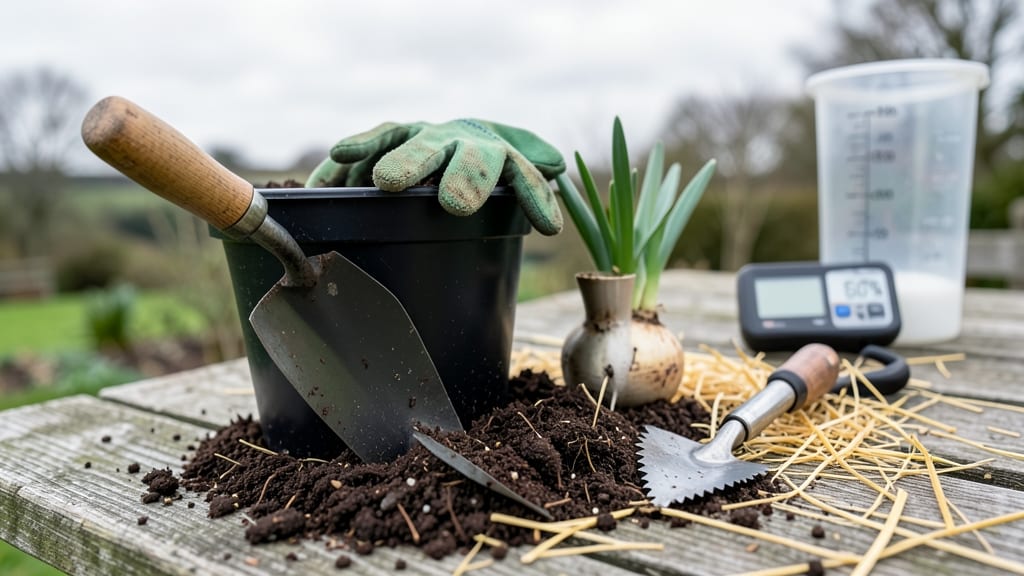
Planting daffodil bulbs in Wisconsin between September and October is the key to unlocking those cheerful spring blooms 🌼—just in time to outshine even the snowiest April days.
Wisconsin’s unpredictable winters can make daffodil planting tricky—but timing it right ensures vibrant spring blooms that outshine even the harshest freeze. If you’ve ever watched your 4a-5b zone garden freeze over too early, you know how critical those 4-6 weeks before ground freeze really are.
The secret? Planting in well-draining soil when temperatures hover around 50°F, giving bulbs time to root before winter sets in. Wisconsin’s clay-heavy soils need extra prep—think compost and sharp drainage—to keep those bulbs happy through the cold months.
Below, I’ll walk you through the exact months, soil tweaks, and spacing tricks to guarantee your daffodils burst through the snow like clockwork—no guesswork, just reliable spring color.
Best months to plant daffodil bulbs in Wisconsin (chill Zone 3-4 guide)
Wisconsin’s cool fall days and frosty winters create the perfect conditions for daffodils to thrive—but timing is everything. Planting too early or late can leave bulbs vulnerable to rot or frost damage.
The ideal planting window in Wisconsin’s USDA Zones 3-4 is late September through October, when soil temperatures drop below 60°F but before the ground freezes solid.
Daffodils need 6-8 weeks of chill time to establish roots before winter dormancy. In Wisconsin, this means aiming for 4-6 weeks before your first hard frost, typically around mid-October.
Missed the deadline? Don’t panic—November planting is still possible if the ground isn’t frozen, though blooms may be slightly delayed the following spring.
Here’s a quick breakdown of Wisconsin’s planting timeline to help you decide:
| Planting Window | Soil Conditions | Wisconsin-Specific Notes | Action Steps |
|---|---|---|---|
| Late August - Early September | Warm, dry soil | Early planting for southern WI (Zone 5) | Plant if soil hasn’t frozen yet |
| September (Best Time) | Cool, moist soil (<60°F) | Optimal for most of WI (Zones 3-4) | Plant 6" deep, 6" apart |
| October (Backup Window) | Cold but unfrozen soil | Works if ground isn’t frozen | Add extra mulch for insulation |
| November (Last Chance) | Frozen soil (not ideal) | Risky in northern WI (Zone 3) | Wait until spring for potted bulbs |
For northern Wisconsin (Zone 3), focus on September planting—typically between September 15 and October 1. The soil should be cool but workable, and bulbs need time to root before the first frost, which can hit as early as October 15 in some areas.
Use a soil thermometer to check—ideal planting temps are between 50°F and 60°F.
If you’re in southern Wisconsin (Zone 4-5), you’ve got a little more flexibility. Early September plantings can work if your soil stays warm but not baking hot. Aim to finish by October 15 to avoid winter heaving (when bulbs push up from freezing/thawing cycles).
In Milwaukee or Madison, this often means late September to early October is prime time.
One Wisconsin-specific tip: If you’re planting in heavy clay soil (common in many areas), amend it with compost or sand to improve drainage. Daffodils hate soggy roots, and Wisconsin’s wet springs can turn clay into a mud pit.
Mix in 1-2 inches of organic matter before planting to give bulbs a head start.
Don’t overlook mulching after planting! Apply a 2-3 inch layer of straw or shredded leaves to insulate bulbs and retain moisture. In Zone 3, this extra protection can mean the difference between frost-heaved bulbs and vibrant spring blooms.
Just make sure to remove mulch in early spring to avoid rot as leaves emerge.
Pro tip: Plant daffodils in clusters of 3-5 bulbs for a fuller look. Space them 6 inches apart and 6 inches deep—this depth helps protect them from voles and early frost.
In Wisconsin, where wildlife like chipmunks and squirrels love digging up bulbs, consider planting in wire mesh cages or under hardy perennials like ferns or hostas.
Missed the fall window? Spring planting is possible in Wisconsin, but blooms may be smaller or delayed. Plant in March or early April as soon as the ground thaws, but be prepared for a less reliable display compared to fall-planted bulbs.
For container gardening, spring planting works well—just use well-draining potting mix and keep pots in a cool, shaded spot until after the last frost.
Remember: Patience is key with daffodils. Even if planted at the last possible moment, they’ll reward you with cheerful spring blooms that signal the end of Wisconsin’s long winter.
With the right timing and a little extra care, your garden will be bursting with golden sunshine by April—no matter how harsh the winter gets. 🌼
How Wisconsin’s soil and climate affect daffodil planting success
Wisconsin’s heavy clay soils and freezing winters create unique challenges for daffodil growers. Unlike sandy soils, clay holds moisture and compacts easily, while frost depth can reach 12-18 inches—critical factors for bulb survival.
Understanding these conditions helps you prep your garden for vibrant spring blooms that thrive despite Wisconsin’s climate quirks.
Daffodils need well-draining soil to prevent bulb rot, especially in Wisconsin’s Zone 3-4 climate. If your yard has compacted clay, amending with organic matter like compost or sand creates pockets for roots to breathe.
For sandy soils, adding peat moss or coconut coir helps retain moisture during Wisconsin’s dry spells.
⚠️ CRITICAL WARNING: Planting daffodils too late in Wisconsin’s fall risks frost damage before roots establish. ⚠️ Key deadlines: Aim for September 15–October 15—4-6 weeks before ground freezes.
If you miss this window, wait until early November but use extra mulch (4-6 inches) to insulate bulbs. Southern Wisconsin (Zone 5) has slightly more flexibility, while Northern Wisconsin (Zone 3) demands earlier planting. ⚠️ Pro tip: Test your soil’s drainage rate—dig a 12-inch hole, fill with water, and time how long it drains.
If it takes more than 6 hours, amend immediately.
Wisconsin’s frost depth varies dramatically—12 inches in Madison but up to 18 inches in Green Bay. Plant daffodil bulbs 6 inches deep in most areas, but adjust to 8 inches deep in northern regions where frost penetrates deeper.
This ensures bulbs stay above the freezing line while allowing roots to spread.
For clay-heavy soils, mix in 3-4 inches of compost or aged manure before planting. This improves soil structure and encourages microbe activity, which breaks down organic matter into nutrients. In sandy soils, blend in 20% peat moss to boost water retention without suffocating roots.
Mulching is non-negotiable in Wisconsin. After planting, apply a 3-inch layer of straw or shredded leaves to protect bulbs from temperature swings and soil heaving.
Remove mulch in early spring (March) to let sunlight warm the soil and trigger blooming. Never use fresh grass clippings—they mat down and trap moisture, inviting rot.
Daffodils in Wisconsin also face vole pressure, which thrives in loose, amended soil. Plant bulbs in wire mesh cages or surround them with castor bean plants (a natural vole deterrent). In urban areas, raised beds with hardware cloth barriers offer extra protection while improving drainage.