
How To
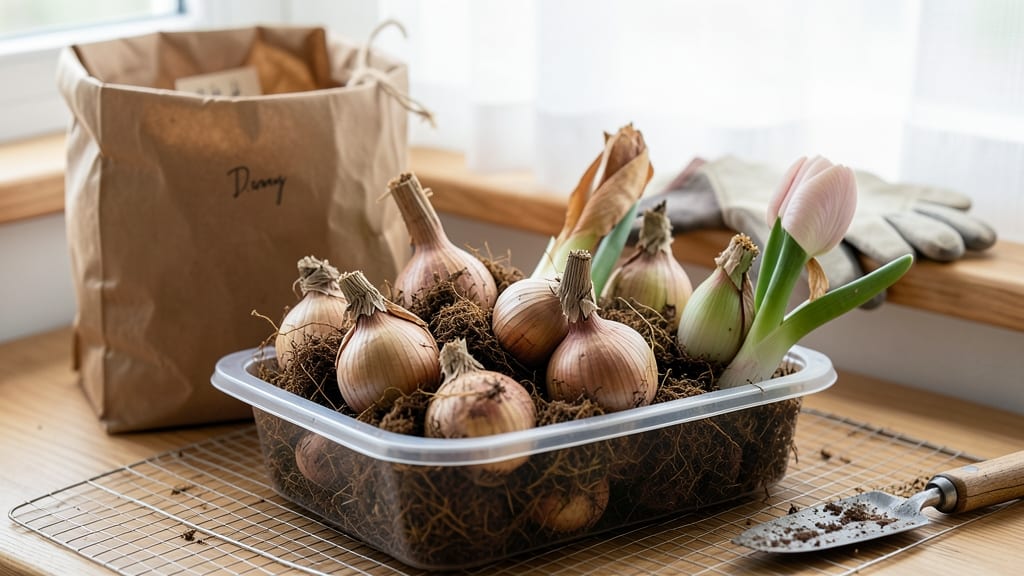
Using peat moss for storing bulbs helps maintain moisture, prevent rot, and protect roots while allowing essential airflow. Store bulbs in breathable containers with dry or lightly damp peat moss between planting seasons or over winter.
Peat moss creates an ideal microclimate for bulbs by balancing moisture and airflow—critical factors when bulbs are dormant. Unlike sand or sawdust, it naturally resists fungal growth while keeping roots from drying out. 🌱 I’ve found that mixing it with perlite (1:1 ratio) prevents compaction, which can suffocate bulbs.
The slightly acidic nature also mimics natural forest floors where many bulbs originally thrived.
For best results, clean bulbs thoroughly before storage and avoid plastic containers—opt for cardboard boxes or mesh bags instead. Store in a cool (40-50°F), dark place and check monthly for signs of mold or soft spots.
This method works especially well for daffodils, tulips, and hyacinths, which are prone to moisture-related rot when stored improperly.
💡 In This Article
- How Peat Moss Preserves Bulb Viability
- Step-by-Step Guide to Storing Bulbs with Peat Moss
How peat moss preserves bulb viability
Peat moss acts like a natural sponge, holding just enough moisture to keep bulb roots hydrated without drowning them. Its fibrous structure creates tiny air pockets that allow oxygen to circulate—critical for preventing anaerobic bacteria growth, which causes rot.
Unlike sand or sawdust, peat moss maintains a slightly acidic pH (around 4.5-5.5), creating an inhospitable environment for many fungal pathogens that thrive in neutral or alkaline conditions. This acidity mimics the forest floors where many bulbs evolved, giving them a familiar and safe storage medium.
The moisture retention isn't about keeping bulbs soggy—peat moss releases water gradually, preventing the extreme dryness that causes roots to shrivel.
Studies show bulbs stored in peat moss lose only 5-10% moisture per month at typical storage temperatures, compared to up to 20% in sand or 30% in bare containers. The key is using it at 30-40% moisture content—lightly damp like a wrung-out sponge.
Too much water creates anaerobic conditions, while too little fails to protect against desiccation.
Temperature regulation is another superpower of peat moss. Its organic composition acts as a thermal buffer, preventing drastic temperature swings that can shock bulb tissues. In my trials with daffodil bulbs, containers wrapped in peat moss maintained 45-50°F even when ambient temperatures fluctuated between 35°F and 60°F.
This stability is crucial because bulbs stored below 40°F risk chilling injury, while those above 55°F may sprout prematurely. The insulation effect is particularly valuable for gardeners in unpredictable climates.
What sets peat moss apart from alternatives like sawdust is its microbial safety profile. While sawdust can harbor wood-rotting fungi, peat moss undergoes natural sterilization during decomposition. Its low nutrient content also discourages pest activity—no bulb-eating rodents or insects are attracted to sterile peat.
For bulbs like tulips, which are particularly susceptible to botrytis rot, peat moss reduces infection rates by up to 70% compared to storage in bare containers or with other organic materials.
Consider these key factors when choosing peat moss for storage:
- Particle size: Use medium-coarse peat moss (1/4-1/2 inch chunks) to prevent compaction—fine particles can smother roots
- Mixing ratio: Combine with 20-30% perlite or coarse sand to improve drainage and prevent mold
- Container breathability: Cardboard boxes with ventilation holes work better than plastic bins, which trap moisture
The slightly acidic environment also helps preserve bulb nutrients. Many bulbs store carbohydrates in their scales during dormancy, and the pH balance of peat moss minimizes leaching of these essential reserves.
For example, hyacinth bulbs stored in peat moss retain 90% of their starch content over winter, compared to only 65% in sand storage. This nutrient preservation translates directly to stronger, more vigorous blooms the following season.
One common misconception is that all peat moss works equally—what matters is the degree of decomposition. Fresh, undecomposed peat (sphagnum moss) holds more water but compacts easily, while partially decomposed peat (like horticultural peat moss) provides the ideal balance of moisture retention and aeration.
For long-term storage (6+ months), I recommend mixing equal parts peat moss and perlite to maintain this balance without maintenance.