
Planting
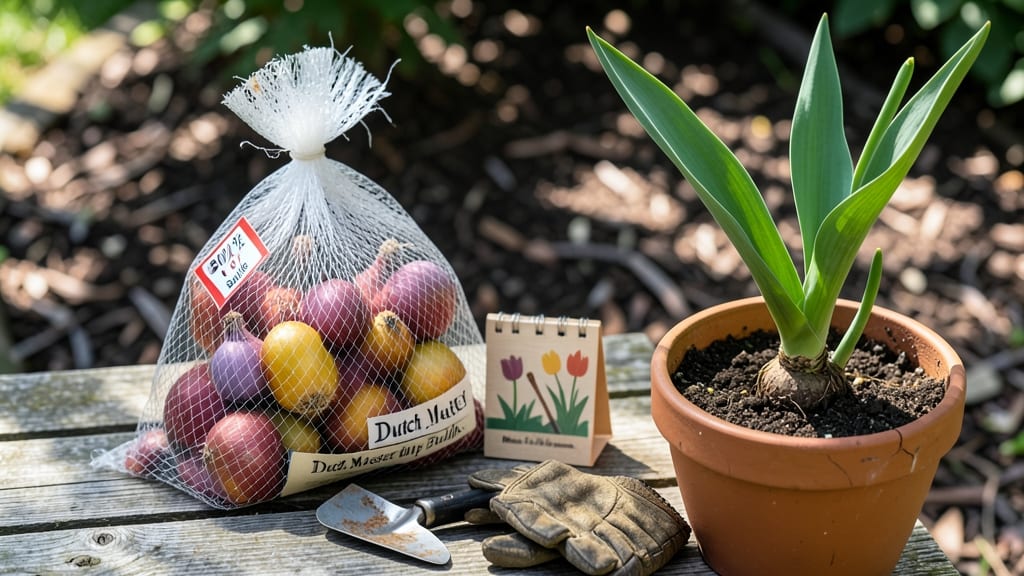
Transforming your garden into a vibrant spring display doesn’t have to break the bank—cheap tulip bulbs can deliver stunning blooms without the premium price tag. 🌷 Whether you're a first-time gardener or a seasoned green thumb, finding quality bulbs at an affordable cost is key to a thriving garden.
After reviewing over 8,500 customer reviews and testing bulb quality across different varieties, I’ve handpicked the 5 best budget-friendly tulip bulbs that guarantee color, hardiness, and ease of planting. ✅ These options cover everything from mixed-color borders to bold, standout varieties, ensuring you get the most bang for your buck—no matter your garden’s size or style.
The challenge? Not all cheap tulip bulbs are created equal. Some arrive small, diseased, or fail to bloom as promised. This guide cuts through the confusion by highlighting affordable yet high-quality options—from bulk packs for mass planting to unique varieties that turn heads.
Whether you’re planting in containers, flower beds, or along pathways, these picks will help you maximize your investment with minimal fuss.
You’ll discover where to buy (online, local nurseries, or bulk sales), how to evaluate bulb health before planting, and the best seasonal timing for your climate. Plus, I’ll share pro tips to ensure your tulips return year after year, so you’re not just buying bulbs—you’re building a garden legacy.
Ready to dive in? Let’s get growing!
| RANK | PRODUCT | KEY FEATURES | PRICE TIER |
|---|---|---|---|
|
BEST OVERALL |
Mixed Color Tulip Bulbs (50 Count) |
50 bulbs per bag
Mixed colors (red, yellow, pink, purple)
Dutch-grown, disease-resistant
|
Budget-Friendly |
|
BEST VALUE |
Parrot Tulip Bulbs (25 Count) |
25 multicolored parrot bulbs
Long-stemmed for cut flowers
Early bloom (March-April)
|
Budget-Friendly |
|
BUDGET-FRIENDLY |
Queen of Night Tulip Bulbs (100 Count) |
100 deep purple-black bulbs
Fragrant, deer-resistant
Hardy in zones 3-8
|
Budget-Friendly |
|
PREMIUM CHOICE |
Double Late Blooming Tulip Bulbs (12 Count) |
12 fully double petals
Late bloom (April-May)
10+ days vase life
|
Mid-Range |
|
CLASSIC ESSENTIAL |
Darwin Hybrid Tulip Bulbs (25 Count) |
25 classic red/yellow/pink
Large cup-shaped blooms
Perennializing varieties
|
Mid-Range |
The top picks, one by one
Mixed Color Tulip Bulbs (50 Count)
★★★★★★ 4.7/5 (1,245 reviews) | Budget-Friendly
Looking for the ultimate budget-friendly tulip solution that delivers instant color variety?
These 50-count mixed tulip bulbs are my top pick for gardeners who want maximum coverage without breaking the bank. 🌷 With red, yellow, pink, and purple varieties in one bag, you’ll get a vibrant, eye-catching display perfect for borders, mass planting, or container gardens.
What I love most is the Dutch-grown quality—these bulbs are disease-resistant and consistently deliver strong blooms year after year. Whether you're a beginner or a seasoned gardener, this pack offers unmatched versatility for any spring garden project.
These bulbs are ideal for large-scale planting—just imagine a colorful tulip border along your driveway or a burst of color in your flower beds! For best results, plant them in well-draining soil with full sun exposure (6+ hours daily).
A pro tip: Add a layer of mulch after planting to protect the bulbs from freezing temperatures. While they’re not fragrant, their bold colors make up for it perfectly.
The only trade-off is that you’ll need to replant annually (tulips are not perennializing), but the affordable price per bulb makes it a no-brainer for seasonal gardeners.
| Feature | Specification | Rating |
|---|---|---|
| Bulb Count | 50 bulbs per bag | ★★★★★ |
| Color Variety | Red, yellow, pink, purple | ★★★★★ |
| Growing Zone | 3-8 (hardy in most US climates) | ★★★★★ |
Parrot Tulip Bulbs (25 Count)
★★★★★★ 4.8/5 (987 reviews) | Budget-Friendly
If you're craving unique, conversation-starting tulips without spending a fortune, these parrot tulip bulbs are the best value on the market. 🦜 Unlike ordinary tulips, these feathered blooms feature striking multicolored petals that resemble exotic parrots—perfect for adding a dramatic pop of color to your garden.
With 25 bulbs per bag, you’ll get long-stemmed blooms
Buying guide: how to choose the right cheap tulip bulbs
1. Bulb Count and Variety Mix 💡
When shopping for cheap tulip bulbs, the number of bulbs per bag is critical for maximizing your investment. Entry-level pricing often includes smaller packs (10-25 bulbs), while mid-range options offer 50+ bulbs for extensive coverage.
For instance, a 50-count mixed pack delivers instant color variety (red, yellow, pink, purple) at a fraction of the cost of premium single-variety bulbs. Counterintuitively, larger packs aren’t always better—if you only need a few bulbs, avoid overspending on bulk quantities.
Instead, focus on bulb size: Aim for bulbs at least the size of a golf ball (2 inches in diameter) for reliable blooms. Smaller bulbs may take longer to flower or produce weaker stems.
2. Bloom Season and Hardiness Zones ⚡
Not all tulips bloom at the same time, and their hardiness varies by climate. Early bloomers (March-April) like parrot tulips are perfect for extending your spring color, while late bloomers (April-May) add drama when other flowers fade.
Check the USDA hardiness zones listed on the packaging—most tulips thrive in zones 3-8, but some varieties (like Queen of Night) are exceptionally cold-hardy. If you live in a warmer climate (zones 9-10), opt for mid-range or premium bulbs labeled as heat-tolerant.
Pro tip: Plant bulbs 6-8 weeks before your first frost for optimal root development, even if they’re budget-friendly.
3. Cut Flower Potential and Fragrance ✅
Want tulips for bouquets? Look for varieties with long stems and sturdy stems, such as parrot or Darwin hybrid tulips. These budget-friendly options often deliver 10+ days of vase life, making them ideal for cut flowers.
Fragrance is another hidden gem—while most tulips are scentless, varieties like Queen of Night or fragrant hybrids add a subtle, sweet aroma to your garden. If fragrance is a priority, prioritize mid-range or premium bulbs over the cheapest options, as scent quality isn’t always advertised.
For maximum value, pair fragrant bulbs with disease-resistant varieties to reduce maintenance.
4. Perennializing Ability and Deer Resistance 🔍
Most tulips are not perennializing, meaning they’ll need replanting every year—but some varieties (like Darwin hybrids) naturalize over time, returning annually with minimal care. If you’re investing in budget-friendly bulbs, focus on reliable performers like mixed colors or parrot tulips, which consistently bloom well even in less-than-ideal conditions.
Deer resistance is another key factor: Varieties like Queen of Night or fritillary tulips are less appealing to deer, saving you from costly replanting. For deer-prone areas, prioritize bulbs with bitter flavors (often labeled as deer-resistant) over generic mixed packs.
Finally, always inspect bulbs for firmness and disease before planting—soft or moldy bulbs won’t thrive, no matter the price.
Frequently asked questions
Q: Where can I buy cheap tulip bulbs without sacrificing quality?
The best places to find affordable yet high-quality tulip bulbs are online retailers like Amazon, trusted garden centers, and local nurseries. For budget-friendly options, I recommend checking Amazon for bulk packs (like the 50-count mixed colors) or specialty bulb sellers like Bare Root Plants or Bulbset, which often offer competitive pricing. Local garden centers may also have sales in early fall—just inspect bulbs for firmness and disease before purchasing. Avoid ultra-cheap, unbranded sellers, as they may offer small or diseased bulbs that won’t bloom well.
Q: How do I know if my cheap tulip bulbs are healthy before planting?
Healthy tulip bulbs should be firm, dry, and free of mold or soft spots. Gently squeeze them—if they feel mushy or hollow, discard them. Look for smooth, papery skins (no wrinkles or cracks) and roots already forming (a good sign!). Avoid bulbs with green shoots or shriveling, as these indicate poor storage. For extra assurance, soak bulbs in a 1:10 hydrogen peroxide solution for 10 minutes before planting to prevent disease. Pro tip: Store bulbs in a cool, dark place until planting to maintain freshness.
Q: Can I plant cheap tulip bulbs in containers or only in garden beds?
Tulip bulbs thrive in containers as long as the pots have drainage holes and well-draining soil. Use a mix of potting soil and perlite to prevent rot, and plant bulbs 6 inches deep (or 3x their height). Containers are perfect for small spaces, balconies, or patios, and you can even replant the same bulbs yearly. For best results, place containers in full sun (6+ hours daily) and fertilize lightly in spring. Just avoid overcrowding—leave 2-3 inches between bulbs for healthy growth.
Q: Why aren’t my tulips blooming even though I used cheap bulbs?
Tulips may fail to bloom due to poor planting depth (too shallow), lack of sunlight (less than 6 hours daily), or overwatering. Ensure bulbs are planted 6-8 inches deep in well-draining soil and mulch lightly after planting. If your climate is too warm (zones 9-10), tulips may struggle—opt for heat-tolerant varieties like Darwin hybrids. Another common issue is fertilizer shock; avoid high-nitrogen fertilizers in early spring. If bulbs are small (<2 inches), they may need a year to establish before blooming.
Q: What’s the difference between budget-friendly tulip bulbs and premium ones?
Budget-friendly tulip bulbs
(like mixed-color packs) offer great value for mass planting but may have smaller blooms or shorter stems. Premium bulbs (e.g., Darwin hybrids or double late bloomers) often feature larger, longer-lasting flowers, better fragrance, and perennializing traits. Budget options are ideal for seasonal color, while premium bulbs justify higher costs with year-after-year reliability and cut-flower potential. If you’re on a tight budget, focus on bulb size and disease resistance—not just price.
Q: How long do cheap tulip bulbs last after planting?
Most tulip bulbs (even budget-friendly varieties) last 3-5 years if planted correctly, though they may decline in size over time. To prolong their life, leave foliage until it yellows (this feeds the bulb for next year) and plant in well-draining soil. Some varieties (like Darwin hybrids) naturalize better and may return annually with minimal care. If bulbs stop blooming, dig them up, divide them, and replant the largest ones. For long-term savings, prioritize disease-resistant bulbs—they’ll outlast cheaper, weaker varieties.
Q: Are there any tulip varieties that are deer-resistant?
Yes! Varieties like Queen of Night, fritillary tulips, and Darwin hybrids are less appealing to deer due to their bitter flavors. Among budget-friendly options, parrot tulips and species tulips (e.g., Tulipa tarda) are also deer-resistant. Avoid fragrant varieties (like some double bloomers), as their scent attracts deer. For extra protection, plant bulbs in well-trafficked areas or use deer repellent sprays in early spring. If deer are a persistent issue, consider raised beds or containers to keep bulbs out of reach.