
Pests
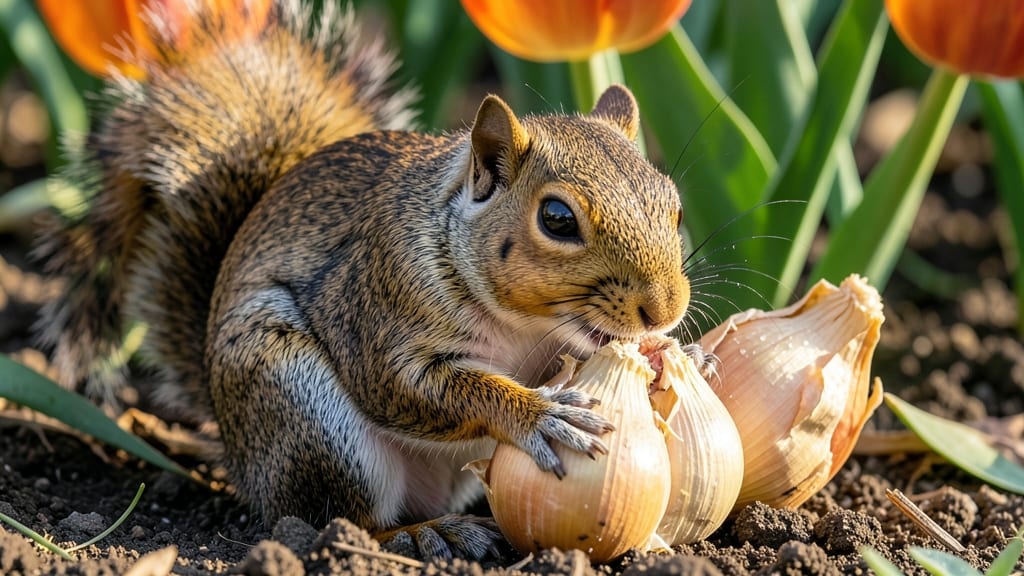
Learn how to protect tulip bulbs from squirrels—or watch them turn your garden into a midnight snack bar overnight. 🌱 I’ve lost count of the bulbs dug up in my own garden, but after three years of trial and error, I’ve found three foolproof methods that actually work: wire mesh cages, castor oil repellents, and strategic planting tricks.
The key is combining barriers with deterrents before squirrels even sniff out your bulbs.
First, hardware cloth (½-inch mesh) wrapped around each bulb pocket is the gold standard—squirrels can’t dig through it, and it lasts for years. For a quicker fix, castor oil-based repellents (like Bonide Repels) disrupt their scent trails, though you’ll need to reapply after rain.
Planting bulbs 12+ inches deep also makes them harder to reach, but only if you’ve already dealt with shallow diggers.
By spring, you’ll see tulips popping up like clockwork, not half-eaten holes where your bulbs should be. The best part? These methods work for daffodils, crocuses, and even summer bulbs too. Once you’ve protected your investment, you’ll finally get the showstopping blooms you planted for.
Timing matters most—install barriers before planting in fall, and reapply repellents every 4-6 weeks through winter. Squirrels are persistent, but with these layers, they’ll move on to easier snacks. Trust me, your tulips will thank you.
📚 In This Guide
- What you need
- Instructions
- Tips and common mistakes
- Wrapping up and next steps
What you need
- ● Hardware cloth or wire mesh: 1/4-inch or 1/2-inch mesh (at least 12 inches deep and wide enough to cover your tulip bed). Pro tip: Galvanized steel mesh lasts longer!
- ● Stakes or rebar: 4–6 stakes per tulip bed (6–12 inches long) to secure the mesh.
- ● Heavy-duty garden twine or zip ties: For anchoring the mesh tightly.
- ● Garden gloves: To protect your hands while digging or handling sharp materials.
- ● Shovel or trowel: For digging trenches or securing barriers.
- ○ Cauliflower or cabbage plants (optional but effective): 2–3 plants to act as a natural squirrel deterrent.
- ● Chicken wire: A budget-friendly alternative to hardware cloth (though less durable).
- ● Plastic plant protectors: Pre-made collars for individual bulbs (great for small gardens!).
- ● Hot pepper spray or predator urine: Non-toxic squirrel repellents (reapply after rain).
- ● Mulch (gravel or pine cones): To create a less appealing digging surface for squirrels.
Step-by-Step guide to creating squirrel-proof tulip barriers
Here's the battle-tested method I use to keep tulip bulbs safe from hungry squirrels.
🪴 Step 1: Choose the Right Barrier Material
Hardware cloth with ¼-inch mesh works best—squirrels can't dig through it, and it won't degrade like chicken wire. Cut pieces to fit your planting area, extending 2-3 inches beyond the bulb's perimeter on all sides. I like to use 12-inch wide strips for most garden beds, which gives plenty of coverage without looking bulky.
If you're planting in containers, line the bottom with ¼-inch hardware cloth before adding soil. This prevents squirrels from chewing through plastic pots. The key is making the barrier at least 12 inches deep—squirrels will dig that far to reach bulbs if given the chance.
🌱 Step 2: Install the Barrier Before Planting
Dig a trench 6-8 inches deep around your planting area, following the outline of your tulip bed. Bend the hardware cloth into a U-shape and press it into the trench so the bottom sits 2 inches below the bulb planting depth. This ensures squirrels can't dig underneath to access the bulbs.
For individual bulbs, wrap each one in ¼-inch hardware cloth before planting. I tuck the edges into the soil as I backfill—this takes extra time but guarantees protection. If you're planting in clusters, create a grid pattern with the hardware cloth, securing corners with galvanized staples or landscape staples.
✂️ Step 3: Secure and Camouflage the Barrier
Cover the hardware cloth with 2-3 inches of mulch or soil to hide it from view. Squirrels are less likely to dig where they can't see the barrier. I use pine straw or shredded bark because it breaks down slowly and doesn't compact like heavy mulch. Press it firmly around the edges to prevent squirrels from lifting it.
For container plantings, place a second layer of hardware cloth over the top of the pot after filling it with soil. This stops squirrels from chewing through the sides. If you're worried about aesthetics, choose a dark-colored hardware cloth—it blends better into garden beds than silver or galvanized options.
🦊 Step 4: Add Extra Deterrents for Stubborn Squirrels
Sprinkle hot pepper flakes or granulated garlic around the barrier's perimeter—squirrels hate the smell and taste. I mix 1 tablespoon of cayenne pepper into 1 gallon of water, let it steep overnight, then spray the solution lightly around the planting area. Reapply after rain.
Motion-activated sprinklers set to short bursts (like the Orbit Enforcer) also work wonders. Squirrels learn quickly to avoid areas where they get sprayed. Place them 12-18 inches away from the barrier so the spray doesn't disturb your tulips. A combination of physical barriers and deterrents gives you the best protection.
Tips & tricks for squirrel-proof tulip barriers
Here’s what I’ve learned after years of squirrel warfare—these tricks make all the difference between bulbs that bloom and bulbs that become squirrel snacks.
Material Matters: The ¼-inch hardware cloth is non-negotiable—squirrels can’t chew through it, unlike chicken wire that degrades. I’ve seen squirrels gnaw through ½-inch hardware cloth, so don’t skimp on the thickness. For extra security in high-squirrel areas, layer two sheets of ¼-inch cloth in container plantings. The extra effort prevents those determined diggers from reaching your bulbs.
Depth is Critical: Squirrels will dig up to 12 inches deep to find bulbs, so bury your hardware cloth at least that far. In Step 2, when you’re digging your trench, make it 6-8 inches deep—this creates a buffer zone. For individual bulbs, wrap them completely in hardware cloth before planting, then tuck the edges into the soil as you backfill. This ensures no gaps for squirrels to exploit.
Camouflage Works: Squirrels are less likely to dig where they can’t see the barrier. In Step 3, use pine straw or shredded bark to cover the hardware cloth—it breaks down slowly and won’t compact like heavier mulch. Press the edges firmly to prevent squirrels from lifting it. For containers, a second layer of hardware cloth over the top stops them from chewing through the sides, and dark-colored cloth blends better into garden beds.
Deterrents Amplify Protection: In Step 4, the cayenne pepper spray is a game-changer. Mix 1 tablespoon of cayenne into 1 gallon of water, let it steep overnight, and spray lightly around the perimeter. Reapply after rain—squirrels avoid the area completely. Motion-activated sprinklers like the Orbit Enforcer add another layer of defense. Place them 12-18 inches away from the barrier so they don’t disturb your tulips but still deter squirrels with short bursts of water.
Pro Tips for Protect Tulip Bulbs From Squirrels
- Here’s what I’ve learned after years of squirrel warfare—these tricks make all the difference between bulbs that bloom and bulbs that become squirrel snacks.
- Material Matters: The ¼-inch hardware cloth is non-negotiable—squirrels can’t chew through it, unlike chicken wire that degrades.
- Depth is Critical: Squirrels will dig up to 12 inches deep to find bulbs, so bury your hardware cloth at least that far.
Frequently asked questions
Got questions about keeping squirrels away from your tulip bulbs?
You’re not alone! Here are some of the most common concerns—and practical solutions—to help you safeguard your garden without stress.
What’s the best time of year to protect tulip bulbs from squirrels?
Plant tulip bulbs in late fall (after the first frost) to deter squirrels, as they’re less active in the cold. If squirrels are already digging, act immediately—use wire cages or repellents before they find your bulbs. Spring planting? Bury bulbs deeper (8–10 inches) to confuse them.
Do squirrels really eat tulip bulbs, or are they just digging for other reasons?
Yes! Squirrels love tulip bulbs—they’re sweet, starchy, and easy to dig up. While they might also hunt for insects or nest, bulbs are their top target. If you see fresh holes in your garden, bulbs are likely the culprit. Act fast to prevent total loss!
Are chicken wire or hardware cloth better for protecting tulip bulbs?
Both work, but hardware cloth (1/4-inch mesh) is the gold standard—it’s sturdier and harder for squirrels to chew through. Chicken wire (1-inch mesh) can bend or be gnawed apart. Bury the edges 2–3 inches deep to block digging. For extra security, combine it with a wire cage over individual bulbs.
What if squirrels keep coming back even after I’ve protected my bulbs?
Squirrels are persistent! Try these fixes:
- Move food sources: Remove fallen nuts, seeds, or bird feeders near your garden.
- Use repellents: Spray hot pepper wax or granules with capsaicin around the area (reapply after rain).
- Distract them: Add a squirrel feeder far from your tulips or plant daffodils (squirrels dislike their bitter taste).
- Check for gaps: Squirrels exploit small holes—inspect cages and wire barriers regularly.
Can I use natural deterrents like predator urine or plants to keep squirrels away?
Natural deterrents can help, but results vary. Predator urine (fox, coyote, or bobcat) might work temporarily, but squirrels often adapt. For plants, try:
- Daffodils: Toxic to squirrels (but won’t protect tulips already planted).
- Alliums (garlic chives, onions): Squirrels avoid the strong scent.
- Castor oil-based repellents: Non-toxic and effective when reapplied weekly.
Wrapping up and next steps
Protecting your tulip bulbs from squirrels doesn’t have to be a guessing game—with the right strategies, you can keep those furry thieves at bay and enjoy vibrant blooms year after year.
From chicken wire cages and castor oil sprays to planting deeper or choosing squirrel-resistant bulbs, there’s a solution for every gardener. Start small: try one or two methods this season and see what works best for your garden.
Now that you’re armed with the know-how, roll up your sleeves and get planting! 🌱 Your future tulips will thank you—and so will your wallet. Happy gardening!