
Pruning
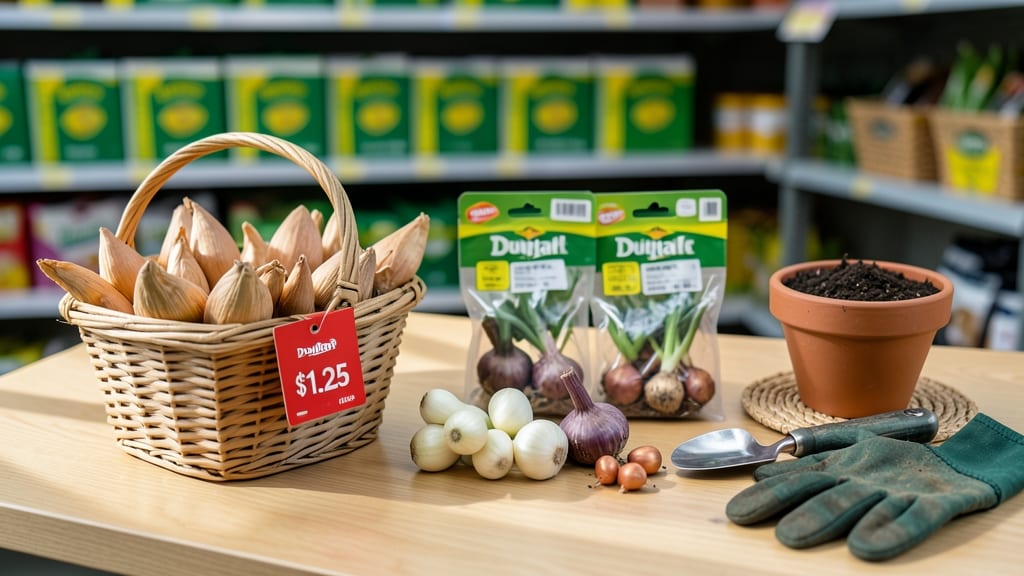
Buying Dollar Tree bulbs for your spring garden means stunning blooms without breaking the bank—just don’t let the price fool you into thinking they’re second-rate. 🌱 I’ve planted these budget-friendly beauties for years, and with the right care, they outperform pricier bulbs every time.
The trick isn’t just what you buy, but when and how you plant them.
Start by choosing firm, dry bulbs with no soft spots or sprouts—these are your best bet for strong roots. Stock up in late summer or early fall for spring bloomers like tulips and daffodils, or grab summer bulbs (like dahlias) in early spring.
A $1 bag of bulbs can yield 20-30 plants, turning a small budget into a big impact.
Plant them deep enough (twice the bulb’s height) in well-draining soil, and watch them multiply over time. With proper spacing and a little patience, you’ll get bigger, bolder blooms year after year—plus, you can dig up extras to share or replant.
The secret? Treating them like the high-end bulbs they can become.
Works for borders, pots, or even under trees—just adjust planting depth for shade. Here’s how to make every penny count in your garden!
📚 In This Guide
- What you need
- Instructions
- Tips and common mistakes
- Wrapping up and next steps
What you need
- ● Dollar Tree bulbs: 10–20 bags (depending on variety—think tulips, daffodils, or hyacinths!)
- ● Garden soil: 1–2 bags of high-quality potting mix or compost-enriched soil (50 lbs recommended)
- ● Garden gloves: 1 pair (to keep hands clean and protected)
- ● Hand trowel: 1 (for digging small holes, 6–8 inches deep)
- ● Watering can or hose: 1 (with a gentle spray nozzle)
- ○ Mulch (optional but helpful): Straw or shredded bark (1–2 bags)
- ● Bulb fertilizer (slow-release, like 10-10-10) for extra bloom power
- ● Garden markers (to label varieties and track growth)
- ● Knee pad or small stool (for comfort during planting)
- ● Pruning shears (for trimming foliage post-bloom)
Step-by-Step guide to planting Dollar Tree bulbs for a stunning spring garden
Here's how to turn those $1 bulbs into a showstopping spring display—no fancy tools needed.
🌱 Step 1: Choose and Prep Your Bulbs
First, sort through your Dollar Tree bulbs and select the firmest, healthiest ones. Discard any that feel soft, moldy, or have sprouts already emerging—they won’t thrive. I like to soak the bulbs in a lukewarm water and mild soap mixture for 10 minutes to remove any dirt or fungal spores clinging to their surfaces. Rinse thoroughly afterward and let them dry completely on a towel for 1-2 hours before planting.
This step is crucial because clean bulbs resist rot and disease better. If you’re planting in cold climates, hold off until after the last frost date—most Dollar Tree bulbs (like tulips and daffodils) need 6-8 weeks of cold dormancy before they’ll bloom reliably. Mark your calendar now so you don’t miss the window!
🪴 Step 2: Pick the Right Spot and Dig
Dollar Tree bulbs love full sun to partial shade (at least 6 hours of sunlight daily), but they’ll tolerate some shade if your summers are scorching. Avoid low-lying areas where water pools—bulbs rot in soggy soil. I dig a hole twice as deep as the bulb’s height (so a 6-inch bulb gets planted 12 inches deep) and 6 inches apart for smaller bulbs like crocuses, or 12 inches apart for larger ones like tulips.
Loosen the soil at the bottom of the hole with a trowel or your fingers—this helps roots spread easily. If your soil is heavy clay, mix in a handful of sand or compost to improve drainage. The goal is to mimic the bulb’s natural environment, where roots can grow freely without struggling.
💧 Step 3: Plant and Water for Success
Place the bulb in the hole with the pointy end facing up—this ensures it grows correctly. Cover it with soil, pressing down gently to remove air pockets. For a natural look, I like to mound soil slightly higher than the surrounding garden, then water deeply until the soil 1 inch below the surface feels moist. This encourages roots to grow downward first.
After planting, water once a week unless rain provides moisture. Overwatering now can cause bulbs to rot before they’ve had a chance to establish roots. If you’re planting in fall, skip the watering until snowfall or freezing temps arrive—this mimics winter’s natural dormancy period.
☀️ Step 4: Mulch and Protect for Winter
Spread a 2-3 inch layer of mulch (like straw or shredded leaves) over the planted area to insulate bulbs from freezing temps and prevent soil heaving during freeze-thaw cycles. I avoid thick mulch in early spring, as it can trap too much moisture—wait until spring blooms appear before adding more.
In early spring, when shoots emerge, remove any dead foliage from last year (if applicable) and water lightly to encourage blooming. Dollar Tree bulbs may not be as robust as nursery varieties, but with this care, they’ll still deliver bold color and volume—often surprising even seasoned gardeners!
⏰ Step 5: Enjoy and Plan for Next Year
Once blooms fade, let the foliage die back naturally—this recharges the bulb for next season. I mark the spots with stakes or flags so I don’t accidentally dig them up later. After 6-8 weeks, you can cut back the dead leaves, but leave the bulb in the ground. Many Dollar Tree bulbs (like tulips) multiply over time, giving you free extras for future gardens!
For a bigger display next year, consider planting layers of bulbs—taller ones (like alliums) in back, medium (tulips) in the middle, and low-growing (crocuses) in front. The key is patience: Dollar Tree bulbs may take 2-3 years to reach their full potential, but they’re a steal for the impact they deliver.
Tips & tricks for perfect Dollar Tree bulb planting
Here's what nobody tells you about maximizing those $1 bulbs for a garden that'll wow your neighbors.
Bulb Selection Matters: In Step 1, when sorting through your Dollar Tree bulbs, pay special attention to the weight—heavier bulbs are usually fresher and more likely to thrive. I also check for a papery, dry outer skin; if it feels damp or slimy, skip it. The 10-minute soak in lukewarm soapy water isn't just about cleaning—it helps prevent fungal issues that can ruin your entire batch before they even sprout.
Planting Depth and Spacing: The instructions mention planting twice as deep as the bulb's height, but here's the thing: for smaller bulbs like crocuses, you can actually plant them just 3 inches deep—they won't mind. For larger tulips, stick with the 12-inch depth. When spacing, remember that bulbs will multiply over time, so give them room to grow. If you're planting in rows, stagger them like bricks to create a more natural, layered look.
Soil Prep Secret: In Step 2, when loosening the soil at the bottom of your hole, take it a step further by mixing in a handful of bone meal or composted manure. This gives your bulbs an extra nutrient boost right where their roots will grow. If your soil is particularly poor, you can even create a little "pocket" of rich soil at the bottom of each hole—your bulbs will thank you with bigger, brighter blooms next spring.
Watering Wisdom: The once-a-week watering guideline is perfect, but there's a trick to it: water deeply but infrequently. Instead of light sprinkles, give each planting area about a gallon of water to encourage deep root growth. In fall planting, if you're in a region with unpredictable weather, consider covering your newly planted bulbs with a thick layer of straw mulch (3-4 inches) to protect them from heavy rains that could cause rot before winter sets in.
Pro Tips for Dollar Tree Bulbs
- Here's what nobody tells you about maximizing those $1 bulbs for a garden that'll wow your neighbors.
- Bulb Selection Matters: In Step 1, when sorting through your Dollar Tree bulbs, pay special attention to the weight—heavier bulbs are usually fresher and more likely to thrive.
- Planting Depth and Spacing: The instructions mention planting twice as deep as the bulb's height, but here's the thing: for smaller bulbs like crocuses, you can actually plant them just 3 inches deep—they won't mind.
Frequently asked questions
about Dollar Tree bulbs—because every gardener deserves a little clarity! Here are answers to the most common questions to help you grow confidently.Can Dollar Tree bulbs really grow into full-sized flowers?
While they may be smaller or less premium than specialty stores, Dollar Tree bulbs like tulips, daffodils, and hyacinths are perfectly viable. They might not be heirloom varieties, but they’ll still bloom beautifully with proper care. Just check for firmness, no mold, and healthy roots before planting.
When is the best time to plant Dollar Tree bulbs for spring blooms?
The ideal window is 6–8 weeks before your first hard frost (typically late fall, like October or November in most U.S. zones). For summer-blooming bulbs (e.g., dahlias or cannas), plant in early spring after the soil warms. Pro tip: If you miss the fall deadline, some bulbs (like tulips) can even be planted in early spring, though they may bloom later.
Are Dollar Tree bulbs worth it compared to garden centers?
If you’re on a budget, yes! They’re a fantastic way to fill large garden beds or try new varieties without breaking the bank. For rare or heirloom bulbs, specialty stores may offer better quality—but for common perennials? Dollar Tree bulbs deliver big blooms for small change. Just avoid tropical bulbs (like elephant ears), which often flop at Dollar Tree.
What should I do if my Dollar Tree bulbs sprout but don’t bloom?
Don’t panic! Common causes include:
- Not enough sunlight—most bulbs need 6+ hours of sun daily.
- Over-fertilizing—too much nitrogen = leaves, not flowers. Use a bulb-specific fertilizer lightly.
- Wrong planting depth—dig a hole 3x the bulb’s height (e.g., 6" deep for tulips).
- Missing a dormant period—some bulbs (like tulips) need cold weather to trigger blooms.
Can I plant Dollar Tree bulbs in containers instead of the ground?
Yes! Containers are great for small spaces or renters. Use a well-draining mix (add perlite or sand) and a pot with drainage holes. Group 3–5 bulbs together for a fuller look. Just ensure the container is at least 6" deep (deeper for larger bulbs like dahlias). Bonus: You can even grow them indoors near a sunny window for early spring color!
Wrapping up and next steps
Transforming your garden on a budget doesn’t mean sacrificing beauty—Dollar Tree bulbs prove you can get stunning results without breaking the bank! 🌸 From vibrant tulips to cheerful daffodils, these affordable gems let you experiment with color and variety while keeping costs low.
Whether you’re a pruning pro or a green-thumb beginner, now’s the perfect time to dig in and create a spring spectacle that’ll make your neighbors green with envy.
Ready to turn your vision into reality? Grab those bulbs, roll up your sleeves, and start planting! Your future garden (and wallet) will thank you. 🌱✨