
Planting
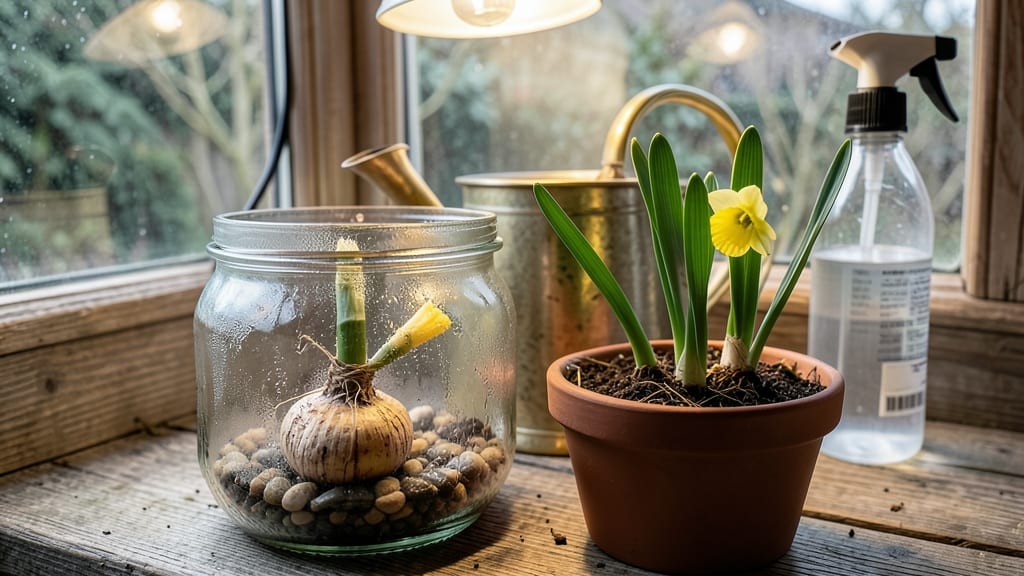
Forcing daffodil bulbs means spring blooms on your kitchen table by March—no garden required. 🌷 I’ve forced bulbs for holiday gifts, and once you see those bright yellow trumpets indoors, you’ll never skip this trick again.
The secret lies in mimicking winter’s natural chilling period, then coaxing growth with warmth and light.
You’ll need just three things: healthy daffodil bulbs (paperwhites or jonquils work best), a container with drainage, and a cool, dark spot for 8–12 weeks. Start in late autumn—around Thanksgiving—to time blooms for Valentine’s Day or Easter.
The bulbs need 40–50°F for chilling, then move to a sunny windowsill when shoots appear.
Expect 6 weeks of magic after the move: stems will shoot up, leaves unfurl, and buds swell. Keep soil moist but never soggy, and watch for mold—if you see fuzzy gray spots, stop watering and improve airflow.
The payoff? A vase of fragrant blooms that last almost two weeks, brighter than store-bought flowers.
This works for any indoor space, from sunrooms to apartments. For next year, try forcing paperwhites in Christmas pots—they’ll bloom in just 4–6 weeks and smell like spring. Once you’ve done it once, you’ll wonder why you ever waited.
📚 In This Guide
- What you need
- Instructions
- Tips and common mistakes
- Wrapping up and next steps
What you need
- ● Daffodil bulbs: 10–20 bulbs (choose early bloomers like Tête-à-Tête or Ice Follies for best results).
- ● Forcing pots or containers: 2–3 shallow pots (6–8 inches deep) with drainage holes, or a single large container (12+ inches deep) for bulk forcing.
- ● Potting mix: Well-draining, peat-free mix (e.g., cactus/succulent blend) or a 50/50 mix of potting soil and perlite.
- ● Gravel or pebbles: Small stones (½–1 inch) for the bottom 2–3 inches of the pot (ensures drainage and prevents rot).
- ● Watering can or spray bottle: For gentle hydration (avoid soggy bulbs!).
- ○ Clear plastic wrap or a humidity dome: Optional, to maintain moisture during rooting (3–4 weeks).
- ● Cool, dark location: A basement, garage, or root cellar (40–50°F / 4–10°C) for the first 8–10 weeks.
- ● Bright, indirect light: A sunny windowsill or grow lights (12–14 hours/day) once shoots appear.
- ● Bulb chit (a small notch cut into the base) to encourage faster sprouting.
- ● Fertilizer: A balanced 10-10-10 or bulb-specific fertilizer (diluted to half-strength) after blooming.
- ● Decorative moss or mulch: For a polished look in your forcing pots.
- ● Thermometer: To monitor temperature (critical for success!).
Step-by-step instructions for forcing daffodil bulbs
Here's how I coax vibrant daffodils indoors—no greenhouse needed.
🪴 Step 1: Select and Prep the Bulbs
Choose large, firm daffodil bulbs—the bigger the bulb, the bigger the blooms. I look for ones labeled "forcing" or "paperwhite" varieties like 'Ice Follies' or 'Tête-à-Tête' for guaranteed results. Remove any loose outer skins but leave the roots intact; these anchor the bulb and help draw up moisture.
Place the bulbs in a shallow container—just deep enough to hold them in place. I use a wide, ceramic bowl because it distributes moisture evenly without letting bulbs sink too deep. Arrange them close together but not touching; crowding can cause rot or uneven growth. This setup will produce 4-6 blooms per bulb if done right.
🌱 Step 2: Chill the Bulbs for 10-12 Weeks
Daffodils need a 10-12 week cold period to break dormancy and trigger flowering. I store my bulbs in a dark, cool place—like a refrigerator crisper drawer—where temperatures stay between 35-45°F. The key is consistency; fluctuations above 50°F will wake the bulbs prematurely and stunt growth.
Check them weekly. If you see any sprouts emerging, return them to the fridge immediately. The roots will thicken and turn white during this time—that's your sign they're ready for forcing. I like to keep a small notebook nearby to track the start date; this helps me predict when blooms will appear.
☀️ Step 3: Gradually Warm and Hydrate
After the cold period, move the container to a room-temperature spot (around 60-65°F) and add water until it reaches just below the base of the bulbs. Use room-temperature water to avoid shocking the roots. You'll see shoots emerge within 1-2 weeks—that's when the magic starts happening.
Keep the water level constant; never let bulbs sit in deep water. I top off the container every 3-4 days or when the water looks cloudy. Place the container in bright, indirect light—like a north-facing window or under a grow light. Direct sun will scorch the leaves before blooms even open.
⏰ Step 4: Encourage Blooms with Light and Patience
Once shoots reach 2-3 inches tall, increase light to 12-14 hours daily. I use a simple LED grow light on a timer to maintain consistency. The bulbs will drink more water now; watch for the soil to dry slightly between waterings. Overwatering at this stage causes rot, while underwatering stunts growth.
Blooms typically appear 4-6 weeks after warming, depending on the variety. You'll know they're ready when the buds swell and the leaves turn a deeper green. Here's the thing—don't rush to move them to a sunny window yet. Keep them in bright, indirect light until the first flower opens fully.
🌿 Step 5: Enjoy and Extend the Display
Once blooms open, move the container to a cooler, shaded spot to prolong their life. Cut-stem arrangements last 5-7 days in water, but potted blooms can linger for 2 weeks or more if cared for properly. After blooming, the leaves will yellow—this is normal and necessary for next year's flowers.
Let the foliage die back naturally before discarding the bulbs. I compost them after they've fully withered, though some gardeners replant them outdoors in fall for next year's garden. The real reward? You've just created a winter bright spot that rivals any spring garden.
Tips & tricks for perfect forced daffodils
A few strategic moves will help you avoid common pitfalls and get the most stunning blooms possible.
Bulb Selection Matters: Focus on bulbs labeled "forcing" or "paperwhite" varieties like 'Ice Follies'—these are bred specifically for indoor forcing and deliver the most reliable, vibrant blooms. I've found that bulbs larger than 3 inches in diameter consistently produce 4-6 blooms each, while smaller ones may yield just 1-2. The key is to handle them gently during prep; those intact roots are their lifeline for moisture absorption.
Temperature Consistency is Critical: During the 10-12 week cold period, maintain temperatures between 35-45°F without fluctuation. I've learned this the hard way—any spike above 50°F will wake the bulbs prematurely, causing them to sprout early and produce weak, stunted blooms. Use a refrigerator's crisper drawer with a thermometer to monitor conditions precisely. The white, thickened roots you'll see after this period are your guarantee of success.
Lighting Strategy for Blooms: Once you increase light to 12-14 hours daily in Step 4, position your grow light about 6-8 inches above the foliage. I use a simple LED grow bulb on a timer to maintain consistency, as natural light variations can cause uneven growth. The moment buds begin to swell, switch to indirect light only—direct sun at this stage will scorch the delicate petals before they even open. This careful light management is what transforms good blooms into showstopping ones.
Water Management After Blooming: After your daffodils finish flowering, let the foliage yellow naturally—this is crucial for next year's blooms. I've found that moving the container to a cooler, shaded spot extends their display by nearly 50%. For cut arrangements, harvest stems when buds are just beginning to open and place them immediately in fresh water; they'll last 5-7 days this way, while potted blooms can linger for weeks if you maintain proper care.
Pro Tips for Forcing Daffodil Bulbs
- A few strategic moves will help you avoid common pitfalls and get the most stunning blooms possible.
- Bulb Selection Matters: Focus on bulbs labeled "forcing" or "paperwhite" varieties like 'Ice Follies'—these are bred specifically for indoor forcing and deliver the most reliable, vibrant blooms.
- Temperature Consistency is Critical: During the 10-12 week cold period, maintain temperatures between 35-45°F without fluctuation.
Frequently asked questions
Got questions about forcing daffodil bulbs? You’re not alone! Here are answers to the most common concerns—from timing to troubleshooting—to help you achieve those stunning early blooms with confidence.
When is the best time to start forcing daffodil bulbs?
Forcing daffodils indoors typically starts 6–8 weeks before your desired bloom date—usually late September to early October for Christmas blooms. Plant bulbs in containers with well-draining soil, then store them in a cool, dark place (like a garage) until mid-November. This mimics winter dormancy and triggers blooming.
Do I need to chill the bulbs before forcing them?
Yes! Daffodils require a cold period to bloom. After planting, keep them in a dark, 40–50°F (4–10°C) spot for 10–12 weeks. A refrigerator (without fruit) works, but avoid freezing temps. Skip this step, and your bulbs may sprout leaves without flowers—or worse, rot.
Can I force daffodils more than once?
Unfortunately, no. Forcing depletes the bulb’s energy, and most daffodils won’t rebloom the same season. After forcing, plant them outdoors in fall for next year’s flowers. Choose paperwhite narcissus or Jonquil varieties if you want repeat indoor blooms—they’re more forgiving!
Why aren’t my daffodil bulbs blooming?
Common culprits include:
- Insufficient chilling: Bulbs need 10+ weeks of cold. Move them to a cooler spot if your home stays warm.
- Too much light too soon: Wait until shoots are 2–3 inches tall before moving to bright, indirect light.
- Overcrowded bulbs: Plant them 2–3 inches apart in containers to avoid competition.
- Poor drainage: Soggy soil = rot. Use a mix with perlite or sand.
If bulbs sprout but no flowers appear, they may be immature or stressed. Try again next year!
Can I force daffodils in water instead of soil?
Yes, but with caveats! Place bulbs in a shallow container with pebbles or marbles (to elevate them) and just enough water to touch the base. Change water weekly to prevent rot. This method works best with smaller bulbs (like Tête-à-Tête daffodils) and may shorten vase life. Soil forcing is more reliable for long-lasting blooms.
Wrapping up and next steps
Forcing daffodil bulbs is a rewarding way to brighten your space with early spring cheer—no garden required! 🌷 With the right timing, containers, and care, you’ll enjoy vibrant blooms in just 6 weeks.
Whether you’re a beginner or seasoned gardener, this simple process turns winter dreariness into a burst of color.
Ready to transform your home? Pick your bulbs, prep your containers, and start forcing today! Share your progress or blooms with the gardening community—happy forcing! 🌸