
Planting
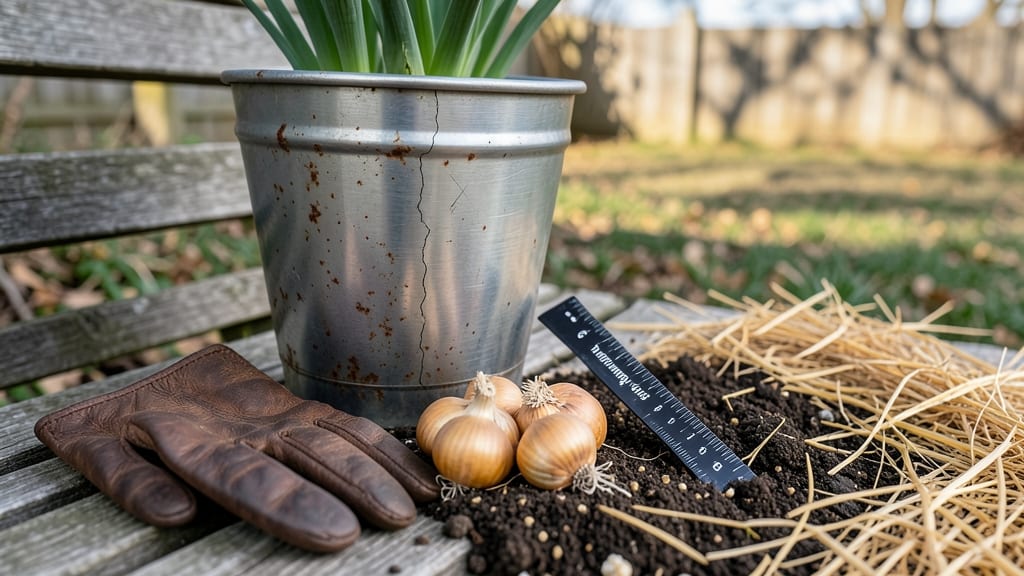
Planting daffodil bulbs in the ground is the easiest way to guarantee spring color year after year—no fuss, no failures. 🌱 I’ve been doing this for over a decade, and my yard now bursts with cheerful yellow trumpets every March, even after heavy frosts.
The secret isn’t complicated: it’s all about timing, soil, and a little patience. You only need three things: daffodil bulbs (the bigger, the better), a shovel or bulb planter, and a sunny spot with well-draining soil. Skip the fancy tools—your hands and a basic garden fork work just fine.
Plant them in fall (6-8 weeks before the first hard frost), and they’ll handle winter like pros, waking up in spring ready to bloom. What you’ll end up with is a low-maintenance garden that multiplies over time.
The bulbs naturalize, sending up new shoots each year with almost no effort from you. Just water them occasionally after planting, and they’ll reward you with bold, frost-resistant blooms that outshine store-bought flowers. Works in full sun to partial shade, even in small spaces like borders or containers.
Here’s how to do it right the first time—no green thumbs required!
📚 In This Guide
- What you need
- Instructions
- Tips and common mistakes
- Wrapping up and next steps
What you need
- ● Daffodil bulbs: Choose healthy, firm bulbs (size varies by variety—typically 4"-6" in diameter for standard blooms). Aim for 10-20 bulbs per 10 sq. ft. for a lush display.
- ● Garden trowel or bulb planter: A 5-6" wide trowel works best for digging precise holes.
- ○ Compost or well-aged manure: Mix 1-2 cups per hole to enrich the soil (optional but highly recommended!).
- ● Garden gloves: Protect your hands from dirt and sharp bulb edges.
- ● Watering can or hose with a gentle spray nozzle: Keep water pressure low to avoid displacing bulbs.
- ● Mulch (straw, shredded leaves, or pine needles): Apply a 2-3" layer after planting to retain moisture and insulate bulbs.
- ● Bulb fertilizer: A low-nitrogen, high-phosphorus formula (like 5-10-10) to encourage root growth. Sprinkle lightly around the planting area.
- ● Soil tester kit: Check your soil’s pH (daffodils prefer 6.0-7.0). Amend with lime or sulfur if needed.
- ● Planting grid or string: For large areas, mark rows 4-6" apart to keep bulbs evenly spaced.
- ● Pest deterrents: Copper tape or bulb-specific repellent to ward off squirrels and rodents (they love daffodil bulbs!).
Step-by-step instructions for planting daffodil bulbs
Here's the straightforward method I use every fall—no fuss, just reliable spring blooms.
🌱 Step 1: Choose the Right Location and Timing
Daffodils thrive in full sun to partial shade, so pick a spot that gets at least 4-6 hours of sunlight daily. They tolerate a range of soil types but prefer well-draining soil—avoid low spots where water pools after rain. I always plant mine in late fall, about 6-8 weeks before the first hard frost.
This timing gives roots time to establish before winter dormancy. If you miss the window, you can plant in early spring, but blooms may be delayed or smaller. Test your soil's drainage by digging a hole, filling it with water, and checking if it drains within an hour. If not, amend with compost or sand.
🪴 Step 2: Prepare the Soil and Plant the Bulbs
Loosen the soil to a depth of 12 inches with a garden fork or trowel. Mix in 2-3 inches of compost to improve fertility and drainage. Daffodil bulbs need to be planted 6-8 inches deep, with the pointy end facing upward. I use a bulb planter or my thumb to make holes—just deep enough so the bulb sits at the right depth.
Space bulbs 4-6 inches apart in rows 12 inches apart for easy maintenance. If you're planting in clusters, arrange them in odd-numbered groups (3, 5, or 7) for a natural, full look. Gently backfill the hole with soil, pressing lightly to eliminate air pockets but not compacting too tightly.
⏰ Step 3: Water and Protect for Winter
Water the newly planted bulbs thoroughly to settle the soil and encourage root growth. After that, you can reduce watering—daffodils are drought-tolerant once established. I give them a light drink once a month during winter unless we have a dry spell, but they’ll survive with minimal care.
Mulch the area with 2-3 inches of straw or shredded leaves to insulate the bulbs from freezing temperatures and protect them from heaving (when soil freezes and thaws, pushing bulbs to the surface). This step is especially important in colder climates. In spring, the mulch will break down naturally, so you won’t need to remove it.
🌿 Step 4: Encourage Healthy Growth Next Season
Once the foliage appears in spring, resist the urge to cut it back until it turns yellow and withers naturally. This process feeds the bulb for next year’s blooms. I fertilize lightly in early spring with a balanced, slow-release fertilizer (like 10-10-10) to support strong growth without overfeeding.
Daffodils are low-maintenance, but I do remove spent flowers (deadhead) to redirect energy to bulb development. Watch for pests like squirrels or deer—they love digging up bulbs. A simple wire mesh barrier over the bed deters them without harming the plants.
Tips & tricks for planting daffodil bulbs
Took me a while to figure these out, so here goes—simple tricks that'll make all the difference between a few sad blooms and a glorious spring display.
Bulb Selection: Choose firm, plump bulbs without soft spots or mold. The larger the bulb, the bigger your blooms will be next spring. I always sort mine by size before planting—big bulbs in the front for immediate impact, smaller ones in back for layered growth. Look for healthy, papery skins rather than bulbs that feel mushy or have sprouts already growing.
Soil Preparation: That 12-inch depth for loosening soil isn't just about planting depth—it's about creating room for roots to spread. I like to work in extra compost (beyond the 2-3 inches mentioned) if my soil is particularly clay-heavy. For heavy clay soils, mix in a bit of coarse sand or perlite to improve drainage. The key is making sure water can move through the soil easily—daffodils hate soggy feet.
Planting Depth: The 6-8 inch planting depth might seem deep, but it's crucial for winter protection. In colder climates, I actually plant mine closer to 8 inches deep to shield them from extreme temperature swings. Use your thumb as a guide—when you press the bulb into the hole, the top should be about an inch below the soil surface. This keeps them snug but not buried too deeply.
Winter Care: That 2-3 inch mulch layer is your secret weapon against winter damage. In areas with harsh winters, I double up on mulch (4-6 inches) for extra insulation. Avoid using fresh grass clippings or manure as mulch—they can burn the bulbs. Straw or shredded leaves break down slowly and provide consistent protection throughout winter.
Pro Tips for Plant Daffodil Bulbs In The Ground
- Took me a while to figure these out, so here goes—simple tricks that'll make all the difference between a few sad blooms and a glorious spring display.
- Bulb Selection: Choose firm, plump bulbs without soft spots or mold.
- Soil Preparation: That 12-inch depth for loosening soil isn't just about planting depth—it's about creating room for roots to spread.
Frequently asked questions
Got questions about planting daffodil bulbs? You’re not alone! Here are answers to the most common concerns—from timing to troubleshooting—to help you grow a stunning spring display with confidence.
When is the best time to plant daffodil bulbs?
Plant daffodil bulbs in fall, 6–8 weeks before the first hard frost (typically October–November in most U.S. zones). This gives roots time to establish before winter. If you miss fall, you can plant in early winter (until the ground freezes), but spring planting is risky—they may not bloom reliably.
Can I plant daffodil bulbs in winter or spring?
While daffodils are frost-hardy, planting in winter (before freezing) is ideal. Spring planting is possible but not recommended—bulbs need cold exposure to bloom. If you must plant in spring, use pre-chilled bulbs from a nursery or plant them in a shady, moist spot to reduce stress.
How do I protect daffodil bulbs from squirrels or deer?
Squirrels and deer love daffodil bulbs! Scatter bulbs randomly in the garden (they dislike digging through dense plantings). Use chicken wire cages or plant bulbs under shrubs/perennials where pests can’t access them. A light mulch layer (straw or leaves) can also deter digging.
Do daffodils need full sun, and what if my yard is shady?
Daffodils thrive in full sun (6+ hours/day), but they’ll still bloom in partial shade (4–6 hours). In deep shade (<3 hours), blooms may be smaller or sparse. If your yard is shady, choose early-blooming varieties (like ‘Tête-à-Tête’) or plant bulbs near taller plants where they’ll get morning sun.
Why aren’t my daffodils blooming this year?
No blooms? Check these fixes:
- Not enough sunlight: Move to a sunnier spot.
- Overcrowded bulbs: Dig up and separate bulbs every 3–5 years.
- Too much nitrogen: Use a low-nitrogen fertilizer (like 5-10-10).
- No winter chill: Daffodils need 6–8 weeks below 40°F to bloom.
Wrapping up and next steps
Planting daffodil bulbs is a simple yet rewarding way to bring early spring color to your garden—and you’ve got this! 🌱 By following these steps, you’ll ensure vibrant blooms year after year with minimal effort.
Now that you’re armed with the know-how, take the next step: grab those bulbs, pick a sunny spot, and get digging! Your future garden will thank you with cheerful yellows and whites come spring.