
Planting
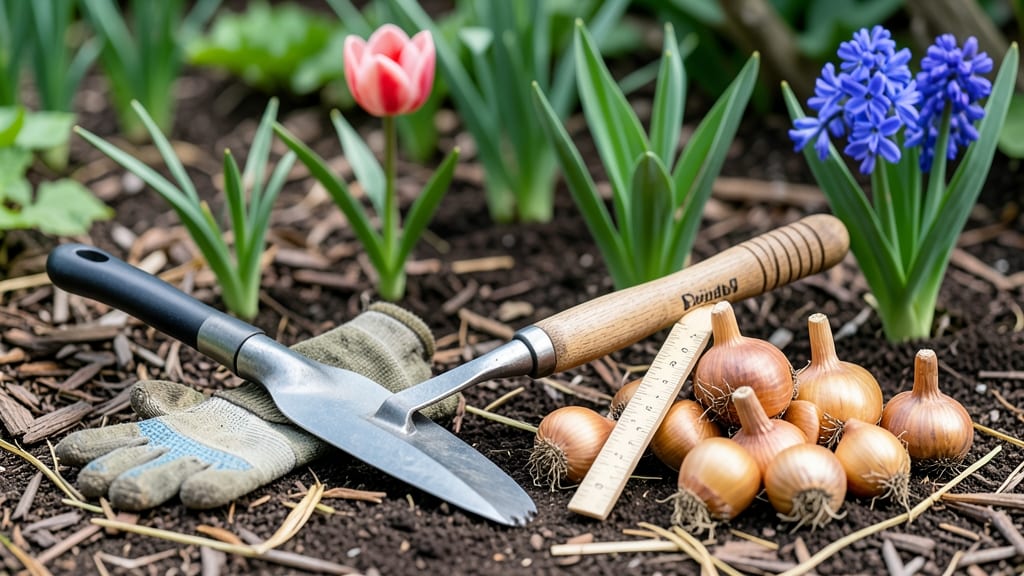
You can plant bulbs in the spring as soon as the soil warms to 50°F and the last frost has passed—typically mid-April in most of the U.S., but timing shifts dramatically by zone.
Spring’s arrival brings hope—and confusion—about when to plant bulbs for vibrant summer blooms. Plant too early, and frost will ruin your efforts; too late, and you’ll miss the ideal window. The key is knowing your zone and watching for soil cues like thawed ground and emerging daffodil shoots.
In Zone 6a, where most gardeners live, aim for April 15–May 15, but bulbs like tulips and hyacinths need cooler soil to thrive. Warmer zones (like 8–10) can plant as early as February, while colder ones (Zones 3–5) should wait until May.
Below, I’ll break down the exact month-by-zone timeline, soil prep secrets, and the 3 bulbs that forgive late planting—so you can avoid the most common mistakes and enjoy reliable blooms.
Spring bulb planting timeline by USDA hardiness Zones
Timing is everything when planting spring bulbs like tulips, daffodils, and hyacinths. The ideal window varies dramatically by USDA zone—plant too early in cold climates, and frost will kill tender shoots; too late, and you’ll miss the 6–8 week growth window before blooming.
Here’s your zone-by-zone guide to avoid common mistakes and maximize blooms.
Most spring bulbs need soil temperatures between 40–50°F and frost-free ground to thrive. In Zones 3–5, this often means waiting until late April or May, while Zones 7–10 can plant as early as February or March.
Regional factors like Pacific Northwest rains or Deep South heat also shift the timeline.
⚠️ Key Rule: Never plant bulbs when nighttime temps dip below 40°F. Use local frost date data to guide your schedule—aim to plant 4–6 weeks before your last expected frost.
| USDA Zone | Ideal Planting Month | Soil Temp Threshold | Frost Risk | Notes |
|---|---|---|---|---|
| 3–4 | Late April–May | 45–50°F | High (wait for stable soil temps) | Use row covers if planting early |
| 5–6 | Mid-April–Early May | 40–45°F | Moderate (check 10-day forecast) | Daffodils tolerate cooler soil |
| 7–8 | February–March | 50–55°F | Low (rare frost) | Plant alliums for late-spring color |
| 9–10 | January–February | 55–60°F | None (warm climates) | Use mulch to retain moisture |
| Pacific Northwest | March–Early April | 45–50°F | Moderate (spring rains delay planting) | Avoid waterlogged soil |
| Deep South | December–January | 55–60°F | None (heat stress risk) | Plant in partial shade for cooler roots |
In Zones 3–4, where winters linger, wait until mid-April to plant tulips and hyacinths. These zones often experience late frosts—use a soil thermometer to confirm temps above 45°F before digging.
For Zones 5–6, early April is ideal, but monitor nighttime lows—if temps drop below 35°F, protect bulbs with straw mulch.
Southern gardeners in Zones 7–10 can plant as early as January, but watch for heat stress. Bulbs like rain lilies thrive in
How to tell if your soil is ready for spring bulbs
Spring bulbs like tulips and daffodils need the right conditions to thrive, and soil readiness is key. Before you dig, check three critical factors: soil temperature, moisture levels, and drainage. Cold, soggy, or compacted soil can stall root growth or even kill your bulbs before they bloom.
Let’s break down how to test each one—and what to do if your soil isn’t quite ready.
First, focus on soil temperature, the most urgent factor. Spring bulbs prefer soil that’s warmed to 40–50°F. In colder zones (like USDA Zone 3–5), this might mean waiting until late April or early May.
Use a soil thermometer (just $10 at garden centers) to check depth—aim for 6 inches down, where roots will grow. If your soil is still below 40°F, hold off on planting or use black plastic mulch to warm it faster.
⚠️ callout warning ⚠️
Even if your last frost date has passed, cold soil will stunt roots. In Zone 6–7, wait until mid-April for tulips; daffodils are hardier and can go in by early April. In Zone 8–10, plant by February—but test soil first! Use a soil thermometer to avoid frost damage.
💡 Pro Tip: If soil is below 40°F, cover planting areas with straw mulch (3–4 inches thick) to insulate roots.
Next, assess moisture levels. Bulbs need consistently moist (not soggy) soil to establish roots. Stick your finger 2 inches deep—if it feels dry, water deeply before planting. Overly wet soil (common in clay-heavy gardens) can rot bulbs.
To test drainage, dig a 6-inch hole, fill it with water, and time how long it takes to drain. If water pools after 24 hours, amend soil with compost or sand to improve airflow.
Don’t overlook soil compaction, another silent killer. Walk on your garden—if the ground feels hard as a sidewalk, your bulbs will struggle. Loosen soil with a garden fork to a depth of 12 inches, breaking up compacted layers.
Mix in aged compost (2–3 inches) to boost nutrients and loosen texture. For heavy clay, add perlite or coconut coir to create air pockets for roots.
If your soil is too cold, try these quick fixes: Lay down clear plastic sheeting over beds 1–2 weeks before planting to absorb sunlight and raise temps by 5–10°F.
For soggy soil, build raised beds with a gravel base (4–6 inches) to improve drainage. And if soil is rock-hard, rent a rototiller to aerate it before amending.
Once your soil hits the 40–50°F sweet spot, moisture is balanced, and drainage is good, your bulbs are ready to go! Plant them at 3x their height deep (e.g., a 2-inch tulip bulb goes 6 inches down) with the pointy end up.
Water gently after planting to settle soil, and you’ll be rewarded with vibrant blooms in 8–12 weeks.