
Plants
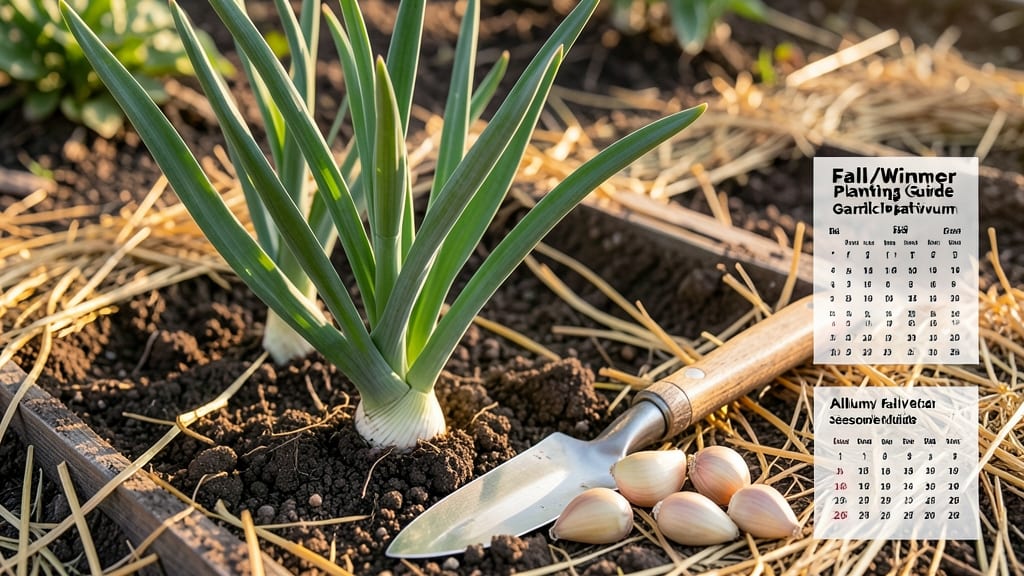
To plant garlic bulbs in Zone 5, aim for October to early November when soil temps hover around 50°F—this narrow window is the key to hardneck success.
Planting garlic at the wrong time in Zone 5 can mean the difference between a bumper crop and a disappointing harvest—yet most gardeners miss the narrow fall window that guarantees hardneck success.
Why does timing matter so much? In Zone 5, garlic needs 6-8 weeks of cold exposure to form strong bulbs, but planting too early risks rot, while waiting too late means the ground freezes before roots establish.
Below, I’ll walk you through the exact dates for your region, soil prep secrets, and how to adjust if your fall is unusually early or late.
Optimal fall planting dates for Zone 5 garlic bulbs
Getting the timing right for garlic bulb planting in Zone 5 is everything—especially for hardneck varieties, which thrive in cold climates. The window is narrow, typically between mid-October and mid-November, but exact dates depend on your subregion and soil conditions.
Plant too early, and your cloves may sprout and get damaged by winter cold. Plant too late, and they won’t establish roots before the ground freezes. The key is soil temperature and frost timing, not just calendar dates.
In Zone 5, hardneck garlic needs 4-6 weeks of cool soil temperatures (below 50°F) before the ground freezes solid. This cold period triggers bulb formation. For most of Zone 5, that means planting between October 15 and November 15, but adjustments are needed for northern vs. southern subregions.
Let’s break it down by specific areas to ensure you hit the sweet spot for your location.
If you’re in a northern subregion of Zone 5, like Minnesota or northern New York, aim to plant by October 15. Soils in these areas cool quickly, and you risk premature sprouting if you wait too long.
Use a soil thermometer to confirm temperatures are consistently below 50°F—this is your best indicator, not just the calendar. For central Zone 5, such as Chicago or Iowa, the window stretches into late October, but don’t push it past November 1 unless your soil is exceptionally warm.
Southern Zone 5 gardeners, like those in Kansas or Missouri, have a bit more flexibility. You can often plant well into November, but monitor frost forecasts closely. The goal is to give your garlic 6-8 weeks of root growth before the ground freezes.
If your area experiences unseasonably warm falls, like in 2023, you might need to adjust your planting date 2 weeks earlier to avoid sprouting before winter sets in.
One of the biggest mistakes I see is planting garlic too early in hopes of a longer growing season. While garlic can handle cold, sprouting before winter weakens the cloves and makes them vulnerable to freeze damage.
If your soil is still above 50°F in October, wait a few weeks. Conversely, planting too late means the cloves won’t establish roots before the ground freezes, leading to poor bulb development or total failure. Always prioritize soil temperature over calendar dates.
For gardeners in Zone 5’s transition areas, like northern Illinois or western Pennsylvania, I recommend planting in two batches: one in mid-October and another in early November. This hedges your bets against unpredictable weather. Use straw mulch (4-6 inches) to ins
How to prepare garlic bulbs and soil for fall planting
Fall is the perfect time to plant garlic bulbs in Zone 5, but success starts with selecting the right cloves and preparing your soil properly. Hardneck varieties thrive in cold climates, so focus on varieties like Rocky Mountain or Silverskin for the best results.
The key is to break bulbs into individual cloves and plant them in well-amended soil before the ground freezes.
Start by choosing plump, firm bulbs with no signs of mold or sprouting. Avoid cloves from grocery stores—they’re often treated to prevent sprouting and won’t yield strong plants. Instead, opt for organic garlic bulbs from garden centers or online suppliers.
Once you’ve selected your bulbs, the next step is breaking them down into individual cloves for planting.
Step-by-Step Guide to Preparing Garlic Bulbs and Soil
- Step 1: Break Bulbs – Gently separate the garlic bulb into individual cloves, ensuring each clove retains its papery skin. Discard any damaged or shriveled cloves.
- Step 2: Soak Cloves (Optional) – For extra disease resistance, soak cloves in a 1% hydrogen peroxide solution (1 part peroxide to 9 parts water) for 10 minutes before planting.
- Step 3: Test Soil pH – Use a soil test kit to check pH. Garlic prefers a slightly acidic to neutral range (6.0–7.0). If your soil is too alkaline, amend it with elemental sulfur (1/2 cup per 10 sq ft) 2–3 weeks before planting.
- Step 4: Amend Soil – Mix in 2–3 inches of compost or well-rotted manure to improve drainage and fertility. Avoid fresh manure, which can burn cloves.
- Step 5: Plant Cloves – Bury cloves 2 inches deep, pointy end up, with 4–6 inches between cloves and 12–18 inches between rows for proper airflow.
- Step 6: Mulch Heavily – Apply a 4–6 inch layer of straw or leaves to insulate cloves from freezing temperatures and retain moisture.
Proper spacing and mulching are critical in Zone 5’s short growing season. Cloves planted too close will compete for nutrients, while those spaced too far apart may not maximize your garden’s potential. Aim for 4–6 inches between cloves and 12–18 inches between rows to allow for healthy bulb development.
Don’t forget to mark your garlic rows with flags or stakes, as they’ll be hard to spot once mulch settles. This simple step saves time during spring cleanup and makes harvesting easier. After planting, water lightly to settle the soil, but avoid overwatering—garlic prefers consistently moist but well-drained soil.
With your cloves planted and soil prepped, your garlic is ready to overwinter and emerge strong in spring. The key to a bountiful harvest lies in these early steps—so take your time breaking bulbs, amending soil, and spacing cloves correctly. Your future harvest will thank you!
🌱