
Plants
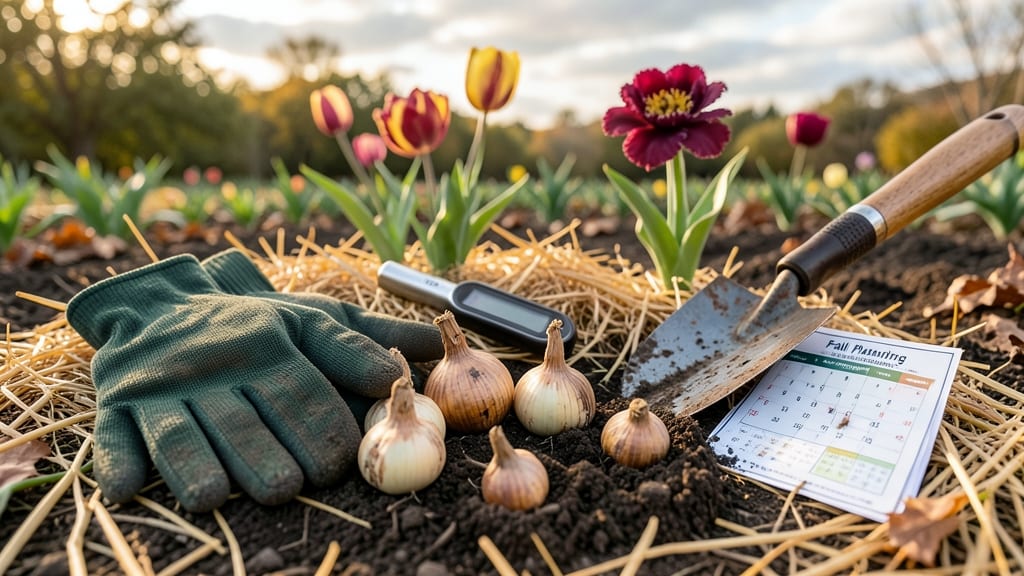
Planting tulip bulbs in Nebraska between mid-September and mid-October ensures they establish roots before winter’s first freeze — the key to bold, reliable blooms next spring.
Nebraska gardeners know the difference between a thriving spring display and a missed opportunity comes down to one critical factor: timing. Plant tulip bulbs 🌷 too early, and frost will ruin them; too late, and you’ll miss the narrow window for robust root growth before winter’s chill sets in.
With USDA Zone 5a-6b winters, Nebraska’s first frost typically arrives in mid-October, leaving just 4-6 weeks to get bulbs in the ground. The right soil prep, depth, and mulching can stretch that window, but rushing risks shallow roots or frozen bulbs.
In this guide, I’ll break down the exact planting schedule for your area, plus soil tips and bulb varieties that handle Nebraska’s cold snaps. By the end, you’ll know whether to dig in by late September or wait for that crisp October air.
Best planting months for Nebraska tulip bulbs (Zone 5-6 guide)
Nebraska’s Zone 5-6 climate demands precision when planting tulip bulbs—a window that’s too narrow for guesswork. The ideal time spans from mid-September to early November, but your exact timing depends on your location’s first frost date and soil conditions.
In Omaha, where winters arrive slightly later, you might push planting to mid-November, while Lincoln’s earlier frosts call for planting by early October.
Tulips need 4-6 weeks of cool soil temperatures (below 60°F) to establish roots before winter dormancy. Plant too early, and bulbs may sprout prematurely; too late, and they won’t root deeply enough to survive Nebraska’s sub-zero winters.
The key is balancing soil temperature and frost risk—a challenge even experienced gardeners face.
Nebraska’s microclimates create real differences in planting success. For example, Omaha’s later frost dates (average first frost: October 28) give gardeners a 3-week extension compared to Lincoln (average first frost: October 15).
Use the Nebraska State Climate Office’s frost data to fine-tune your schedule—just plug in your ZIP code for local insights.
For early-blooming tulips (like ‘Iceland’ or ‘Darwin Hybrid’), aim for planting by mid-October to ensure they establish roots before winter. Late-blooming varieties (e.g., ‘Parrot’ or ‘Fosteriana’) can tolerate slightly later planting, but still need 4 weeks of root growth before frost.
Pro tip: Test soil temperature with a thermometer—plant when it hovers around 50-60°F for consistent results.
Soil preparation is just as critical as timing. Tulips thrive in well-draining soil with a pH of 6.0-7.0. Amend heavy clay soils with compost or sand to prevent bulb rot, and avoid fresh manure, which can burn delicate roots.
A 2-inch layer of mulch after planting insulates bulbs from temperature swings and retains moisture.
If Nebraska’s unpredictable weather has you second-guessing, consider a backup plan. Store bulbs in a cool, dark place (like a garage) until soil temperatures drop, then plant within 2 weeks.
This works especially well for late-season varieties or gardeners in colder microclimates. Just don’t wait past November 15, or bulbs may not survive the winter.
One common mistake is assuming all tulips have the same planting window. Species tulips (like ‘Tulipa tarda’) are more cold-hardy and can handle later planting, while hybrid tulips (e.g., ‘Apeldoorn’) need earlier dates. Always check the variety tag for specific guidance—this small step can mean the difference between bold blooms
How to adjust planting time for Nebraska’s unpredictable weather patterns
Nebraska’s unpredictable frost dates can turn a perfect planting plan into a gamble. One year, early October brings 30°F nights, while another year, November snow lingers until December.
To protect your tulip bulbs, I’ve developed a flexible strategy that accounts for these swings—so you can plant with confidence, even when Mother Nature throws curveballs.
Start by checking the Nebraska Extension’s frost date maps (updated annually). Most of the state falls in USDA Zone 5-6, where the average first frost hits between October 15-30.
However, microclimates matter: urban areas like Omaha may freeze 1-2 weeks earlier than rural zones. Use this as your baseline, then adjust based on your yard’s exposure.
⚠️ WARNING: Late Planting Risks Planting tulip bulbs after November 15 in Nebraska often means they won’t establish enough roots before winter. Without strong root systems, your bulbs may rot or fail to bloom next spring.
If you’re planting late due to unseasonably warm weather or bulb shortages, prioritize hardier varieties like ‘Darwin Hybrid’ tulips, which tolerate colder soil temperatures better than delicate parrot tulips.
For soil insulation, I swear by a 3-inch layer of straw mulch after planting. This traps ground heat in early fall, giving bulbs a head start, while also shielding them from temperature fluctuations in winter.
In windy areas, add a lightweight row cover or even a thick cardboard barrier to block drying winds that can stress newly planted bulbs.
If early freezes threaten before your bulbs are in the ground, consider a backup planting schedule. Store bulbs in a cool, dark place (like a garage) until conditions improve, then plant as soon as the soil temperature drops below 60°F.
This delay tactic works best for late-blooming varieties, which can handle slightly later planting without sacrificing next year’s flowers.
Use this risk-assessment checklist to decide between early October or November planting:
- ☑️ Check 7-day forecast for hard freezes (<32°F)
- ☑️ Test soil temperature (use a soil thermometer—ideal range: 40-50°F)
- ☑️ Verify bulb freshness (discard any soft or sprouted bulbs)
- ☑️ Confirm drainage (water should drain within 24 hours)
If 3+ items are risky, delay planting until conditions improve.
Remember, tulips planted in Nebraska’s Zone 5-6 need 6-8 weeks of root growth before winter. Even if you miss the ideal window, don’t panic—just mulch heavily and water deeply before the ground freezes.
With these adjustments, your spring blooms will still shine, no matter what Nebraska’s weather throws at you. 🌷