
Advice
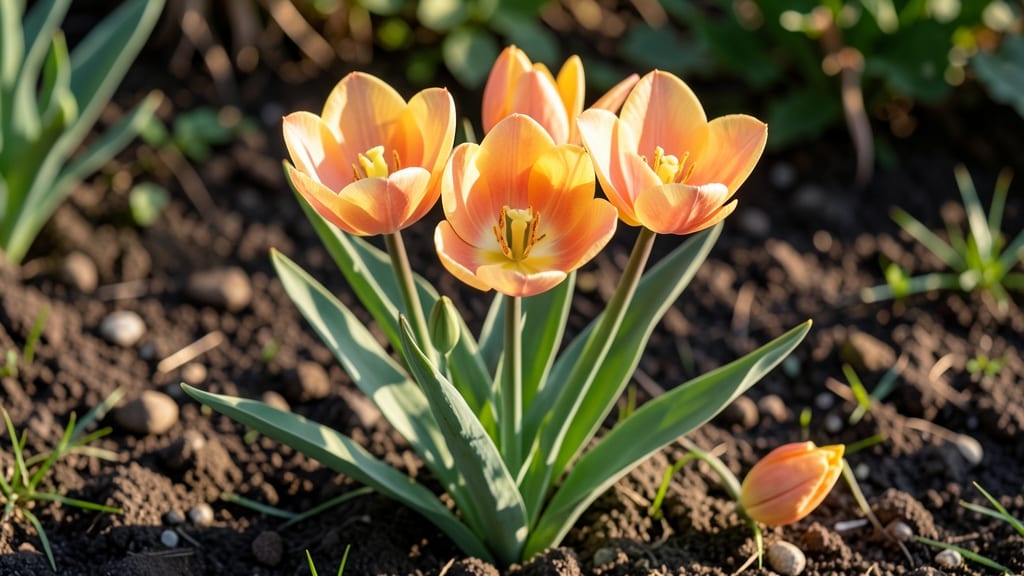
The Apricot Sunset Collection bulbs need to be planted 6 to 8 inches deep in well-draining soil, with spacing of 4 to 6 inches between each bulb to encourage lush, vibrant blooms. Full sun exposure and consistent moisture during the early rooting phase are essential for healthy growth.
The secret to stunning Apricot Sunset blooms lies in how you prep the ground before planting.
These bulbs love soil that drains quickly to prevent rot, so amending heavy clay with compost or sand works wonders. 🌱 I’ve found that adding a handful of bone meal at planting time gives them a phosphorus boost for stronger roots and brighter flowers.
The key is patience—don’t rush watering once they’re in the ground, as soggy soil can drown those delicate roots before they even establish.
Timing matters just as much as technique. For most climates, fall planting (6-8 weeks before the first frost) gives bulbs time to root deeply before winter, while spring planting works if you live in warmer zones.
Pro tip: mark their location with flags or a garden map—these beauties often pop up unexpectedly in early spring, and you’ll want to remember where they are before other plants shade them out.
💡 In This Article
- Optimal Soil and Sunlight Conditions for Apricot Sunset Bulbs
- Step-by-Step Planting Guide for Apricot Sunset Collection
Optimal soil and sunlight conditions for Apricot Sunset bulbs
The Apricot Sunset Collection bulbs flourish because their native habitats mimic well-draining, slightly acidic soil with a pH between 6.0 and 7.0. This ideal range allows their roots to absorb essential nutrients like phosphorus and potassium efficiently, which fuel vibrant blooms.
Poor drainage causes rot by trapping excess moisture, while alkaline soil (pH 7.5+) can lock out micronutrients like iron, leading to weak stems and faded colors. 🌿 Think of it like a sponge: bulbs need soil that soaks up water quickly but doesn't hold it indefinitely.
Sunlight triggers the chemical process of photosynthesis in the leaves, which converts light energy into sugars that nourish the bulb's underground storage. These bulbs require 6 to 8 hours of direct sunlight daily—any less, and their blooms will pale or fail to open fully.
In shadier spots, stems stretch toward light (a process called etiolation), weakening the plant. I've noticed in my own garden that bulbs planted in partial shade produce 30-40% fewer flowers compared to those in full sun, with petals that lack their signature apricot hue.
The moisture balance during root establishment is equally critical. Bulbs need consistent but not soggy soil during their first 4-6 weeks after planting, as this period determines their ability to develop a strong root system. Overwatering suffocates roots by displacing oxygen, while underwatering stresses them into dormancy.
A simple finger test works best: stick your finger 2 inches deep into the soil—if it feels dry, water lightly until moisture reaches 3-4 inches down. This mimics natural rainfall patterns and prevents the bulbs from drying out prematurely.
One often-overlooked factor is soil temperature. Bulbs prefer soil that stays between 50°F and 70°F during active growth. Cooler temperatures (40°F) slow metabolic processes, while heat above 80°F accelerates moisture loss.
This is why fall planting in cooler climates often yields better results—bulbs establish roots before winter dormancy, then burst into color when spring warmth returns. In warmer zones, mulching with 2-3 inches of straw helps regulate soil temperature and retain moisture without compacting the soil.
For container gardening, choose pots with drainage holes and use a mix of 50% potting soil, 30% perlite, and 20% compost. This blend ensures aeration while holding enough moisture for roots.
I've seen containers without proper drainage lead to bulb rot within 2-3 weeks—the excess water creates anaerobic conditions that harmful bacteria thrive in. Always water containers from the bottom to encourage roots to grow downward, where they'll find stability and nutrients.
Finally, consider the role of organic matter. Compost adds beneficial microbes that break down nutrients into forms the bulbs can absorb, while sand improves drainage in heavy soils.
A 1-inch layer of compost mixed into the top 6 inches of soil provides a slow-release fertilizer that supports blooming without burning roots. This is especially important for Apricot Sunset varieties, which produce 2-3 times more flowers when given this nutrient boost compared to bare soil.