
Orchid Care
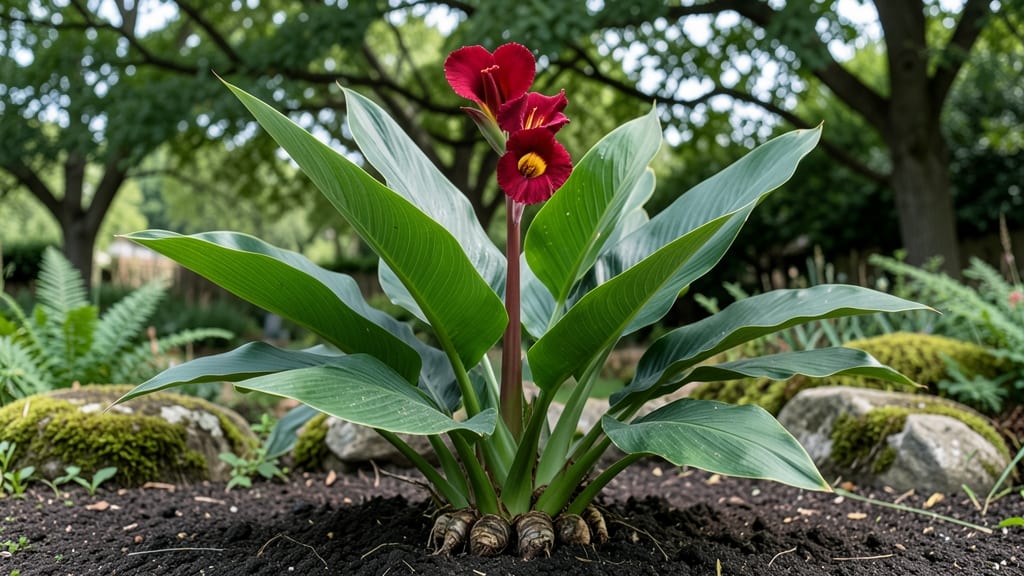
Canna bulbs are the thick, tuber-like roots of the canna lily plant, known for their dramatic tropical foliage and striking summer flowers. These rhizomes act as energy reservoirs, allowing the plant to regrow each season and survive in warm climates or containers with careful winter protection.
These underground stems aren't true bulbs like tulips but rather rhizomes—thick, horizontal roots that store nutrients for the plant's next growth cycle. 🌱 What makes them unique is their ability to produce new shoots from multiple points along the rhizome, which is why a single bulb can quickly become a lush clump.
In colder regions, gardeners must dig them up before frost to prevent damage, while in warmer zones, they often overwinter happily in the ground.
Canna bulbs thrive in moist, well-draining soil and full sun, making them perfect for container gardening in cooler climates. Their bold foliage—ranging from deep burgundy to vibrant green—adds tropical flair to any garden, while the showy blooms in shades of red, orange, and yellow attract pollinators.
Many gardeners swear by cannas for their low-maintenance nature and ability to bounce back year after year with proper care.
💡 In This Article
- How Canna Bulbs Store Energy for Growth and Survival
- Planting and Overwintering Canna Bulbs for Long-Term Success
How canna bulbs store energy for growth and survival
Canna bulbs are actually specialized rhizomes—thick, horizontal underground stems that function like nature's energy banks. Unlike true bulbs (such as tulips), which store nutrients in layered scales, canna rhizomes store starches and sugars in their fleshy, fibrous structure.
This allows them to regenerate new shoots from multiple points along their length, creating dense clumps of growth. 🌱 The rhizome's thick, waxy skin helps prevent water loss while maintaining moisture for root development.
What's fascinating is how these rhizomes prioritize energy storage. During the growing season, the plant converts sunlight into glucose through photosynthesis, which is then transported to the rhizome where it's converted into insoluble starch.
This stored energy fuels the plant's regrowth in spring, with a single mature rhizome capable of producing 5-10 new shoots depending on its size. The larger the rhizome (typically 2-4 inches in diameter), the more dramatic the next season's display will be.
This energy storage system explains why cannas thrive in tropical climates but require dormancy in colder regions. When temperatures drop below 50°F, the plant enters a natural rest period, halting photosynthesis and redirecting all energy to the rhizome.
Without this dormancy, the rhizome would continue growing roots but wouldn't develop the necessary energy reserves for spring regrowth. 💫 This is why gardeners in zones 7-10 can often leave rhizomes in the ground year-round, while those in colder zones must dig and store them.
Comparing canna rhizomes to other tuberous plants reveals some key differences. While dahlias also use tuberous roots for storage, their growth points are concentrated at the tips, making them more fragile during storage. Caladiums, on the other hand, store energy in corms (solid, rounded storage organs) rather than rhizomes.
Canna's fibrous rhizome structure gives it a distinct advantage in wetter soils, as it can spread horizontally to avoid waterlogging that might affect other tuberous plants.
The rhizome's ability to regenerate from multiple points also means it's remarkably resilient. Even if part of the rhizome is damaged during digging or storage, new growth can emerge from undamaged sections. This makes cannas particularly forgiving for gardeners who might not have perfect storage conditions.
However, the trade-off is that over time, the rhizomes can become overcrowded, leading to reduced flower production—a clear sign it's time to divide and replant.
One often overlooked aspect is how the rhizome's position affects growth. When planting, the top (where the growth buds are visible) should face upward, typically 2-3 inches below the soil surface.
This positioning ensures the rhizome receives adequate moisture while keeping the growth points above potential frost lines in colder climates. The rhizome's natural orientation helps channel water and nutrients efficiently to emerging shoots in spring.
The energy storage mechanism also explains why cannas perform so well in containers. In pots, the confined space forces the rhizome to focus its energy on producing more vigorous above-ground growth rather than spreading horizontally.
This container adaptation makes cannas ideal for urban gardeners or those with limited space, as a single 10-inch pot can produce a stunning tropical display each season. 🌿