
Plants
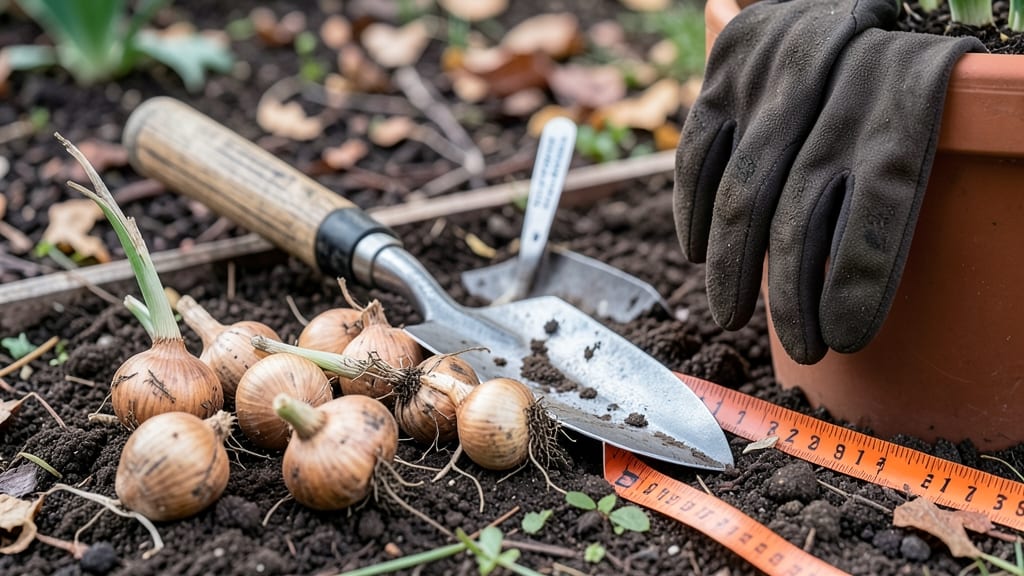
You can plant daffodil bulbs in spring, but success depends on climate and preparation—warmer regions or late-season plantings work best. Fall planting remains the gold standard for vibrant blooms, as it allows bulbs to establish roots before winter dormancy.
Spring planting forces daffodils to compete with summer heat, which can stress young roots before they've had a chance to anchor. 🌱 The key to making it work is using pre-chilled bulbs (available at garden centers) and planting them deeper than usual—about 8-10 inches below soil level—to protect them from drying out.
I've found that adding compost-rich soil and a thick layer of mulch helps retain moisture during critical early growth stages, giving those bulbs the best shot at surviving until fall.
For those in USDA Zones 8-10, where winters are mild, spring planting can actually be a smart move—just time it for late March to early April when soil temperatures stabilize. The trade-off?
You might see fewer blooms the first year, but with proper care, your daffodils will build strength for spectacular displays in subsequent springs. Think of it as an investment in next year's garden!
💡 In This Article
- Why Fall Planting Is Ideal for Daffodil Bulbs
- Spring Daffodil Planting: Step-by-Step Success Guide
Why fall planting is ideal for daffodil bulbs
Daffodils are hardwired for a fall planting schedule because their growth cycle begins with a period of dormancy—a natural state where the bulb conserves energy until conditions are perfect.
When planted in autumn, daffodil bulbs experience 6-8 weeks of cool soil temperatures (50-60°F), which triggers root development before winter dormancy sets in. This head start means roots can establish a 3-4 inch network before ground freezes, giving the bulb a survival advantage. 🌱
The biological magic happens through a process called vernalization, where exposure to cold temperatures (but not freezing) signals the bulb to prepare for spring growth.
Fall planting aligns with this need—bulbs planted in late September to early November get this critical cold exposure while still having time to develop roots.
Compare that to spring planting: bulbs miss this vernalization window, forcing them to grow leaves and potentially bloom in the same season they're planted, which weakens the bulb.
Temperature sensitivity is another key factor. Daffodil bulbs can tolerate brief freezes (20-25°F) but struggle when soil stays warm for too long after planting.
In spring, warm soil temperatures (65°F+) can cause bulbs to sprout prematurely, only to be stressed by summer heat before roots are established.
This is why gardeners in USDA Zones 7-9 see better success rates with fall plantings—the cooler autumn soil gives roots time to anchor before summer arrives.
Consider the natural lifecycle: wild daffodils (like Narcissus pseudonarcissus) bloom in early spring after a winter of dormancy. Their bulbs rely on fall rains to initiate root growth, then use stored nutrients to push up shoots when days lengthen.
When you plant in spring, you're essentially asking the bulb to perform a 180-degree growth reversal—it expects winter first, not summer heat. 💫
One exception is tender daffodil varieties (like Narcissus jonquilla), which thrive in warmer climates (Zones 8-10) and can handle spring planting. Their bulbs are smaller and grow faster, allowing them to establish roots before summer stress sets in.
For these types, the risk of spring planting is lower because their natural habitat includes milder winters.
The bottom line? Fall planting gives daffodils the perfect growth window: cool soil for root development, winter dormancy to store energy, and spring warmth to bloom. Spring planting is like trying to run a marathon after skipping leg day—possible, but you'll need extra preparation to compensate. ✨