
How To
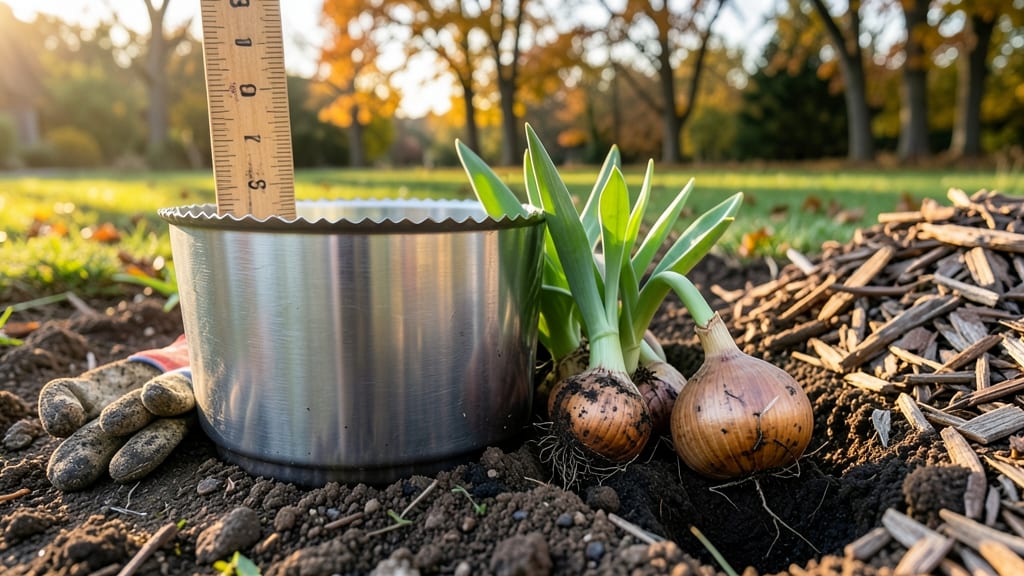
Planting tulip bulbs how far down you plant them is the secret weapon for show-stopping blooms that return year after year.
Too shallow, and your 🌷 may rot or flop over. Too deep, and you’ll wait years for flowers—or never see them at all. The difference between a disappointing spring and a garden full of color starts with a simple rule: how far down you plant those bulbs.
This isn’t just guesswork—it’s a science-backed formula that accounts for your soil type, climate, and even the tulip variety you’re growing.
Whether you’re in Zone 6a or a container gardener, I’ll walk you through the exact depth, the tools you’ll need, and how to adjust for tricky conditions like heavy clay or rocky ground.
By the end, you’ll know not just how deep to plant, but why it matters—and how to troubleshoot if your tulips still aren’t cooperating next spring.


The exact depth to plant tulip bulbs for optimal growth and blooms
Getting the planting depth right for tulip bulbs is the secret to those showstopping spring blooms you dream about. Too shallow, and your bulbs rot before they even sprout. Too deep, and you’ll struggle with weak stems that flop over.
The golden rule is simple: plant tulips at a depth equal to 3 times the bulb’s height. For most standard tulip varieties, that means 6-8 inches deep, but let’s break down why this works and how to adjust for your garden.
Tulip bulbs need this specific depth because their root systems develop downward while the stem grows upward. The 3x rule ensures the bulb sits deep enough to anchor roots firmly in the soil while leaving the top exposed enough to push through frost and emerge in spring.
Think of it like a seesaw—balance is everything. If you plant too shallow, the bulb may heave out of the ground during freeze-thaw cycles. Too deep, and the stem fights to reach the surface, often resulting in leggy, weak flowers.
Here’s the visual guide you can trust to get it right every time, including adjustments for different bulb sizes and soil types:
When you’re planting in fall (October-November), aim to get your bulbs in the ground at least 6 weeks before the first frost. This gives the roots time to establish before winter dormancy.
In milder climates (USDA Zones 8-10), you can plant as late as December, but the 3x depth rule still applies. Spring planting is possible in cold regions, but it’s riskier because bulbs may not develop strong roots before summer heat arrives.
Don’t forget to orient your bulbs correctly—the pointy end (the shoot) should always face upward. If you plant them upside down, they won’t sprout. After planting, cover the area with 2-3 inches of mulch to insulate the soil and protect bulbs from extreme temperature swings.
This is especially critical in northern climates where freeze-thaw cycles can heave bulbs out of the ground.
One of the biggest depth-related mistakes is assuming "deeper is better." While deep planting might seem like it protects bulbs, it actually stresses the emerging stem.
The goal is to create a balanced environment where the bulb has enough soil coverage to stay stable but not so much that the stem struggles to reach the surface.
In sandy soil, for example, you might reduce depth slightly (by 1 inch) because the soil drains faster and doesn’t hold moisture as well.
If you’re planting in containers or raised beds, the depth rules are the same, but choose a pot that’s at least 12 inches deep to accommodate the bulb and its roots. Smaller containers can work for dwarf varieties, but even then, stick to the 3x depth guideline.
After planting, water thoroughly to settle the soil around the bulb and remove any air pockets. This helps the roots make immediate contact with the soil, setting the stage for strong growth next spring.
Pro tip: If you’re unsure about your soil type, do a simple test. Grab a handful of moist soil and squeeze it—if it crumbles easily, it’s sandy (reduce depth by 1 inch). If it holds a tight ball, it’s clay (increase depth by 1 inch).
Adjusting for your soil ensures your tulips get the perfect balance of moisture and stability, no matter where you garden.
Finally, remember that consistency is key. Whether you’re a first-time planter or a seasoned gardener, measuring each bulb’s depth with a ruler or trowel ensures every tulip gets the same care.
With the right depth, your bulbs will store energy efficiently over winter, leading to larger, more vibrant blooms next spring. Now grab your gloves—your garden’s spring masterpiece starts with this one simple rule!
Common mistakes that ruin tulip bulb planting depth (and how to fix them)
Even experienced gardeners sometimes struggle with tulip bulb planting depth. The most common mistake? Planting them too shallow, which leaves bulbs vulnerable to rot and frost heave.
Others bury them too deep, stunting growth and delaying blooms. Both errors can turn your spring garden into a disappointment instead of a showstopper.
Let’s tackle the top 3 depth mistakes and how to correct them. I’ll show you how to spot the warning signs—like weak stems or no flowers—and fix them before your next planting season. The key is understanding how soil conditions and bulb size interact with depth.
⚠️ WARNING: The #1 Depth Mistake (And How to Fix It)
Planting tulips shallowly (less than 6 inches deep) causes bulb rot and frost damage. Fix it by digging a hole 3x the bulb’s height (e.g., 6-8 inches for standard tulips). Use a soil marker (like a stick) to check depth before covering.
Signs of shallow planting: Soft, mushy bulbs when dug up; moldy smell; stems that flop over. Solution: Replant deeper immediately if you catch it early.
Another frequent error is planting bulbs too deep (over 8 inches). This forces stems to struggle upward, often resulting in weak, floppy blooms or no flowers at all. The rule of thumb is 6-8 inches deep for most tulip varieties—deeper than that, and you’re risking stunted growth.
To test your depth, use a soil level marker. Stick a pencil or ruler in the hole after placing the bulb. The top of the bulb should sit 2 inches below the soil surface.
For dwarf tulips, reduce depth to 4-6 inches—they need less coverage to thrive.
If you’ve already planted too deep, don’t panic. Loosen the soil around the bulb and gently lift it to the correct depth. For bulbs planted too shallow, dig them up and replant immediately if frost is coming. Mulch heavily (3-4 inches) to protect them over winter.
Pro tip: Use a bulb planter with depth guides to avoid guesswork. It’s a small investment that pays off with healthier bulbs and bigger blooms next spring. And remember—consistent depth matters more than exact inches for most tulip varieties.