
Orchid Care
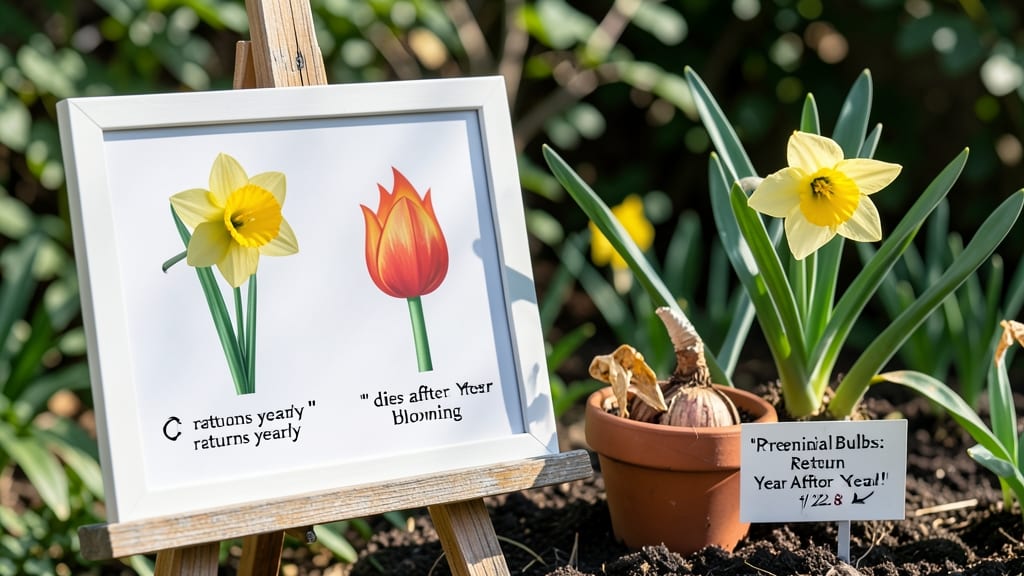
Bulbs are perennials because they store energy underground in specialized structures like onions, tulips, and daffodils, allowing them to regrow each season—though many require dormancy or replanting after flowering.
This perennial nature comes from their unique underground storage systems.
Unlike true perennials that regrow from roots or rhizomes, bulbs store nutrients in modified leaves or stems. 🌱 For example, tunicated bulbs (like lilies) have papery layers protecting their core, while scaly bulbs (like onions) store energy between their overlapping scales.
The key is their ability to enter dormancy—some bulbs even survive years underground before resurfacing.
What sets bulbs apart is their need for seasonal cycles. Many require a period of rest after flowering to rebuild energy reserves. For instance, daffodils often need 6-8 weeks of dormancy before replanting, while tulips may need dividing every 3-4 years to prevent overcrowding.
This makes them different from hardy perennials like hostas, which spread continuously without dormancy needs.
💡 In This Article
- How Bulbs Survive as Perennial Plants
- Planting and Care Tips for Long-Term Bulb Growth
How bulbs survive as perennial plants
The perennial nature of bulbs comes from their remarkable underground storage systems. Unlike annuals that complete their life cycle in one season, bulbs store nutrients in specialized structures called bulbs—modified stems with overlapping fleshy leaves.
For example, tunicated bulbs like lilies have papery outer layers that protect the core, while scaly bulbs like onions store energy between their overlapping scales. These structures can remain dormant for months, sometimes even years, before resurfacing when conditions are right.
The key to their survival lies in how they store and redistribute nutrients. During the growing season, bulbs absorb sunlight and water through their leaves, converting them into starches and sugars stored in the bulb's base. This stored energy fuels regrowth when spring arrives.
For instance, a daffodil bulb can store enough energy to produce leaves, flowers, and even new bulblets—all from a single underground organ. This makes them far more resilient than true perennials like hostas, which rely on roots or rhizomes for regrowth.
Seasonal dormancy is another critical factor. Many bulbs, such as tulips and hyacinths, require a period of rest after flowering to rebuild their energy reserves. Without this dormancy, they may flower less vigorously or even fail to return.
For example, tulips often need 6-8 weeks of dormancy before replanting, while crocuses can survive with minimal care because they store energy more efficiently.
This dormancy period is why bulbs thrive in regions with distinct seasons, where cold winters signal the bulb to rest and prepare for the next growing cycle.
Bulbs also differ from true perennials in how they reproduce. While plants like hostas spread through underground runners, bulbs often produce offsets—small bulbs that form around the parent bulb. These offsets can be separated and replanted to create new plants.
For example, a lily bulb might produce 3-5 offsets over a few years, allowing gardeners to expand their collection without buying new plants. This natural propagation method ensures bulbs can persist for decades with proper care.
One fascinating aspect is how bulbs adapt to their environment. Some, like rain lilies, store water in their bulbs to survive droughts, while others, like snowdrops, bloom early in the season when soil temperatures are still cool.
This adaptability is what makes bulbs such versatile perennials—capable of thriving in a wide range of climates and soil conditions. The secret lies in their ability to balance growth and dormancy, ensuring they're ready to bloom again when the time is right.
Understanding these mechanisms helps gardeners provide the right conditions for long-term bulb success. Whether you're planting tulips in full sun or daffodils in partial shade, knowing how bulbs store and use energy ensures they'll return year after year.
The next time you see a bulb bloom, remember: it's not just a flower—it's a survivalist with a built-in energy reserve! 🌱