
Orchid Care
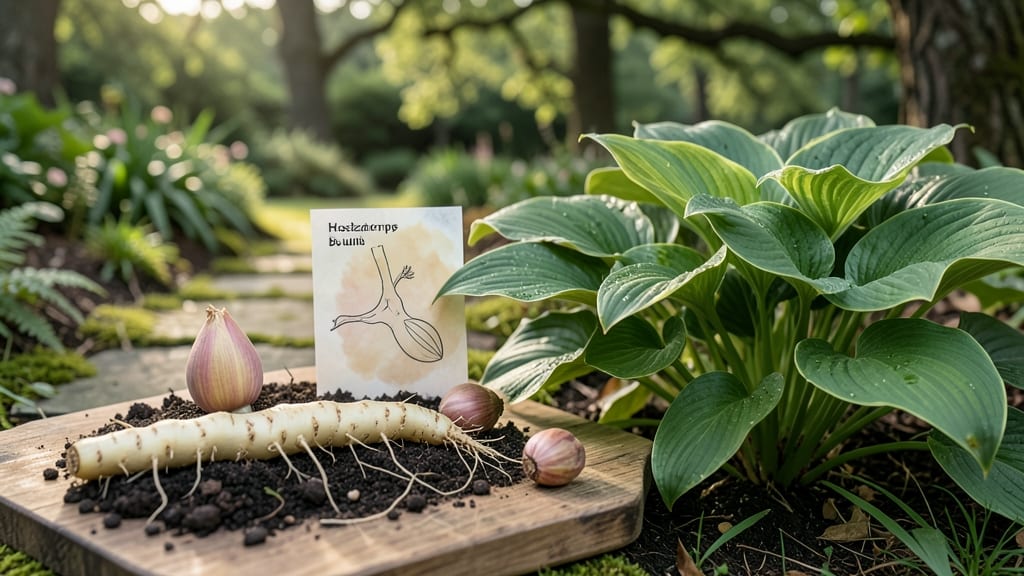
Hostas are perennial bulbs, meaning their underground rhizomes regrow annually from the same plant, returning each spring with proper care and seasonal dormancy. Their long lifespan depends on soil quality and winter hardiness.
Hostas don't grow from true bulbs like tulips—they spread through thick, fleshy rhizomes that store nutrients underground. 🌱 This makes them hardy perennials that come back every year, often for decades, if you protect them from extreme cold and provide rich, well-draining soil.
Unlike annuals, they don't need replanting—just a little seasonal attention to keep them thriving.
The key to their survival is winter dormancy: when temperatures drop, the rhizomes enter a resting phase, conserving energy until spring warmth signals new growth. Zone 3-9 hostas handle frost well, but mulching in colder climates gives them extra protection.
Their ability to regenerate from just a small piece of rhizome makes them incredibly resilient garden plants.
💡 In This Article
- How Hostas Survive as Perennial Bulbs
- Caring for Hosta Bulbs Year-Round
How hostas survive as perennial bulbs
Hostas don't grow from true bulbs like tulips—they spread through thick, fleshy rhizomes that function like underground storage units. These rhizomes store carbohydrates, starches, and nutrients during dormancy, allowing the plant to regenerate each spring.
Unlike annuals, which complete their life cycle in one season, hostas enter a seasonal dormancy during winter, conserving energy until temperatures rise above 50°F in spring.
The rhizome system works like a network of interconnected roots, with each node capable of producing new shoots.
This is why hostas spread aggressively over time—each rhizome segment can grow into a new plant. 🌱 For example, a mature hosta clump might produce 5-10 new shoots annually from its expanding rhizomes.
Their frost tolerance varies by species, with hardier varieties like 'Halcyon' surviving down to -25°F, while tropical types need winter protection in colder zones.
What makes hostas unique is their ability to regenerate from just a small piece of rhizome—even a 2-inch segment with an eye (growth bud) can produce a new plant. This resilience explains why they thrive for decades with minimal care.
Unlike true bulbs (like daffodils), which have distinct layers for growth, hostas rely on their rhizomatous structure to store and distribute energy efficiently throughout their lifespan.
During dormancy, hostas slow their metabolic processes dramatically, reducing water loss and energy expenditure. The rhizomes maintain a 5-10% moisture level to stay viable, which is why proper soil drainage is critical—waterlogged conditions cause rot.
In colder climates, mulching with 3-4 inches of organic matter (like shredded leaves) insulates the rhizomes, preventing freeze-thaw damage that could rupture their delicate storage tissues.
The biological process behind their perennial nature involves complex interactions between temperature, moisture, and light. When daylight hours increase in spring, hostas receive a hormonal signal to break dormancy.
This is why they often emerge 2-4 weeks before the last expected frost—giving them a head start on growth before summer's peak. Their ability to photosynthesize through their rhizomes (even when above-ground foliage is dormant) ensures they have enough stored energy to regenerate each year.
Consider this comparison: while tulip bulbs contain distinct layers for roots, leaves, and flowers, hostas rely on their rhizomes to perform all these functions. The rhizome's horizontal growth pattern allows hostas to colonize space efficiently, creating dense foliage while maintaining their perennial nature.
This structural difference explains why hostas spread so aggressively compared to true bulb plants.