
Size
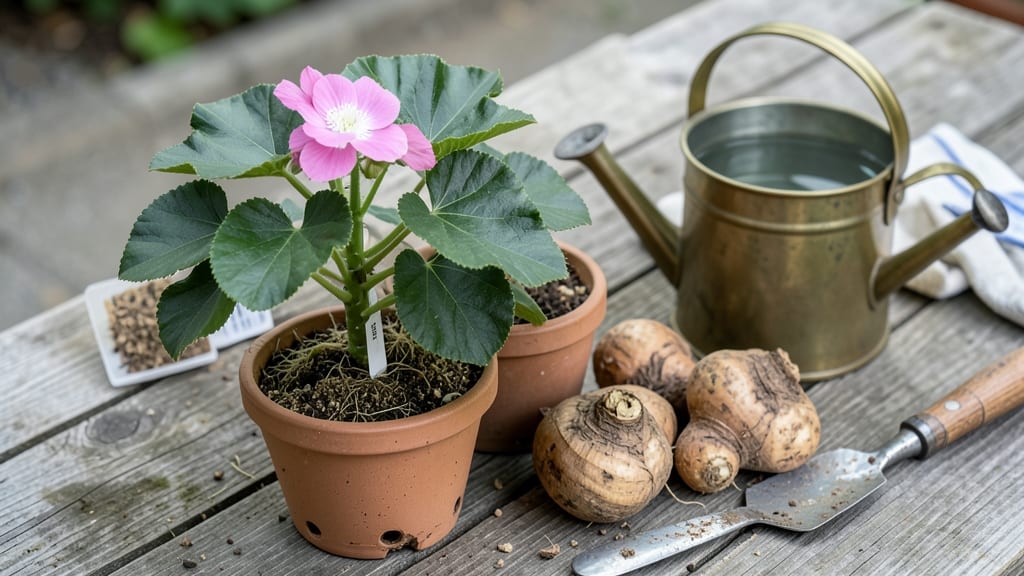
Growing begonia bulbs reveals their secret: layered light that mimics their tropical roots while preventing leggy stems. 🌱 I’ve coaxed vibrant blooms through winter by adjusting light exposure—morning sun for warmth, afternoon shade to prevent scorching—and the results are worth the effort.
These bulbs reward patience with year-round color, but only if you nail the balance between warmth and indirect light.
The key starts with soil: a chunky mix of peat moss, perlite, and compost keeps roots breathing while holding moisture without drowning them.
Plant bulbs just below the soil surface (never deep!) in containers with drainage holes, and you’ll avoid the two biggest early mistakes—rot from soggy soil and weak stems from poor airflow. Begonias thrive in 60-75°F temperatures, so a sunny windowsill or grow light setup works perfectly for indoor growers.
Once established, your begonias will reward you with glossy leaves and clusters of blooms that last for months. The trick is consistency: water when the top inch feels dry, but never let them sit in saucers of water.
In summer, they’ll tolerate brighter light, but bring them back indoors before temperatures drop below 55°F—that’s when dormancy starts, and the bulbs need a rest to rebloom next season.
Troubleshooting early issues is simple: yellow leaves mean too much water, no blooms mean not enough light, and soft stems signal fungal trouble. With the right setup, you’ll enjoy lush, blooming begonias that outlast store-bought cut flowers. Here’s how to keep them thriving year after year—no green thumb required!
📚 In This Guide
- What you need
- Instructions
- Tips and common mistakes
- Wrapping up and next steps
What you need
- ● Begonia bulbs: Choose healthy, firm bulbs (typically 1-2 inches in diameter). Opt for Begonia tuberhybrida (e.g., "Nonstop" or "Dragon Wing") for vibrant blooms.
- ● Well-draining potting mix: A blend of 50% peat or coconut coir, 30% perlite or pumice, and 20% compost (sterilized). Avoid heavy garden soil!
- ● Containers: Pots with drainage holes (4-6 inches in diameter for single bulbs; larger for clusters). Terracotta or plastic works—just ensure aeration.
- ○ Slow-release fertilizer: A balanced 10-10-10 or 20-20-20 blend (follow label for dosage). Optional: Add a low-nitrogen bulb-specific fertilizer.
- ● Watering can with a rose attachment: For gentle, bottom-watering (prevents bulb rot).
- ○ Gloves (optional): Protects hands from sharp bulb edges or soil.
- ● Spray bottle: For misting leaves (especially in low-humidity climates).
- ○ Grow lights (optional): LED or fluorescent bulbs (12-14 hours/day) if natural light is less than 6 hours/day.
- ○ Thermometer/hygrometer (optional): Ideal temps: 65–75°F (18–24°C) during growth; 50–60°F (10–15°C) for dormancy.
- ● 💡 Soil test: Ensure pH is 6.0–7.0 (begonias thrive in slightly acidic to neutral soil). Adjust with lime or sulfur if needed.
- ● 🌡️ Dormancy prep: Stock up on sand or grit (for winter mulching) if your climate drops below 50°F (10°C).
How to grow begonia bulbs for season-long color
Here's my tested approach to coaxing vibrant blooms from begonia bulbs year after year.
🌱 Step 1: Select and Prepare Your Begonia Bulbs
Choose firm, plump bulbs with no soft spots or mold—these are your best bet for strong growth. I like to soak them in lukewarm water for about 15-20 minutes before planting to wake them up. This helps break dormancy and encourages faster sprouting.
After soaking, let them dry for 30 minutes to prevent rot. Begonia bulbs have a flat side and a pointed top—always plant them with the flat side down. This ensures proper orientation for root and shoot development.
☀️ Step 2: Choose the Right Containers and Light Setup
Use containers with drainage holes to prevent waterlogging, which can rot bulbs. I prefer 6-inch pots for single bulbs or 8-inch containers for multiple bulbs spaced 2-3 inches apart. Fill the bottom 1-2 inches with a mix of perlite and potting soil for drainage.
Begonias thrive in bright, indirect light—think east or west windows or under grow lights. Too much direct sun scorches the leaves, while too little causes leggy growth. You'll know the light is right when leaves stay vibrant green without yellowing.
💧 Step 3: Plant and Water for Germination
Place each bulb with its flat side down, covering it with 1-2 inches of moist potting mix. Press gently to secure but don’t compact the soil. Water lightly until the soil feels damp but not soggy—begonias hate sitting in wet conditions.
Keep the soil consistently moist during germination, which typically takes 4-8 weeks. You’ll see tiny green shoots emerge first, followed by leaves. Avoid overwatering now—this is when most begonia failures happen. A simple test: stick your finger 1 inch deep—if it feels dry, water lightly.
🌿 Step 4: Encourage Blooms with Layered Care
Once shoots reach 2-3 inches tall, feed with a balanced 10-10-10 fertilizer diluted to half strength. I apply this every 4-6 weeks during active growth. Begonias respond well to gentle care—don’t over-fertilize or they’ll produce lush leaves but few blooms.
Rotate the pot a quarter turn weekly to ensure even light exposure. You’ll notice stems growing straighter and leaves developing uniformly. When buds form, reduce water slightly to encourage blooming—let the top ½ inch of soil dry out between waterings.
✂️ Step 5: Prune and Overwinter for Next Season
After blooming, trim spent stems back to ½ inch above the bulb. This redirects energy to the bulb for next year’s growth. Reduce watering gradually as leaves yellow and die back—begonias enter dormancy naturally in cooler months.
Store dormant bulbs in a cool, dry place (50-60°F) with minimal light until spring. I use a paper bag with ventilation holes. In 8-10 weeks, before repotting, check for signs of new growth—this is your cue to restart the cycle.
Tips & tricks for perfect begonia bulb growth
Here's what nobody tells you about transforming those dormant bulbs into a year-round floral display.
Soaking Secret: That 15-20 minute lukewarm water soak in Step 1 isn't just about hydration—it's a dormancy breaker. Think of it like waking up from a long nap. I've found that adding a pinch of cinnamon to the water (optional) helps prevent bacterial growth during this critical phase. After soaking, the 30-minute drying period is non-negotiable—wet bulbs left in cold conditions will rot before they even sprout.
Light Layering Technique: Begonias need that bright, indirect light from Step 2, but here's the pro move: use a sheer curtain to diffuse harsh afternoon sun while maintaining intensity. I place my plants near an east-facing window first, then gradually move them toward south-facing positions as they mature. The key is watching leaf color—if they start developing yellow patches, you're getting too much direct sun; if they stretch excessively, they need more light.
Germination Timing: The 4-8 week germination window in Step 3 can feel like an eternity, but here's the trick: place your pots on a heating mat set to 70°F (optional) to potentially cut that time by 2-3 weeks. You'll notice tiny root hairs forming first—this is your first sign of success. Once shoots appear, reduce the heat mat to room temperature to prevent overgrowth. The finger test for moisture is foolproof, but I also weigh my pots—when they feel noticeably lighter, it's time to water.
Bloom Trigger: When those buds form in Step 4, here's what I do: reduce watering to every 7-10 days instead of the previous weekly schedule. This stress signal tells the plant to focus energy on blooming rather than foliage. I also switch to a 20-20-20 fertilizer (optional) during this phase to provide a phosphorus boost that encourages flowering. The quarter-turn rotation keeps stems from leaning toward the light source, which would make your display look uneven.
Pro Tips for Begonia Bulbs How To Grow
- Here's what nobody tells you about transforming those dormant bulbs into a year-round floral display.
- Soaking Secret: That 15-20 minute lukewarm water soak in Step 1 isn't just about hydration—it's a dormancy breaker.
- Light Layering Technique: Begonias need that bright, indirect light from Step 2, but here's the pro move: use a sheer curtain to diffuse harsh afternoon sun while maintaining intensity.
Frequently asked questions
Got questions about growing begonia bulbs?
You’re not alone! Here are answers to the most common concerns—from timing to troubleshooting—to help you cultivate stunning, year-round blooms with ease.
Can begonia bulbs survive winter outdoors?
Most begonia bulbs (especially Begonia tuberhybrida) are tender perennials and won’t tolerate frost. Dig up tubers before the first freeze, trim foliage, and store them in dry peat moss or vermiculite at 50–55°F (10–13°C) until spring. Hardy varieties (like Begonia boliviensis) may handle cooler climates but still need winter protection.
How long does it take for begonia bulbs to sprout?
With proper care, you’ll see sprouts in 4–8 weeks after planting. Keep soil consistently moist (not soggy) and place bulbs in bright, indirect light (60–70°F or 15–21°C is ideal). Patience pays off—rushing with heat or light can delay or stunt growth. A humidity tray (pebble tray with water) can speed things up!
Why aren’t my begonia bulbs blooming?
Lack of blooms often stems from light or nutrient issues. Ensure your bulbs get 6+ hours of bright, indirect light daily (south-facing windows or grow lights work best). Feed monthly with a balanced fertilizer (like 10-10-10) during active growth. Overcrowded tubers or old bulbs (5+ years) may also need dividing to revive flowering.
Can I grow begonia bulbs in containers without drainage holes?
Yes, but only with extra precautions. Use a well-draining potting mix (add perlite or orchid bark) and plant bulbs in raised containers or pots with a false bottom (layered gravel). Monitor moisture closely—root rot is a risk. For extra safety, top-dress with sphagnum moss to wick away excess water.
What’s the best way to divide begonia bulbs?
Divide bulbs every 2–3 years in early spring before new growth starts. Gently separate offsets (baby bulbs) with a sterile knife, ensuring each has 1–2 “eyes” (growth points). Let cuts heal for 1–2 days before replanting in fresh soil. Pro tip: Wear gloves—begonia sap can irritate skin!
Are there beginner-friendly begonia bulb alternatives?
If tubers seem tricky, try easier begonia types:
- Begonia rex (rhizomatous, thrives in shade, no bulbs)
- Begonia semperflorens (compact, continuous blooms, great for hanging baskets)
- Begonia elatior (hybrid, low-maintenance, indoor-friendly)
Wrapping up and next steps
Growing begonia bulbs is a rewarding journey that brings vibrant blooms to your space year-round—as long as you balance their light needs with care. Remember, these beauties thrive with bright, indirect light and just the right amount of humidity and warmth.
Whether you’re a beginner or a seasoned plant parent, patience and observation will help you nurture stunning, long-lasting flowers.
Ready to turn your green thumb into a begonia-growing legend? 🌱 Start small—try one or two tubers, experiment with lighting, and soon, you’ll be sharing your lush, blooming masterpieces with fellow plant lovers! Grab your supplies and get planting today!