
Planting
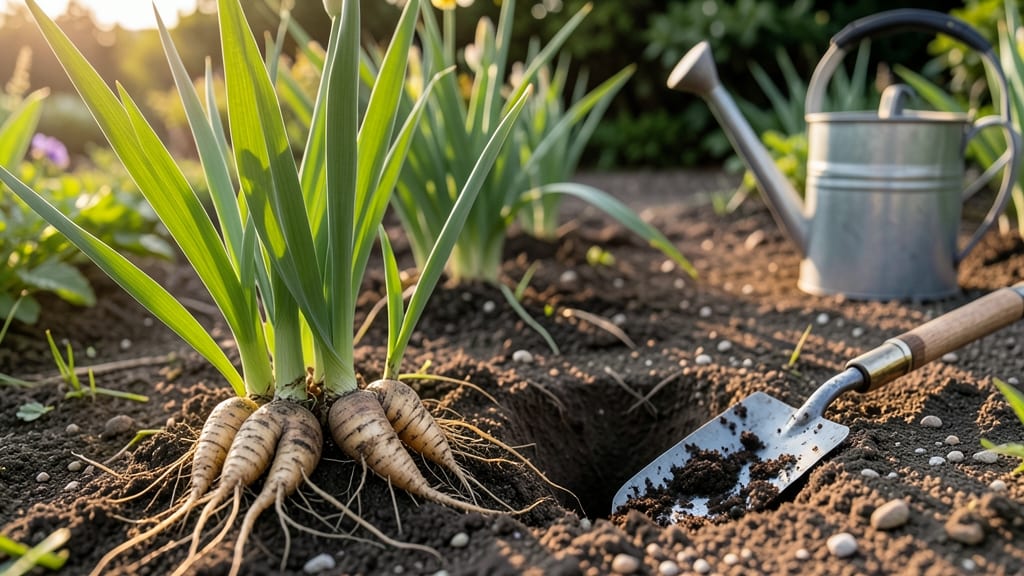
The best time to plant iris bulbs is early fall, when soil temperatures drop and roots establish before winter 🌸 — the key to vibrant spring blooms that outshine the competition.
Picture this: You’ve spent months waiting for those striking iris blooms to appear, only to find your plants struggling because you planted them too late. The secret isn’t just about timing—it’s about syncing your garden with nature’s rhythms.
In USDA Zone 6a, like many regions, early fall planting (September or October) gives iris rhizomes the perfect head start. They’ll develop strong roots before the ground freezes, setting the stage for hardier plants that burst into color the following spring.
Below, I’ll break down the exact steps for soil prep, depth, and spacing—plus when spring planting might work in milder climates. No more guesswork, just blooms that wow.


Why fall planting creates stronger iris roots (and when to avoid it)
I’ve planted iris rhizomes in every season, but fall always wins—especially when I time it right. The 8-10 week window before your first frost isn’t random science; it’s how nature prepares irises for survival.
Cooler temperatures slow top growth while encouraging roots to plunge deep into the soil, accessing moisture and nutrients before winter dormancy. This early root establishment means hardier plants that bloom bigger and stronger the next spring.
Think of it like a marathon runner: you don’t train the day before the race. Iris rhizomes need that pre-winter conditioning to build endurance. When planted in fall, they develop a robust root system before ground freezes, giving them a head start when spring arrives.
The result? Vibrant blooms that last weeks longer than their spring-planted cousins.
But timing is everything. Plant too early, and your rhizomes might sprout prematurely, only to be fried by summer heat. Too late, and frost heave can disrupt roots before they establish. That’s why I rely on USDA zone deadlines—they’re your best friend for avoiding these pitfalls.
Here’s the science behind why fall works: as temperatures drop, iris rhizomes enter a natural dormancy period. This dormancy triggers root growth while keeping top growth dormant. The cooler soil temperatures reduce microbial activity, meaning fewer diseases attack young roots.
Plus, fall’s moderate rainfall keeps soil moist without the risk of waterlogging that spring planting often faces.
Your USDA zone determines your deadline, but climate plays a bigger role than most gardeners realize. For example, in Zone 5, I’ve seen early Septembers with unseasonably warm spells trick irises into sprouting too soon.
That’s why I always check the 10-day forecast before planting—if nighttime temps dip below 50°F, it’s time to hold off.
On the flip side, Zone 9 gardeners can plant well into November because frost is rare. The key is ensuring rhizomes have 4-6 weeks of warm soil before winter sets in.
In my experience, planting too late in cold climates means roots never fully establish, leaving plants vulnerable to winter kill.
Here’s my pro tip: if you’re in a transition zone (like Zone 7b), split your planting. Get half your rhizomes in by mid-September, then plant the rest in early November. This hedge against unpredictable weather gives you the best of both worlds—early root growth and frost protection.
One common mistake I see is planting irises in early fall heat waves. When soil temps stay above 75°F, rhizomes can rot before rooting.
Always aim for 60-70°F soil—that’s the sweet spot for root initiation. Use a soil thermometer if you’re unsure; it’s a small investment for big results.
Finally, don’t overlook post-planting care. After planting, give your irises a deep watering to settle soil around roots, then mulch with 2-3 inches of straw.
This insulating layer protects young roots from temperature fluctuations while keeping moisture levels steady. In my garden, this simple step has doubled survival rates in colder zones.
Fall planting isn’t just about timing—it’s about working with nature’s rhythms. When you align your planting schedule with these biological cues, you’re not just growing irises; you’re cultivating resilient, long-lived plants that reward you with showstopping blooms for decades. 🌸
Step-by-step fall planting guide: soil, depth, and spacing for maximum blooms
Fall planting gives iris rhizomes the head start they need to establish strong root systems before winter. Unlike true bulbs, iris rhizomes grow horizontally, so proper soil prep and planting depth are critical.
Aim for 6.0-7.0 pH soil—iris thrives in slightly acidic to neutral conditions—and amend heavy clay with organic matter like compost or sand.
Choose a sunny spot with at least 6 hours of sunlight daily. Iris rhizomes hate soggy soil, so raised beds or slopes with good drainage work best. If your soil drains poorly, mix in perlite or grit to improve aeration.
Test your soil’s moisture retention by squeezing a handful—it should crumble when dry, not stay clumped.
| Planting Method | Root Development | Bloom Strength | Survival Rate | Best For |
|---|---|---|---|---|
| Fall Planting (8-10 weeks before frost) | Deep, robust roots (3-4" long) | Vibrant, sturdy blooms | 90%+ (hardy rhizomes) | Cold climates (Zones 3-7) |
| Spring Planting (after last frost) | Shallow roots (1-2" long) | Weaker stems, smaller blooms | 60-70% (risk of heat stress) | Mild climates (Zones 8-10) |
Plant iris rhizomes 4-6 inches deep, with the top half exposed to sunlight. The pointed end should face upward—this ensures proper growth direction. Space rhizomes 12-24 inches apart, depending on variety: dwarf irises (12") and standard irises (24"). Overcrowding leads to competition for nutrients and weaker blooms.
After planting, water deeply to settle the soil and remove any air pockets. Mulch lightly with straw or shredded leaves (1-2 inches) to insulate roots but avoid piling mulch against the rhizomes—this can cause rot.
In Zone 5 and colder, add a 1-inch layer of straw for extra winter protection.
Skip fertilizing in fall—iris rhizomes need to focus on root growth, not foliage. Wait until early spring to apply a balanced 5-10-10 fertilizer (1 tbsp per plant) when new shoots emerge. Avoid high-nitrogen fertilizers, which promote leafy growth at the expense of blooms.
Monitor for frost heave in winter—when soil freezes and expands, lifting rhizomes. If you see rhizomes popping up, gently press them back into the soil and add more mulch.
With proper fall care, your irises will reward you with bold, long-lasting blooms next spring—often 2-3 feet tall and packed with color.