
Plants
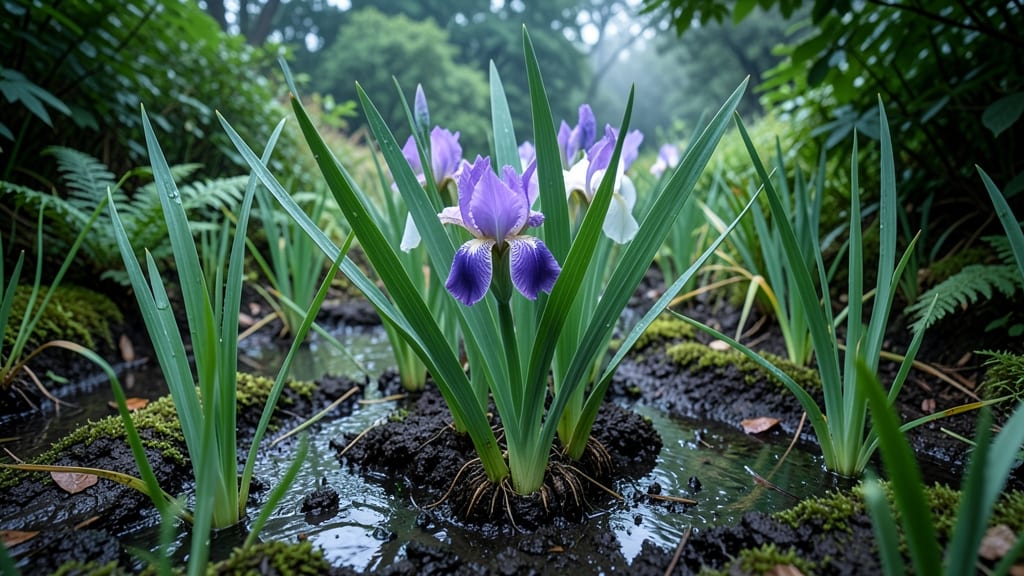
Struggling to grow vibrant flowers in shady spots? These 10 shade-loving bulbs thrive where others fail, delivering stunning blooms and lush foliage with minimal sunlight requirements.
Crinum Lily Bulbs for Bold Tropical Drama
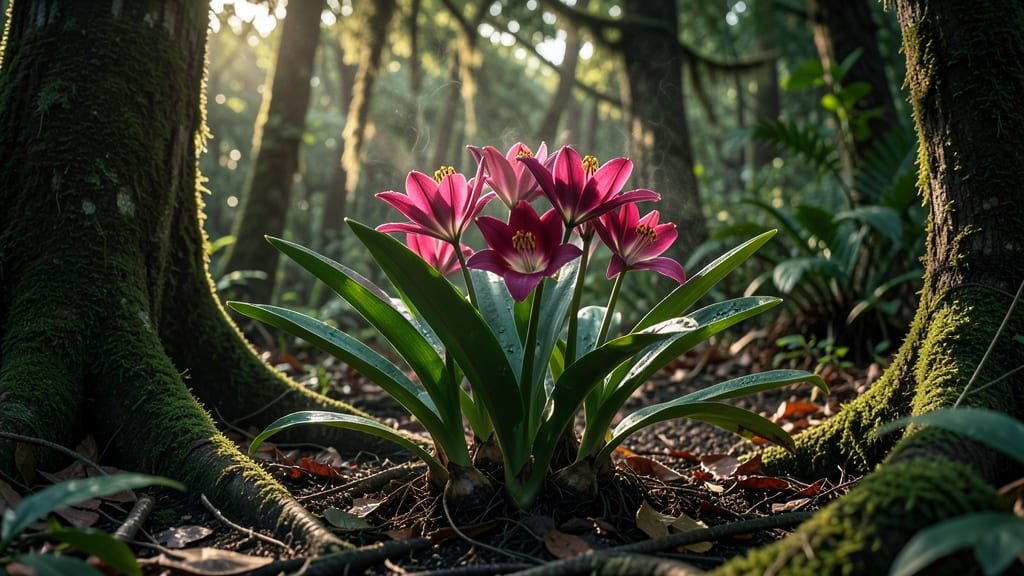
Tired of bare patches under trees or in shady corners? Crinum lilies bring tropical drama to deep shade with their water-lily-like blooms and intoxicating fragrance—where most bulbs refuse to grow.
These hardy bulbs thrive in full to partial shade, tolerating even the darkest woodland edges. Plant them in containers for patios or directly in borders, mixing them with ferns and hostas for a lush, layered look. Their fragrant, trumpet-shaped flowers (often white or pink) appear in late summer, lasting weeks. Water moderately—drought-tolerant once established—and fertilize lightly in spring for bigger blooms.
Perfect for gardeners with shady spots who crave bold color without sunlight. Their year-round foliage adds texture even when not in bloom! 🌿
Snowdrop Galanthus for Early Season Elegance
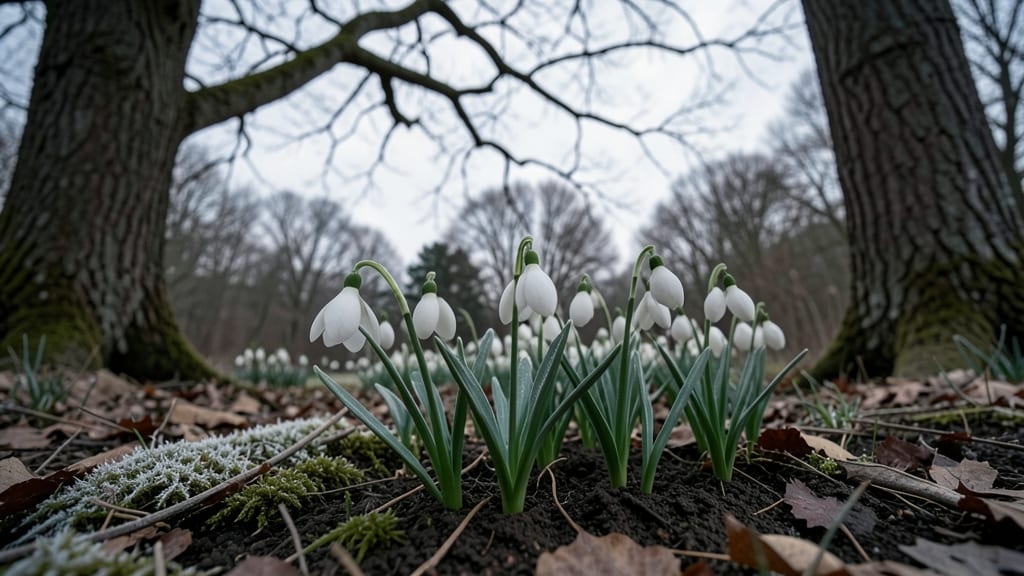
When winter's chill still lingers and most gardens lie dormant, snowdrop galanthus emerges as a delicate harbinger of spring. These early-season bloomers thrive in deep shade where other plants struggle, making them perfect for under trees or north-facing borders that receive little sunlight.
Plant snowdrop bulbs in fall, 2-3 inches deep in well-draining, humus-rich soil. They prefer consistent moisture but avoid soggy conditions. Once established, they multiply yearly, creating naturalizing drifts of white blooms that appear as early as January or February in mild climates. Their slender green leaves add texture even after flowering.
Gardeners with shady spots will love snowdrops for their low-maintenance beauty—they're deer-resistant and rarely bothered by pests. Perfect for woodland gardens, cottage-style borders, or as a cheerful addition to winter containers. 🌱
Hosta-Loving Bluebell Bulbs for Woodland Gardens
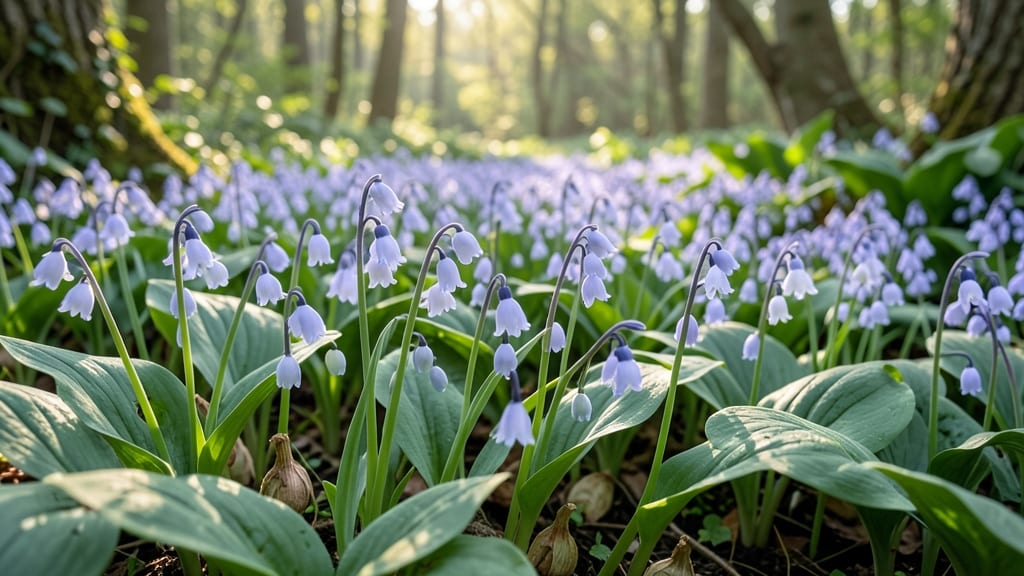
Want to transform your shady garden into a woodland wonderland without the fuss? English bluebells (Hyacinthoides non-scripta) are the secret weapon—naturalizing effortlessly under hostas to create a dreamy blue carpet that spreads year after year.
These bulbs thrive in partial to full shade, making them perfect for cottage-style gardens or perennial beds where hostas dominate. Plant them in well-draining, moist soil in early fall, and watch them multiply over time. Their delicate bell-shaped flowers bloom in spring, adding height and color while hostas provide lush, textured foliage below.
This combo is ideal for gardeners who love low-maintenance, high-impact planting—no staking, no fuss, just pure natural beauty. 🌿
Toad Lily Tricyrtis for Late-Season Shade Interest
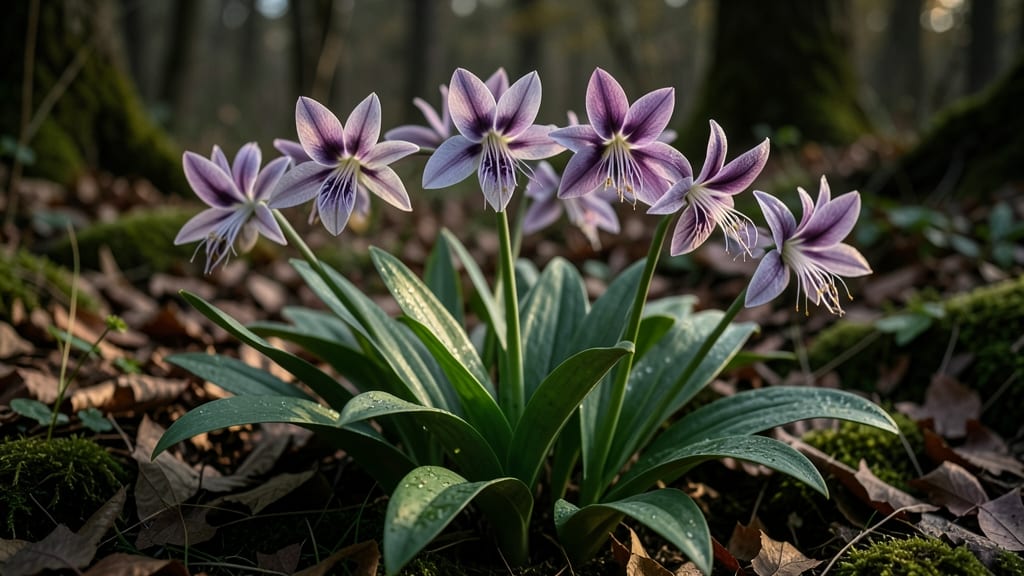
When your garden's darkest corners seem hopeless, toad lilies (Tricyrtis) arrive like a late-season superhero with their exotic, spider-like blooms that dance in the shade. Unlike spring ephemerals that fade by summer, these perennials extend their drama well into fall, often producing two bloom cycles when happy.
Plant them in partial to full shade where other bulbs give up, and they'll reward you with purple, white, or bicolored flowers that contrast beautifully against dark foliage. Their moisture-loving nature makes them perfect for woodland gardens or under deciduous trees—their roots thrive in humus-rich, well-draining soil. For extra impact, pair them with hostas or ferns to create a lush, layered shade garden.
Urban gardeners with small spaces will love that toad lilies grow just 12-18 inches tall, making them ideal for containers or tucked into foundation plantings. Their fall-blooming habit extends your seasonal interest when many gardens are winding down. 🌷
Fritillary Bulbs for Checkered Shade Beauty
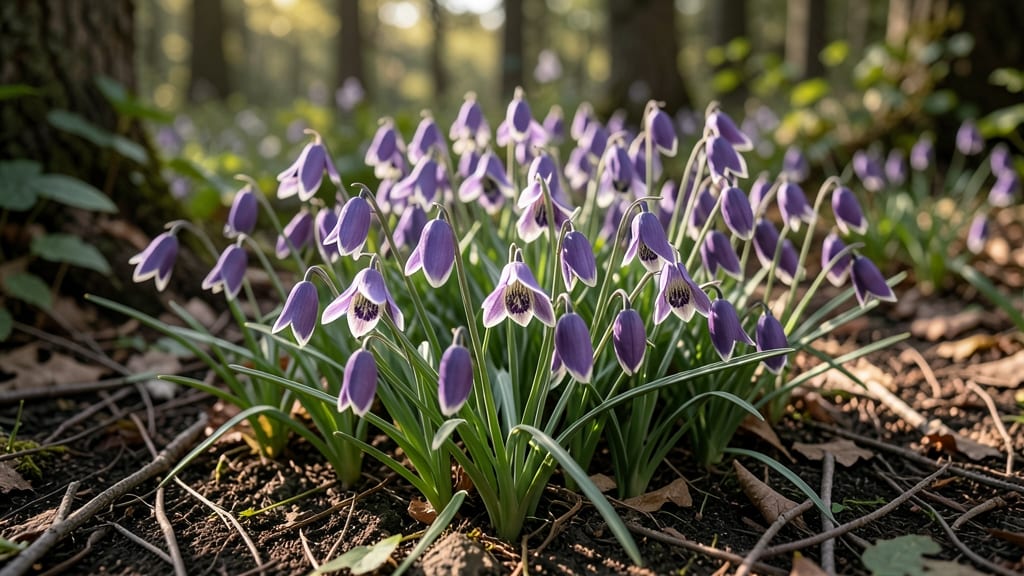
Tired of shady spots that look dull and empty? Fritillary bulbs transform overlooked corners into a checkered masterpiece with their striking purple-and-white blooms, perfect for naturalizing under trees or adding height to borders.
These bulbs thrive in partial to full shade and produce elegant, nodding flowers that resemble fritters or lacy doilies—hence their name. Plant them in well-draining soil in early fall, about 3-4 inches deep, and enjoy blooms in late spring. Their vertical growth habit (18-24 inches tall) makes them ideal for adding drama to shady garden edges.
Perfect for cottage gardeners, woodland enthusiasts, or anyone who loves a pop of color in low-light areas, fritillary bulbs bring effortless charm with minimal care. 🌷
Arum Lily Zantedeschia for Lush Foliage and Flowers
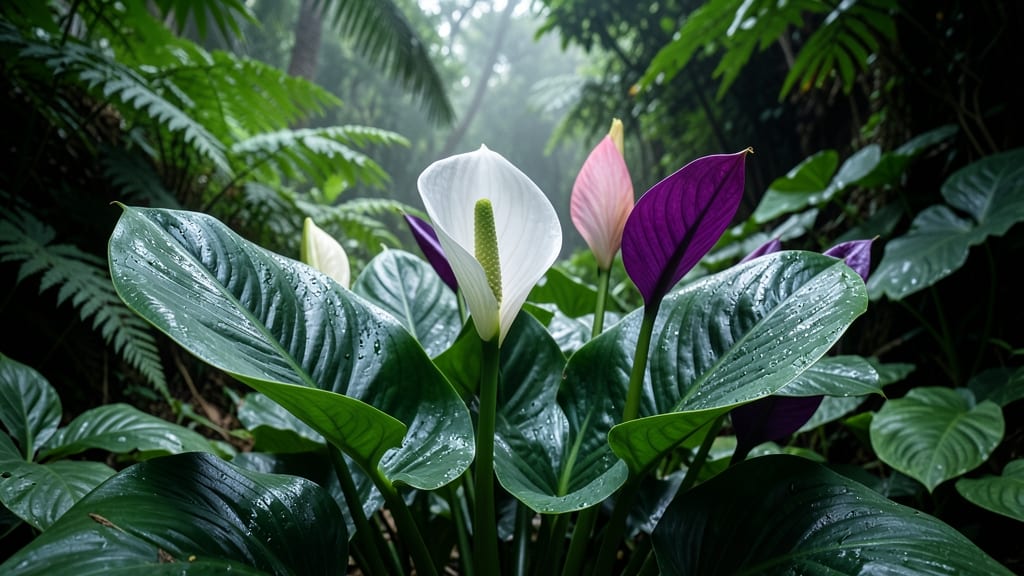
Transform your shady garden into a tropical oasis with arum lilies (Zantedeschia), the bold showstoppers that thrive where others falter. Their arrowhead-shaped leaves and striking spathe blooms (in shades of white, pink, or deep purple) bring drama to even the darkest corners—no sun required.
These rhizomatous plants love partial to full shade, making them perfect for north-facing beds, under trees, or alongside ferns. Plant them in well-draining, moist soil in early spring, spacing rhizomes 12 inches apart. While they tolerate shade, they’ll reward you with year-round interest—glossy foliage in summer and dramatic blooms from late spring to fall.
Urban gardeners and small-space enthusiasts will love how arum lilies thrive in containers, while their striking foliage makes them a standout in mixed borders. Just watch for slugs—they adore these tender leaves! 🌿
Cyclamen for Delicate Spring Blooms
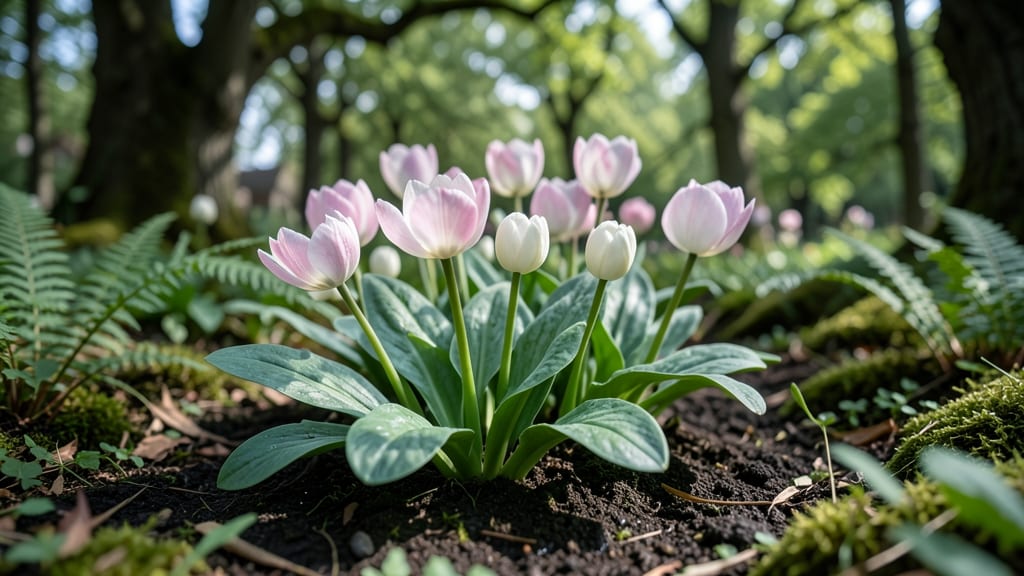
Looking for a shade-tolerant bulb that adds both color and texture to your garden without demanding full sun? Cyclamen brings delicate spring blooms in soft pink or white, paired with striking heart-shaped leaves that create a lush, woodland feel. These bulbs thrive in partial to full shade, making them ideal for understory planting where other bulbs might struggle.
Plant cyclamen tubers in well-draining soil in early fall, just below the surface, and keep them moist until dormancy. They’ll reward you with early spring blooms that last for weeks, followed by attractive foliage that persists until summer. Their compact size makes them perfect for rock gardens, container plantings, or as a ground cover beneath shrubs or trees.
This bulb is a must-have for gardeners who love low-maintenance, high-impact plants—especially those with shaded spots that need a touch of elegance. 🌷
Bleeding Heart Dicentra for Heart-Shaped Flowers
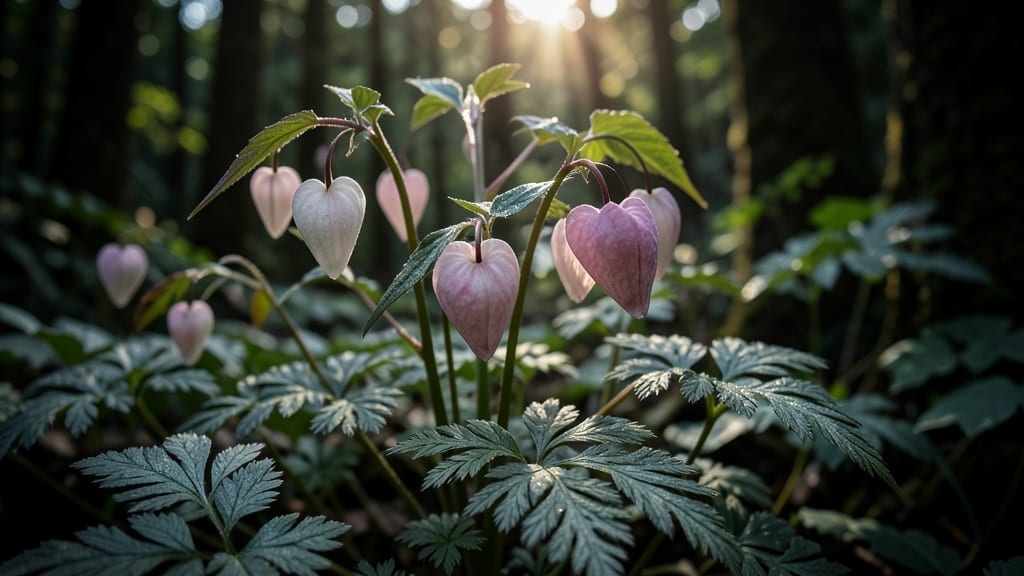
Tired of shady spots that feel like blank canvases? Bleeding heart (Dicentra) transforms dark corners into romantic cascades of heart-shaped blooms, thriving where most plants wilt. This perennial isn't just a bulb—it's a vertical statement piece with delicate foliage that adds texture year-round.
Plant Dicentra in partial to full shade (they despise hot sun) and expect blooms in spring, followed by a second flush in late summer. Their fern-like leaves create a lush backdrop for the pink or white flowers that dangle like tiny chandeliers. For best results, amend soil with compost and keep it consistently moist—these plants love humidity and hate drought. They’re perfect for woodland edges, under trees, or as a spiller in containers.
Urban gardeners and cottage-style enthusiasts will love how Dicentra softens hard edges while attracting hummingbirds. Even beginners can't go wrong—just plant the tubers shallowly (1-2 inches deep) and watch them multiply over time. 🌷
Allium Bulbs for Shade-Tolerant Height
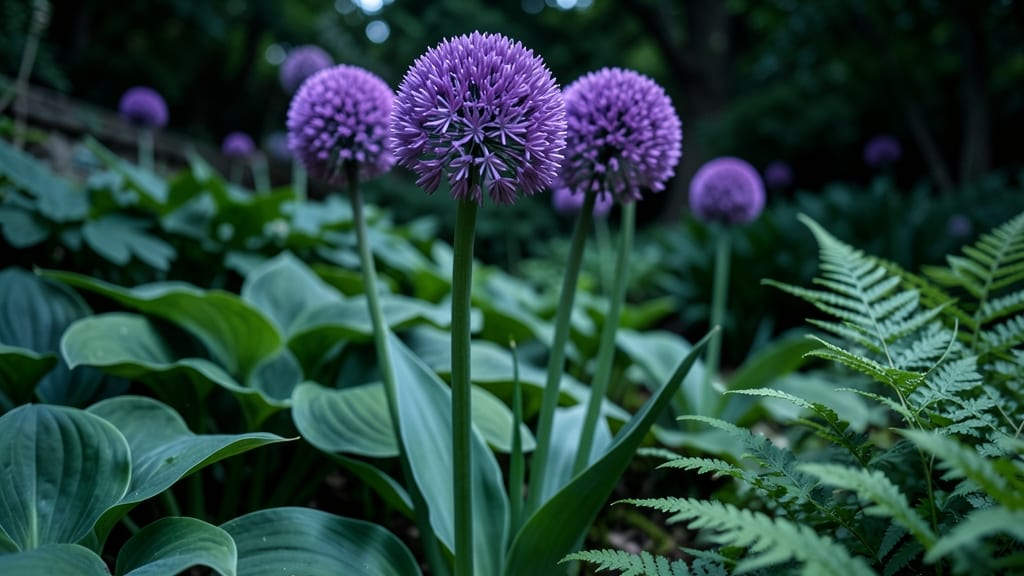
Want to add drama to your shady garden without sacrificing height? Allium bulbs deliver globe-shaped blooms that stand tall in partial shade, creating focal points where other plants struggle.
These hardy bulbs thrive with just 3-6 hours of sun daily and pair perfectly with ferns or hostas for layered garden beds. Varieties like Allium giganteum reach 4-5 feet tall, while smaller types like Allium schubertii offer delicate purple spheres. Plant bulbs in well-draining soil in early fall for spring blooms that attract pollinators.
Perfect for beginners or urban gardeners with limited sun, alliums require minimal care and provide bold vertical interest that transforms shady corners into showstopping displays. 🌻
Japanese Iris for Moisture-Loving Shade

Tired of struggling with soggy soil where most bulbs refuse to grow? Japanese iris thrives in moist, shady spots—making it the perfect solution for pond edges, bog gardens, or rain gardens where other plants wilt. Its striking sword-like foliage and vibrant blooms create a dramatic focal point that lasts for weeks.
Plant the rhizomes (not bulbs) just below soil level in well-draining, moist soil enriched with organic matter. They prefer partial to full shade and can even tolerate reflected light from nearby water features. Unlike many bulbs, Japanese iris multiplies over time, creating lush clumps that spread naturally—ideal for gardeners who want low-maintenance beauty.
This versatile plant works beautifully in container gardens or as a border along streams. Urban gardeners with small spaces will love how it transforms damp corners into vibrant displays. 🌱