
Plants
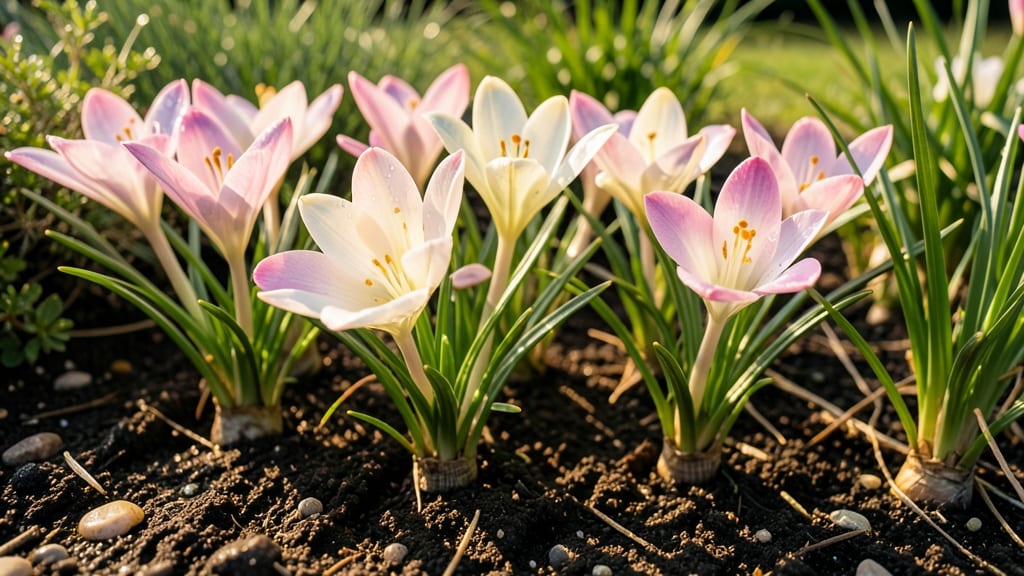
Fall is the perfect time to plant bulbs in Zone 8 for vibrant spring blooms and low-maintenance color. These 10 bulbs thrive in your climate, offering everything from fragrant flowers to drought-resistant varieties that multiply yearly with minimal care.
Daffodils for Early Spring Sunshine
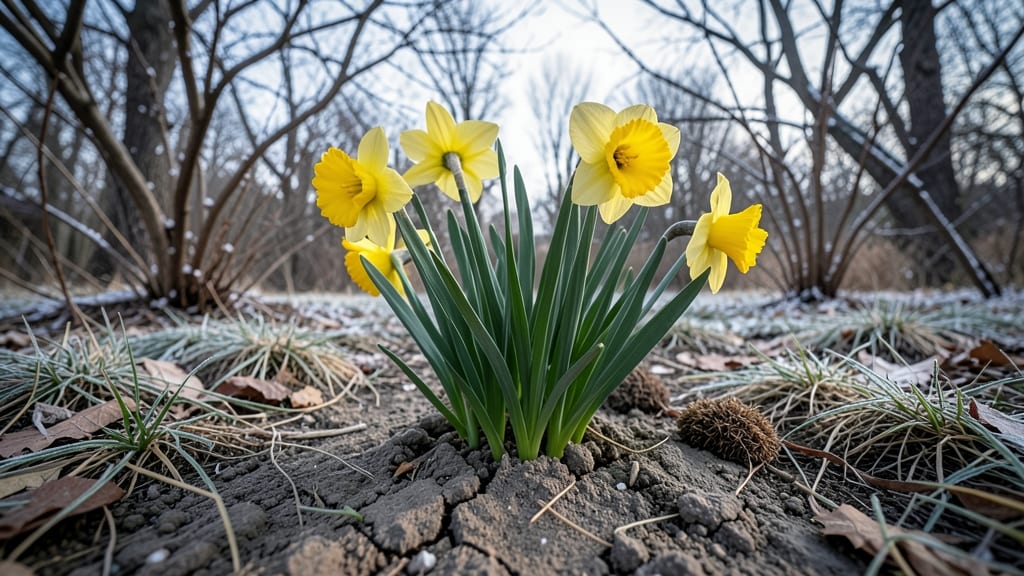
When your garden feels like a winter desert, daffodils burst onto the scene like cheerful sunshine. These hardy bulbs are the first to bloom in spring, often appearing before snow melts in Zone 8, and they thrive in spots where other plants refuse to grow—like dry, sunny borders or under trees.
Plant them in well-drained soil at a depth of 6-8 inches, with the pointy end up, and space them 4-6 inches apart. The best part? They multiply aggressively each year, creating naturalized drifts that repel deer and require no digging to divide. Choose varieties like 'Tête-à-Tête' for compact clusters or 'Ice Follies' for striking white blooms.
Perfect for beginners or busy gardeners, daffodils demand almost no care once planted—just a little water during dry spells. Their early blooms feed pollinators when food is scarce, making them a low-effort, high-reward choice for any sunny spot. 🌱
Tulips for Bold Seasonal Color
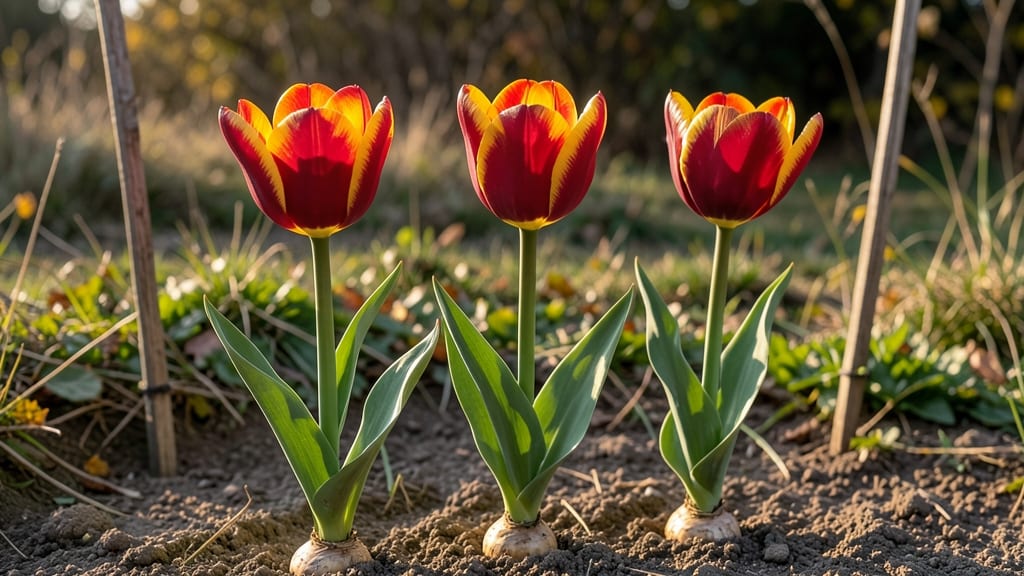
Want bold, show-stopping color that lasts beyond a single season? Darwin hybrid tulips are your answer—these heat-tolerant varieties thrive in Zone 8 and reward you with repeat blooms year after year, even in warmer climates.
Plant them 6-8 inches deep in well-drained soil by mid-October to establish strong roots before winter. Their sturdy stems hold up better in containers or beds than traditional tulips, making them perfect for urban balconies or mixed borders. For extra vibrancy, pair them with low-growing perennials like ajuga or heuchera to fill gaps after blooming.
These tulips are ideal for gardeners who love high-impact seasonal color without the fuss of annual replanting. 🌻
Alliums for Dramatic Height
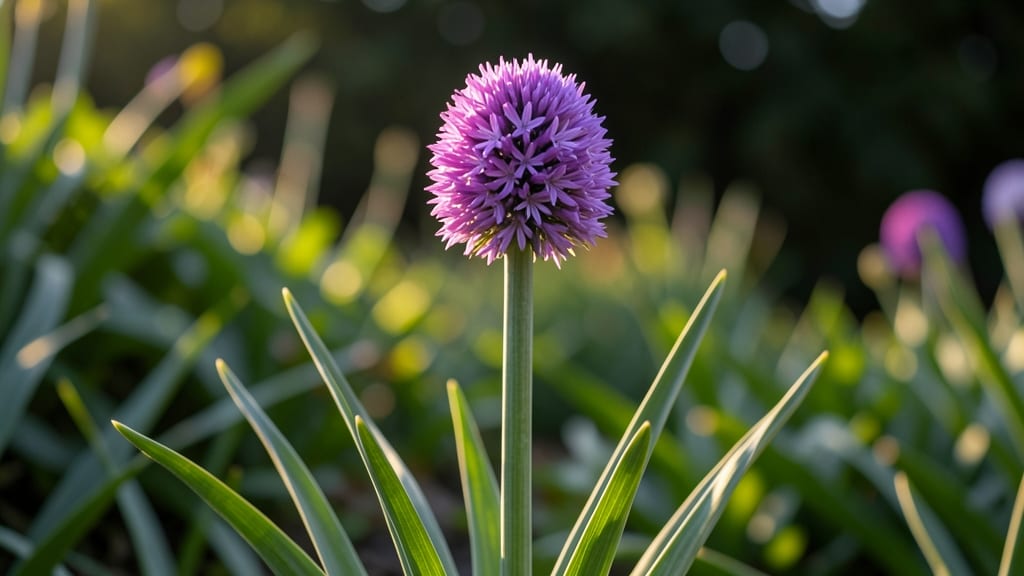
If you want to turn heads in your garden without the fuss of high-maintenance plants, Globemaster alliums are your secret weapon. These architectural powerhouses grow 3-4 feet tall, creating striking vertical lines that draw the eye upward—and they thrive in Zone 8’s mild winters with almost no care.
Plant 5-7 bulbs in clusters for maximum impact, spacing them 6-8 inches apart. They naturalize effortlessly in rocky or dry soils, making them perfect for slopes, borders, or even containers. The spherical blooms also attract pollinators like bees and butterflies, giving your garden both beauty and function.
Ideal for cottage gardens, modern landscapes, or pollinator-friendly spaces, these alliums reward you with year-round interest—even the dried seed heads add texture through winter. 🌟
Crocus for Winter Interest
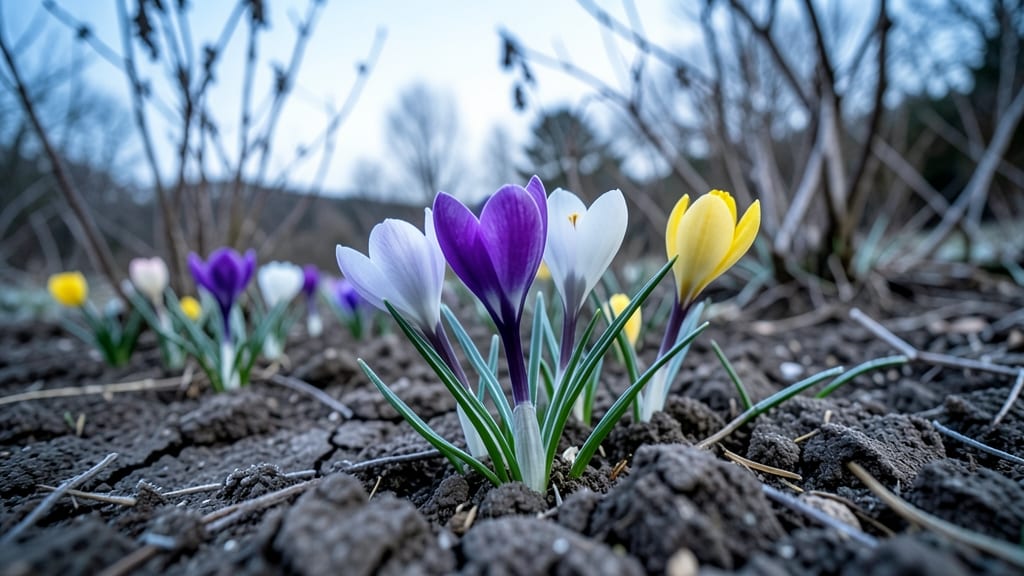
When your garden looks like a blank canvas in winter, crocus steps in as the unsung hero—pushing through cold soil to deliver vibrant purple, white, or yellow blooms when most plants are dormant. These hardy bulbs are perfect for Zone 8’s mild winters, offering early color and a vital food source for emerging pollinators.
Plant them in late fall (October-November) at a depth of 3-4 inches, spacing 2-3 inches apart. Their shallow roots make them ideal for lawns or under shrubs where deeper bulbs might struggle. Choose varieties like 'Early Giant' or 'Tommasinianus' for reliable winter blooms, and avoid heavy mulch to prevent rot.
Urban gardeners and pollinator enthusiasts will love crocus—they’re low-maintenance, deer-resistant, and create a stunning carpet of color with minimal effort. Just remember: the earlier they bloom, the sooner spring feels within reach! 🌱
Hyacinths for Fragrant Clusters
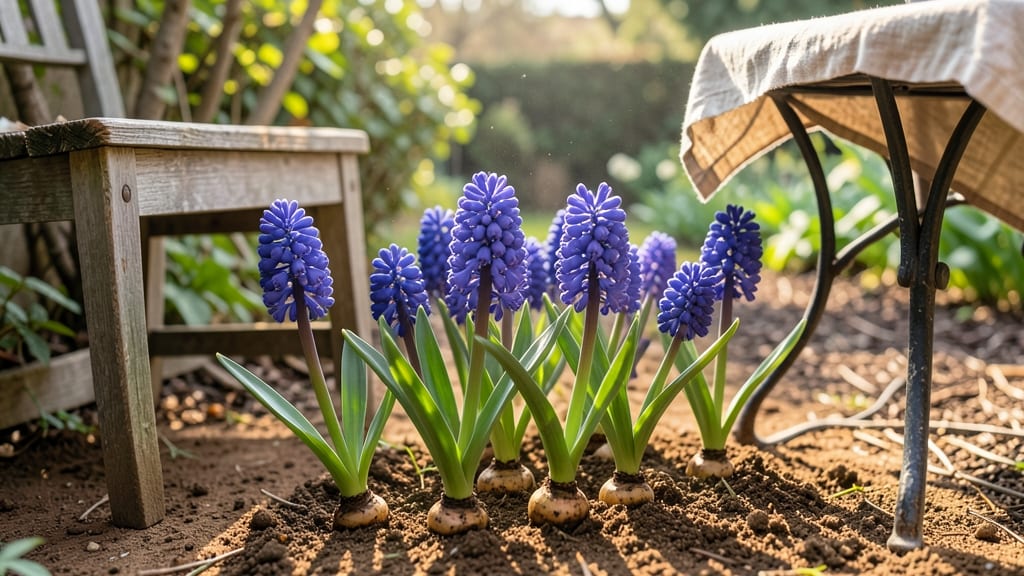
If you crave a garden that smells like spring before the season even arrives, hyacinths are your secret weapon. Their intensely sweet fragrance fills the air for weeks, making them perfect for small patios or cozy corners where you’ll linger.
Plant these bulbs in well-drained soil with a light application of balanced fertilizer (like 5-10-10) at planting time—this jumpstarts root growth for bigger, more fragrant blooms next year. Choose varieties like 'Annabel' or 'Woodstock' for their reliable performance in Zone 8’s mild winters. Just 3-5 bulbs in a container or garden bed will create a fragrant focal point.
Urban gardeners and small-space planners will love how hyacinths deliver maximum scent with minimal footprint. Their early spring blooms also attract pollinators before other flowers emerge. 🌷
Lilies for Late Summer Drama
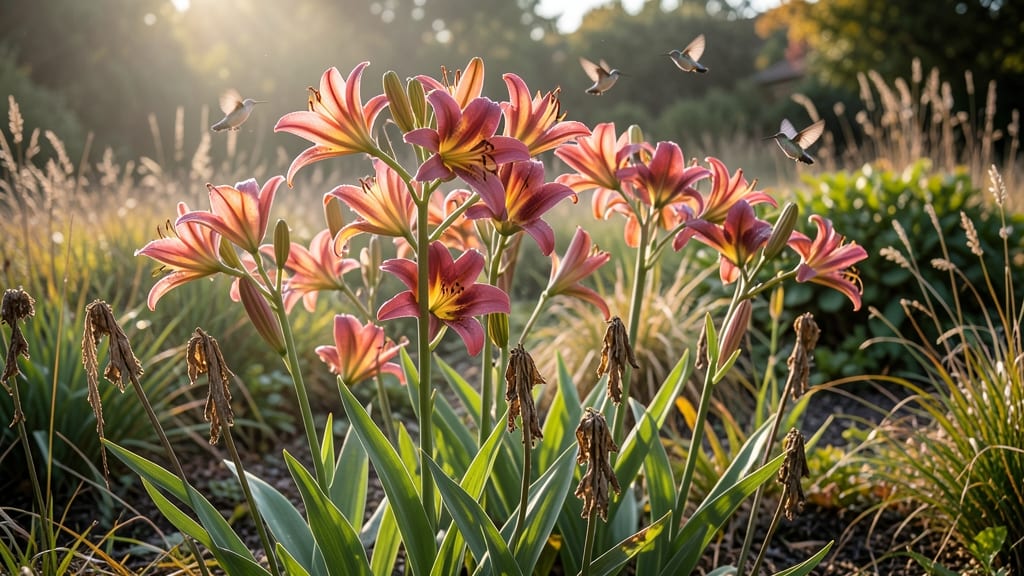
When your spring bloomers start to fade, Oriental lilies step in to steal the show with their late-summer spectacle. These dramatic blooms appear in August and September, just when many gardens feel tired—adding height, color, and a burst of energy that hummingbirds can't resist.
For the best results, plant them in full sun with compost-enriched soil that drains well but retains moisture. Their deep, velvety petals come in stunning colors like deep red, pink, and white, and they thrive in Zone 8's mild winters. A little mulch around the base helps protect their roots while keeping the soil cool.
Perfect for gardeners who want long-lasting drama with minimal fuss, these lilies multiply over time and return year after year. They're especially rewarding for those with late-season gardens or pollinator-friendly spaces. 🌻
Fritillaria for Unique Checkered Blooms
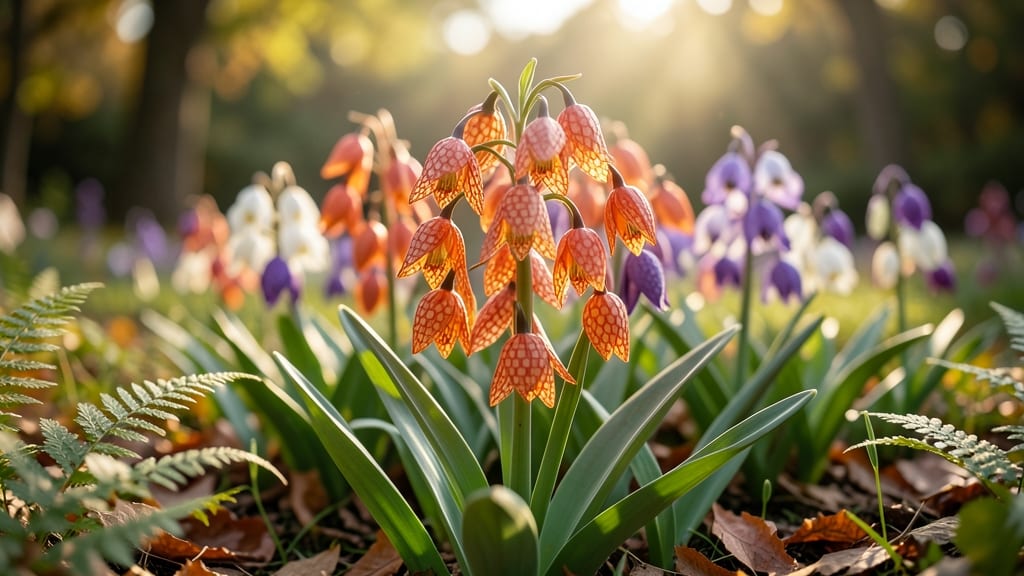
If you crave exotic blooms that look like they belong in a fairy tale, fritillaria delivers with its checkered, bell-shaped flowers in shades of orange, white, and purple. Unlike other bulbs, these striking beauties thrive in Zone 8’s mild winters and reward you with self-seeding colonies over time.
Plant fritillaria bulbs 4-6 inches deep in well-drained soil under dappled shade—think woodland edges or cottage garden borders. Their delicate foliage emerges early spring, followed by nodding blooms that sway in the breeze. Avoid overwatering, as soggy soil can rot the bulbs, but they’re otherwise low-maintenance once established.
Perfect for gardeners who love unusual textures and want to create a whimsical, naturalized look, fritillaria adds drama without the fuss of annual replanting. 🌷
Dutch Iris for Drought Tolerance
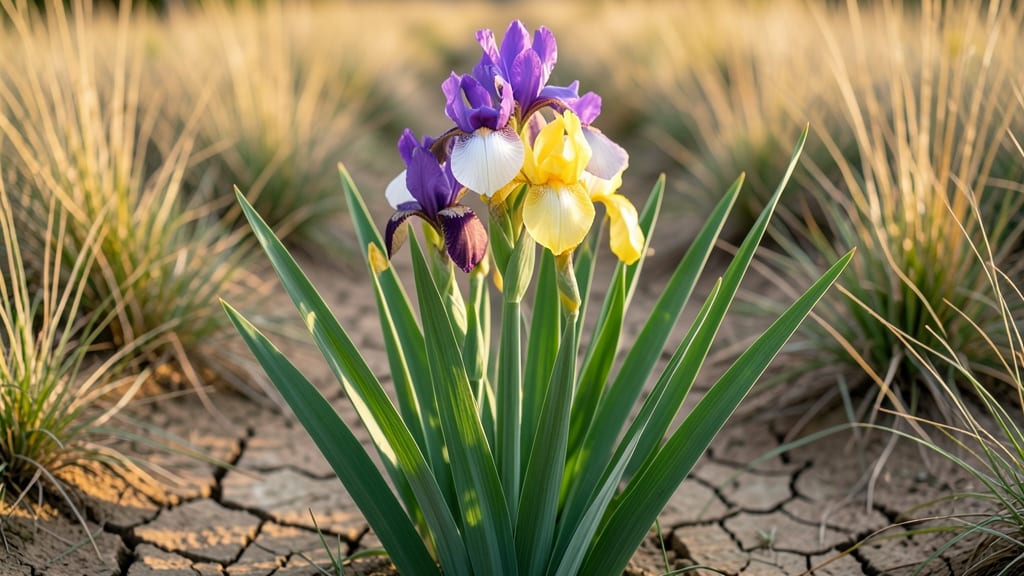
If you're looking for low-maintenance bulbs that thrive in Zone 8’s dry conditions, Dutch iris deliver striking vertical drama with minimal fuss. Their sword-like foliage adds texture year-round, while vibrant blooms in purple, yellow, or white emerge reliably each spring—even in drought-prone areas.
Plant these bulbs in full sun with well-drained soil, spacing them 6 inches apart. The secret to their longevity? Divide congested clumps every 3-4 years in early summer to prevent overcrowding and keep blooms robust. They’re perfect for rock gardens, borders, or containers, where their upright form contrasts beautifully with low-growing plants.
Urban gardeners and water-conscious growers will love how drought-tolerant Dutch iris are—once established, they require little extra care beyond occasional division. Their early spring blooms also provide crucial nectar for emerging pollinators. 🌻
Snowdrops for Early Bloomers
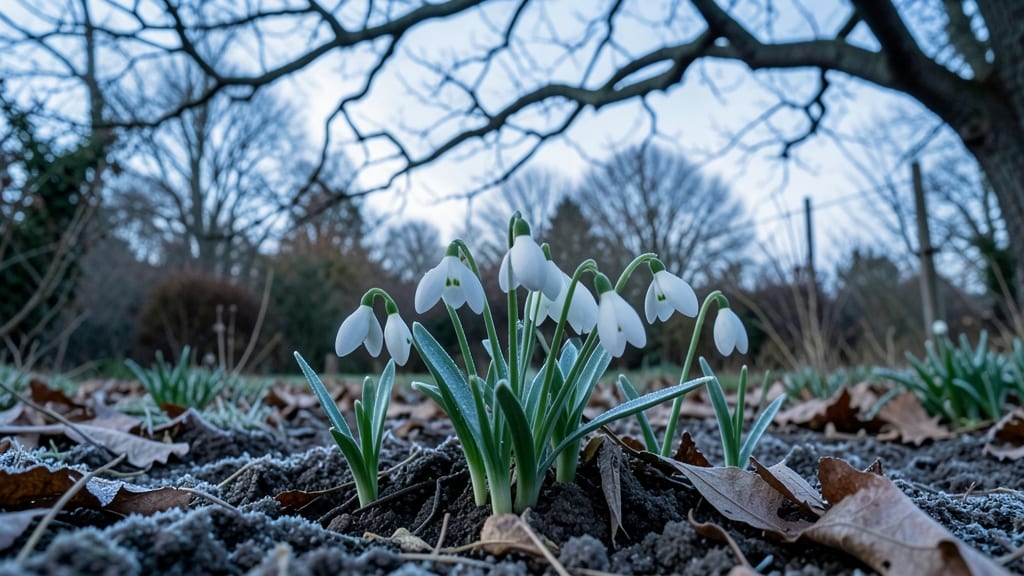
When winter feels endless and your garden lies dormant, snowdrops arrive like tiny messengers of spring—delicate white blooms that push through frozen soil as early as February in Zone 8. These hardy perennials thrive where others falter, making them perfect for shaded spots under trees where sunlight is scarce.
Plant snowdrop bulbs 2-3 inches deep in well-draining soil, and they’ll reward you with year-round greenery and cheerful blooms for decades. Their low-maintenance nature means no staking, fertilizing, or fussing—just naturalize them in woodland gardens, borders, or even containers for a touch of early magic. Deer and rodents typically avoid them, too!
Ideal for gardeners who love low-light areas or want to extend their season, snowdrops bring hope and beauty when the world is still gray. Plant them now for a surprise that feels like spring’s first hug. ✨
Rain Lilies for Low-Water Gardens

If you're dreaming of a garden that thrives on nature's schedule rather than your watering can, rain lilies (Zephyranthes) are your perfect partner. These charming bulbs burst into bloom after rainfall, turning your landscape into a self-watering wonderland with minimal effort from you.
Native to warm climates like Zone 8, rain lilies are drought-tolerant and deer-resistant, making them ideal for xeriscaping or pollinator-friendly gardens. Plant their small bulbs just 2 inches deep in well-drained soil, and they’ll reward you with clusters of orange, pink, or white flowers that appear magically after spring showers. Their grass-like foliage stays evergreen, adding texture year-round.
Perfect for beginners or busy gardeners, rain lilies multiply effortlessly and thrive in full sun to partial shade. They’re especially great for containers or rocky areas where other plants struggle. Let nature water them—you’ll love the results! 🌻