
Plants
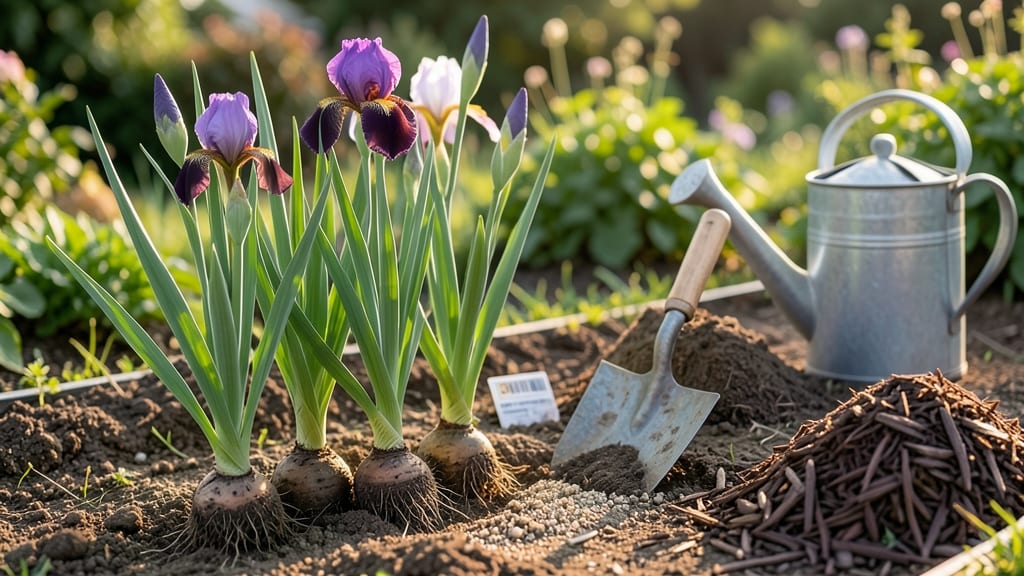
Planting iris bulbs in Zone 9 during late fall to early winter unlocks their full potential for stunning spring blooms 💜 — the key to thriving iris in warm climates.
Struggling to get your iris bulbs to thrive in Zone 9’s warm climate? Planting at the wrong time can mean missed blooms—or worse, bulbs that never return.
The secret to year-round iris beauty lies in mastering the perfect fall planting window, when soil temperatures hover between 60-70°F and the risk of early frost is minimal.
Unlike cooler zones, Zone 9 gardeners must work with a shorter window—typically October through December—to ensure bulbs establish roots before summer’s heat arrives. Miss this timing, and you risk bulbs drying out or rotting before they even bloom.
Inside, I’ll walk you through the exact fall planting dates for your region, soil prep tips to prevent overheating, and how to space rhizomes for maximum airflow—so your iris not only survive but thrive year after year.
Best fall planting window for Zone 9 iris bulbs (with exact dates)
Zone 9 gardeners know the struggle: plant iris bulbs too early, and they rot in the heat; too late, and they don’t establish roots before summer returns.
The sweet spot for planting iris rhizomes lies in late fall, when soil temperatures drop to 60-70°F—ideal for root growth without summer’s scorching heat. This window ensures your irises bloom earlier and more vigorously next spring.
Unlike cooler zones, Zone 9’s microclimates create regional variations. Coastal areas like San Diego may plant as late as December, while inland Phoenix should aim for October-November. Florida’s tropical heat extends the window slightly, but avoid planting after December 15 to prevent summer stress.
Here’s the golden rule: Plant when daytime highs consistently stay below 85°F and soil moisture remains steady. Use a soil thermometer—60-70°F is your target range. This ensures rhizomes establish roots before summer’s return, setting the stage for next year’s stunning blooms.
If you miss the ideal window, don’t panic. Zone 9’s early fall (September) can work for hardy varieties like ‘Florence Sullivan,’ but expect slower establishment. For late plantings, use shade cloth to protect rhizomes until roots form.
My pro tip: Soak bulbs in lukewarm water for 24 hours before planting to kickstart root growth.
Your planting depth matters more in Zone 9 than in cooler climates. Bury rhizomes halfway (top half exposed) in well-draining soil. Heavy clay? Amend with sand or perlite to prevent rot. Space rhizomes 12–18 inches apart—crowding leads to pale, weak blooms.
After planting, mulch generously with straw or wood chips (3 inches deep) to insulate roots and retain moisture. This is critical in Zone 9’s dry spells. Water deeply but infrequently—aim for 1 inch per week. Overwatering in fall can drown rhizomes before they establish.
Watch for early signs of stress: yellowing leaves or soft rhizomes signal too much moisture. Adjust by reducing water and improving drainage. In coastal areas, salt spray can damage foliage—rinse plants occasionally with fresh water.
With the right timing and care, your irises will reward you with bold, long-lasting blooms next spring.
Pro tip: Mark your planting dates on a garden calendar. This helps you stagger varieties for continuous color. For example, plant ‘Professor Bluestem’ in October and ‘Florence Sullivan’ in November to extend your blooming season from spring to early summer.
Remember, Zone 9’s warm winters mean no dormancy period like cooler zones. Your irises will grow year-round, but the fall planting window is your best shot at strong, healthy rhizomes ready to shine. Happy planting!
5 Critical mistakes that ruin iris planting in warm climates (and how to avoid them)
Planting iris bulbs in Zone 9 feels like walking a tightrope—too early, and the heat zaps their energy; too late, and they miss the fall moisture they crave. I’ve seen iris rhizomes wither from overheating or rot from poor drainage because gardeners missed these common pitfalls.
Let’s fix that with actionable fixes tailored for your warm climate.
First, many gardeners rush to plant iris bulbs as soon as they arrive in stores, often in early September. But Zone 9’s pre-monsoon heat can bake the soil, causing rhizomes to dry out before roots establish. The key is patience—wait until soil temps drop below 80°F (usually mid-October).
⚠️ callout-warning ⚠️
Zone 9’s September heat (often 90°F+) stresses iris rhizomes before roots form. Fix: Wait until soil temps drop below 80°F (test with a soil thermometer) and humidity rises—typically mid-October. For coastal areas, aim for November to avoid summer rains that promote rot.
Next, even experienced gardeners overlook soil moisture needs. Iris rhizomes need consistent dampness for root growth, but Zone 9’s sandy soils drain too quickly. I’ve seen bulbs fail because they were planted in bone-dry ground.
The solution? Amend soil with 30% compost and water deeply every 3-4 days until roots establish (about 6 weeks).
Another common error is skipping mulch. Without protection, Zone 9’s winter sun can bake rhizomes, while summer rains cause rot. My go-to fix? Apply 3 inches of straw mulch after planting.
It keeps roots cool in summer, retains moisture, and prevents soil-borne diseases. Just avoid piling mulch directly against rhizomes—leave a 1-inch gap for airflow.
Lastly, many gardeners bury iris rhizomes too deeply, thinking they’re like tulip bulbs. But irises need half their height exposed to prevent rot. Dig a trench, lay rhizomes with the top half visible, and cover with 2 inches of soil.
In heavy clay soils, add perlite to improve drainage—this is non-negotiable in Zone 9.
By avoiding these mistakes, your iris blooms will reward you with vibrant color from winter to spring. Start with the right timing, then focus on moisture, mulch, and depth. Your garden—and your irises—will thank you! 🌱