
Planting
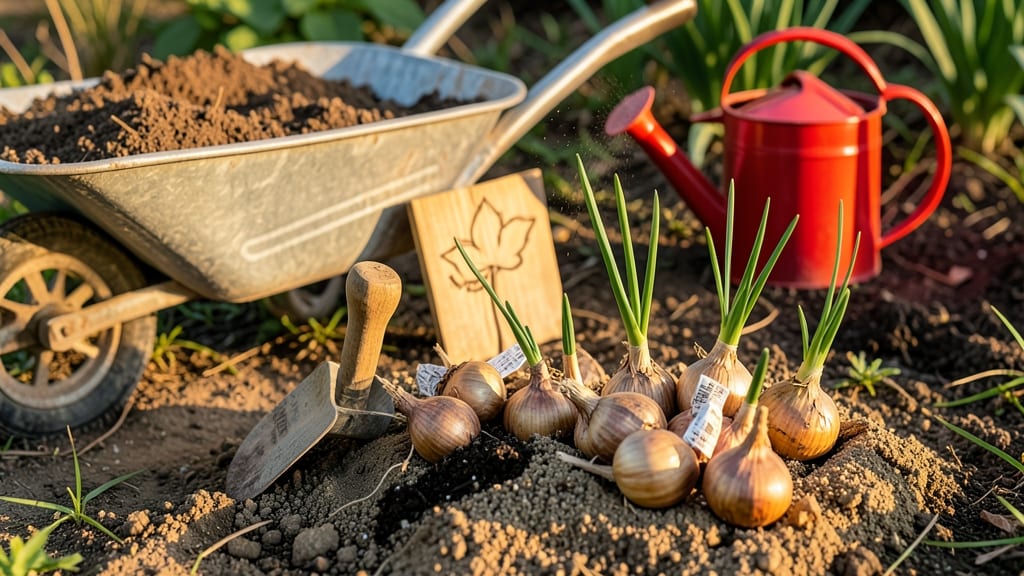
Planting daffodil bulbs now depends on where you live and when your first frost arrives — timing is everything for those bright spring blooms.
Wondering if your daffodil bulbs can wait another month? Planting at the wrong time can mean weak blooms—or no flowers at all. In USDA Zone 6a, like much of the Midwest, the ideal window is September through November, when the soil is cool but still workable.
If you're in the fall but outside that range, check your local frost dates: bulbs need 4-6 weeks in the ground before the first hard freeze. Too early, and they’ll rot; too late, and they won’t root in time for spring.
Below, I’ll break down the exact months for your zone, plus soil prep tips and depth tricks to ensure your 🌼 daffodils burst into color next spring—no guesswork included.


Best months to plant daffodil bulbs by USDA zone: exact timeline
Timing is everything when planting daffodil bulbs. These hardy perennials thrive when planted in fall, giving roots time to establish before winter. But the exact window depends on your USDA hardiness zone. Plant too early, and bulbs may sprout prematurely; too late, and frost can damage them.
Let’s break down the ideal planting months for zones 3 through 10, including adjustments for late-season planting and frost risks.
Northern climates (zones 3-6) have shorter growing seasons, so bulbs must go in the ground 4-6 weeks before the first frost. Southern zones (zones 7-10) can plant later, but avoid extreme heat or drought.
Below, you’ll find a zone-by-zone guide to ensure your daffodils bloom beautifully next spring.
⚠️ Critical Note: If you’re asking, "Can I plant daffodil bulbs now?" the answer depends on your zone and current conditions. Use this table to check your timing, then read on for frost risk adjustments and late-season hacks.
| USDA Zone | Best Planting Month | Frost Risk Window | Late-Season Adjustment |
|---|---|---|---|
| Zones 3-4 | September 15 - October 15 | Late Oct - Nov 15 | Plant by Nov 1 if soil is workable |
| Zones 5-6 | October 1 - November 1 | Nov 1 - Dec 1 | Use mulch to protect bulbs |
| Zones 7-8 | November 1 - December 15 | Dec 15 - Jan 15 | Avoid planting after Dec 20 |
| Zones 9-10 | December 1 - January 15 | Minimal frost risk | Plant in cooler months only |
For zones 3-6, aim to plant daffodil bulbs in late September or October. This gives roots time to establish before the ground freezes. If you’re in zone 4 and your first frost hits November 15, plant by October 15 to avoid stress.
Use a soil thermometer to check if temperatures are below 50°F (10°C)—if so, wait until soil cools.
In zones 7-10, you have more flexibility. Southern gardeners can plant as late as December, but avoid extreme heat. If you’re in zone 9 or 10 and temperatures stay mild, bulbs may sprout too early. Plant in shaded areas or use container gardens to delay sprouting until spring.
If your daffodil bulbs arrive early and you’re not ready to plant, store them in a cool, dry place (like a garage or basement) at 40-50°F (4-10°C)rot. For late arrivals, plant as soon as possible and mulch heavily to protect roots from freezing temperatures.
Pro tip: If you’re unsure whether to plant now, dig a small hole and check soil temperature. Bulbs need 4-6 weeks to root before frost. In zone 5, for example, if your last frost is November 15, plant by October 1.
Use this 6-week rule as your guide for all zones.
For container gardening, adjust timing slightly. Pots warm up faster, so plant 2 weeks earlier than in-ground bulbs. If you’re in zone 6 and planting in containers, aim for September 15 instead of October. Always use well-draining soil to prevent bulb rot.
Remember: Daffodils planted in fall will reward you with vibrant spring blooms. But if you miss the window, don’t despair—late-season planting can still work with the right adjustments. Next up, we’ll cover 5 critical signs your bulbs aren’t ready to plant (and what to do instead).
5 Critical signs your daffodil bulbs aren’t ready to plant (and what to do instead)
If you’ve just received your daffodil bulbs and are eager to plant them, hold on! Not all bulbs are ready for the ground. Planting too early can lead to rot, weak growth, or even no blooms at all.
These 5 red flags mean your bulbs need extra care—or a delay—before they’re ready for planting.
Daffodil bulbs should be firm, dry, and free of damage. If they’ve been stored improperly or arrived too early, they may show signs of spoilage. Ignoring these warnings can turn your spring dreams into a gardening disaster. Let’s dive into the key indicators that your bulbs aren’t ready yet.
-
1. Soft or Squeezable Bulbs
Press a bulb gently—if it feels mushy or squishy, it’s already sprouting or rotting. Healthy bulbs should be firm like a baseball. -
2. Visible Mold or Fuzz
Any green, white, or black fuzz means mold has taken hold. Toss these bulbs—they won’t survive planting. -
3. Shriveled or Wrinkled Skin
Bulbs that look dried out or leathery have lost moisture. Rehydrate them in a cool, dark place for 24 hours before planting. -
4. Sprouts Longer Than 2 Inches
If shoots are already taller than your thumb, the bulb has been stored too long or planted too early. Trim sprouts to 1 inch and replant immediately. -
5. Unpleasant Odor
A sour or rotten smell is a clear sign of decay. Discard these bulbs—they’re beyond saving.
If your bulbs show any of these signs, don’t panic! Soft or moldy bulbs can sometimes be saved with quick action.
Place them in a paper bag with a few dry cat litter or perlite to absorb moisture, then store them in a cool, dark place (like a garage) for 1-2 weeks. This gives them time to recover or dry out before planting.
For bulbs with long sprouts, trim them back to 1 inch and replant immediately. The bulb will redirect energy to root growth instead of leaf development. Avoid fertilizing these bulbs for at least 4 weeks—they need time to establish roots without extra stress.
If your bulbs are firm, dry, and mold-free, they’re ready to plant! But timing is everything. In USDA Zones 3-7, aim to plant by mid-November—6 weeks before the first frost.
In warmer zones (8-10), plant by late December. Rush hour planting (after the ideal window) can still work with these late-season hacks.
Remember: Patience is key with daffodils. A little extra care now means bold, healthy blooms next spring—no weak stems or missed opportunities. Store your bulbs properly, and they’ll thank you with vibrant color and resilience for years to come. 🌼