
Companion Plants
Spring bulbs like tulips and daffodils steal the show—but their fleeting blooms leave gaps in your garden's seasonal interest. These 10 companion plants extend your garden's beauty year-round while protecting bulbs from pests and disease, creating a harmonious, low-maintenance display.
Perennial Geraniums for Summer Color
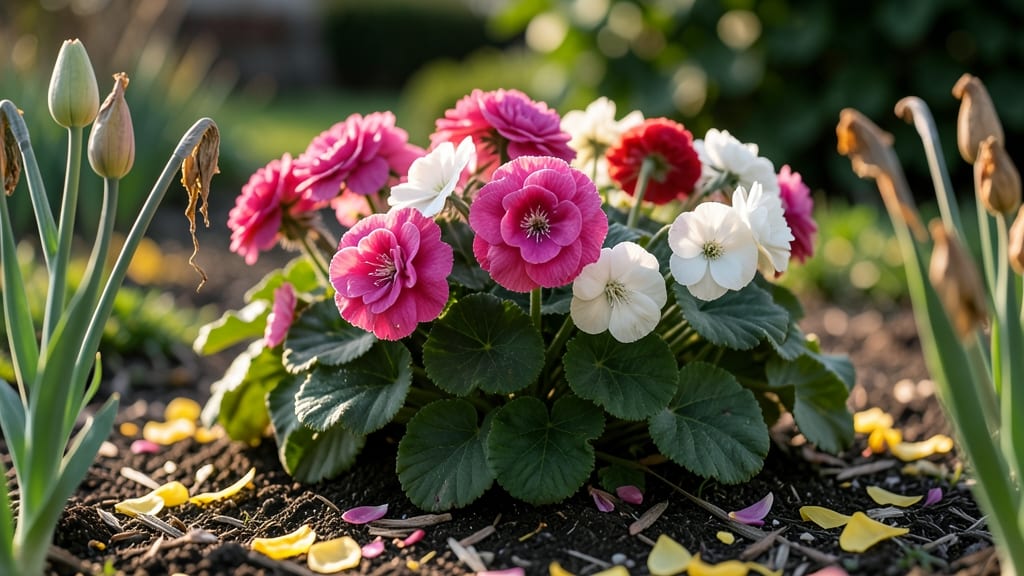
When your tulips and daffodils finish their spring show, perennial geraniums take center stage with their vibrant blooms and hardy nature. These low-growing powerhouses create a seamless transition from spring to summer, filling empty spaces while working hard to protect your bulbs.
Plant them just 6–12 inches away from bulbs to maximize their weed-suppressing and slug-deterring benefits. Varieties like 'Rozanne' or 'Johnson's Blue' thrive in full sun to part shade and bloom from early summer through fall, often reblooming with minimal deadheading. Their trailing habit also helps prevent soil erosion in slopes or borders.
Perfect for beginner gardeners or busy homeowners, these geraniums require little maintenance beyond occasional pruning and occasional watering once established. They’ll keep your garden colorful and pest-free while your bulbs rest underground. 🌻
Alliums for Pollinators and Height
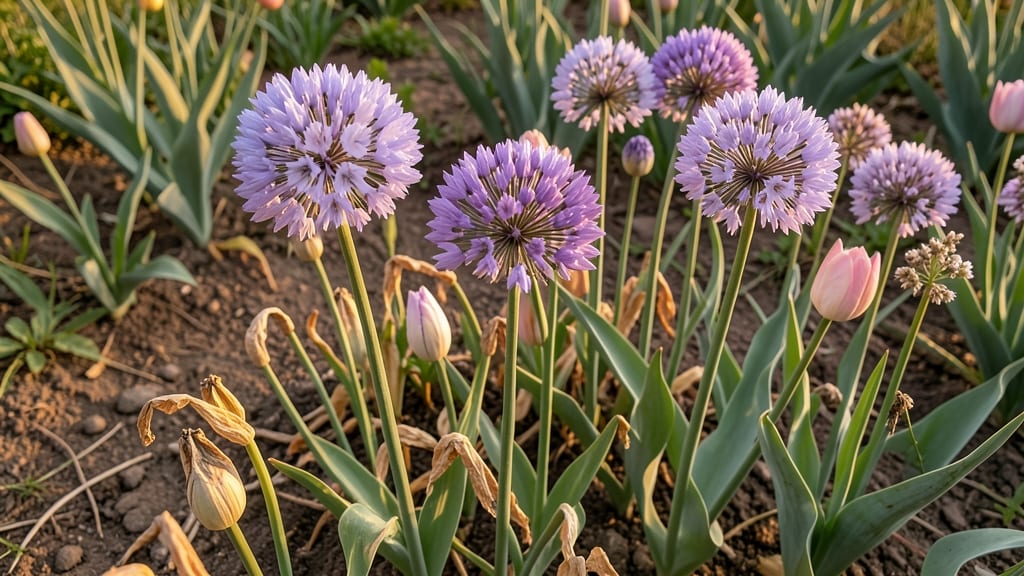
When your spring bulbs finish their show, alliums step in to create vertical drama while supporting pollinators and keeping pests at bay. These striking globe-shaped blooms—like Allium giganteum or Allium schubertii—reach heights of 2 to 4 feet, towering gracefully over shorter bulbs like tulips and daffodils.
Their spherical flowers are a magnet for bees and other beneficial insects, while their strong scent naturally deters aphids and other bulb pests. Plant them in clusters for maximum impact, spacing bulbs 6–12 inches apart in well-draining soil with full sun to partial shade. They thrive in cottage gardens, prairie-style plantings, or even containers.
Perfect for gardeners who love low-maintenance plants with high visual payoff, alliums provide structure and color from late spring through summer, bridging the gap between spring bulbs and summer bloomers. 🌟
Ferns for Shady Moisture Retention
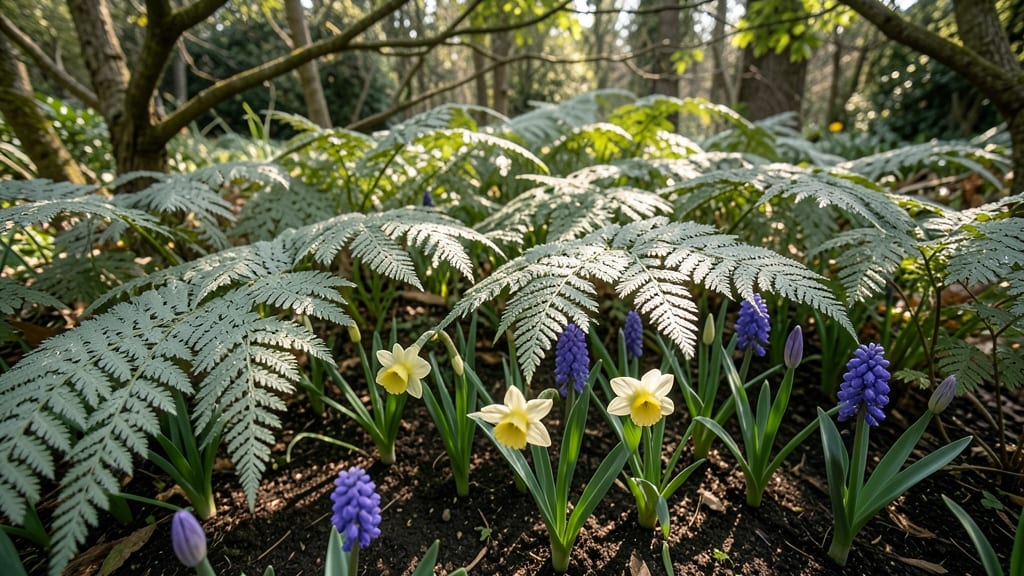
If your garden has shady spots where spring bulbs struggle to thrive, ferns like maidenhair or ostrich fern are the perfect moisture-preserving partners. Their delicate fronds create a living mulch that locks in soil moisture—critical for bulbs like daffodils and hyacinths that need consistent dampness during their early growth stages.
Plant these ferns in partial to full shade where they’ll spread gently, preventing soil erosion while adding lush texture. Their feathery foliage also contrasts beautifully with bulbs’ bold blooms, extending visual interest long after tulips fade. For best results, water lightly after planting to help them establish before spring bulbs emerge. 🌿
Lavender for Pest Deterrence
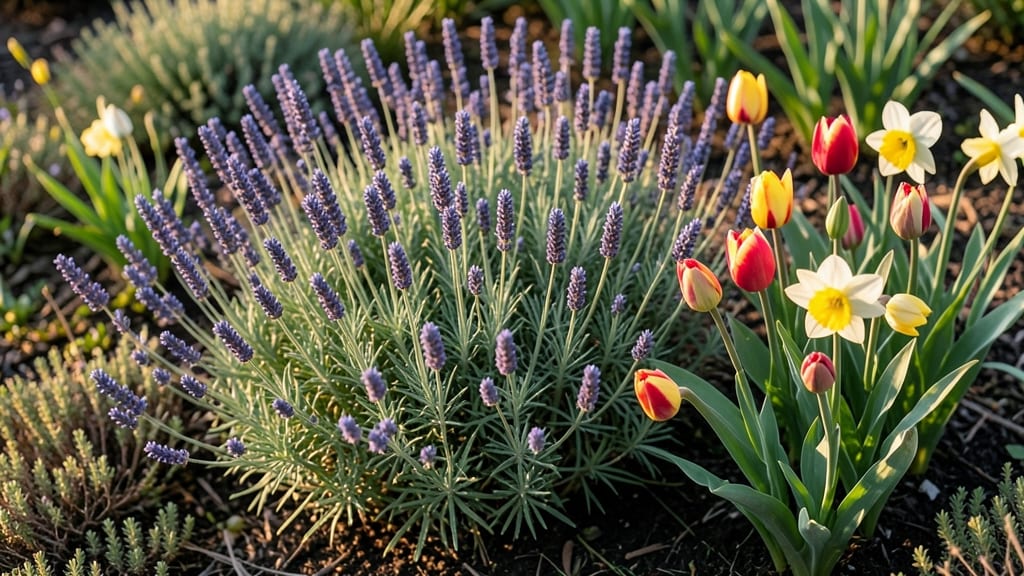
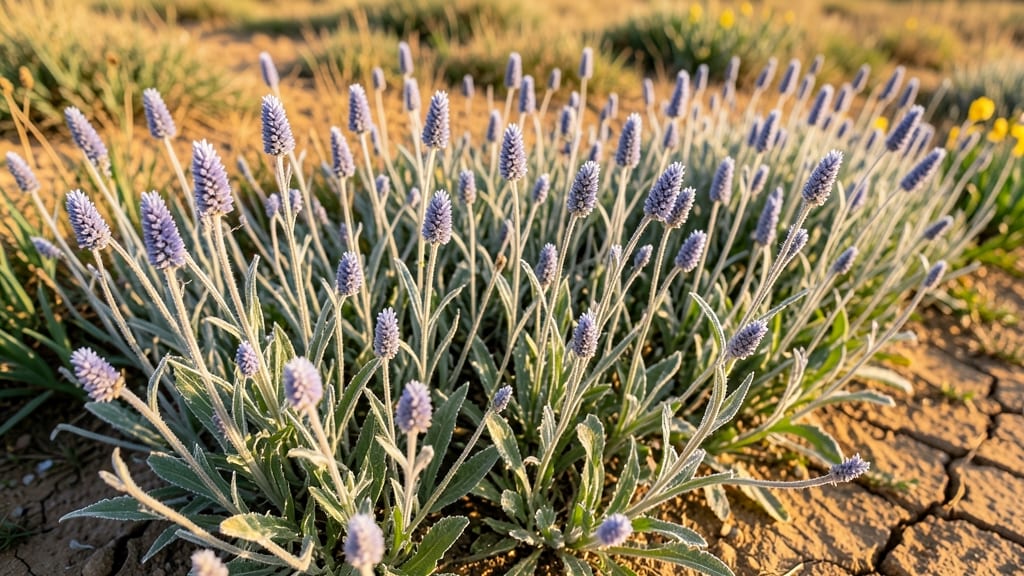
Tired of rabbits nibbling your tulips or deer trampling your daffodils? Lavender isn’t just a fragrant beauty—it’s a natural pest deterrent that works year-round. Planting this drought-tolerant perennial around your spring bulbs creates a protective barrier that repels wildlife while adding silvery foliage and purple spikes to your garden.
Lavender thrives in full sun and well-drained soil, making it ideal for sunny borders where spring bulbs like daffodils and tulips grow. Its strong scent confuses pests like rabbits and deer, while its dense growth deters smaller critters that might target bulb foliage. For best results, plant lavender 12-18 inches away from bulbs to avoid root competition.
This low-maintenance plant is perfect for gardeners who want fragrance, pest control, and drought resistance in one package. Plus, it attracts pollinators like bees, giving your garden a double benefit. 🌿
Hostas for Bulb Root Protection
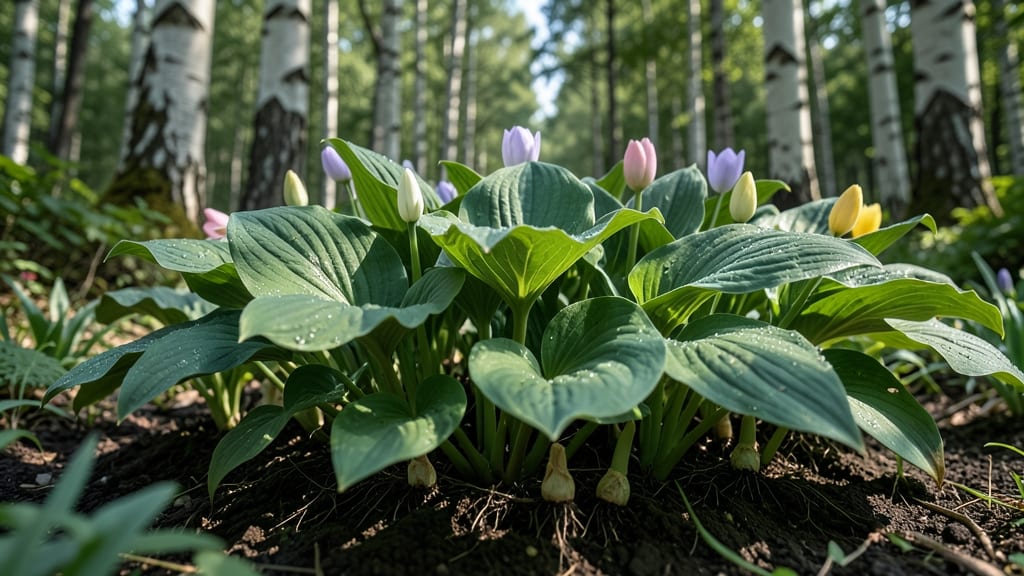
If your spring bulbs struggle with temperature swings or need extra protection in shaded woodland areas, hostas are the unsung heroes of bulb companion planting. Their broad, lush leaves create a natural blanket that stabilizes soil temperatures, shielding delicate bulb roots from both winter cold snaps and summer heat spikes.
Choose blue-green varieties like 'Blue Angel' or variegated types for striking contrast against tulips and daffodils, while their dense growth suppresses weeds and retains moisture. Plant hostas 6-12 inches away from bulbs to avoid root competition while maximizing their protective canopy. This pairing works especially well in partial to full shade, where hostas thrive while many bulbs appreciate cooler conditions.
Woodland gardeners and shade enthusiasts will love this combination—hostas provide year-round interest while their foliage frames spring blooms like a living picture. 💚
Sweet Alyssum for Early Pollinators
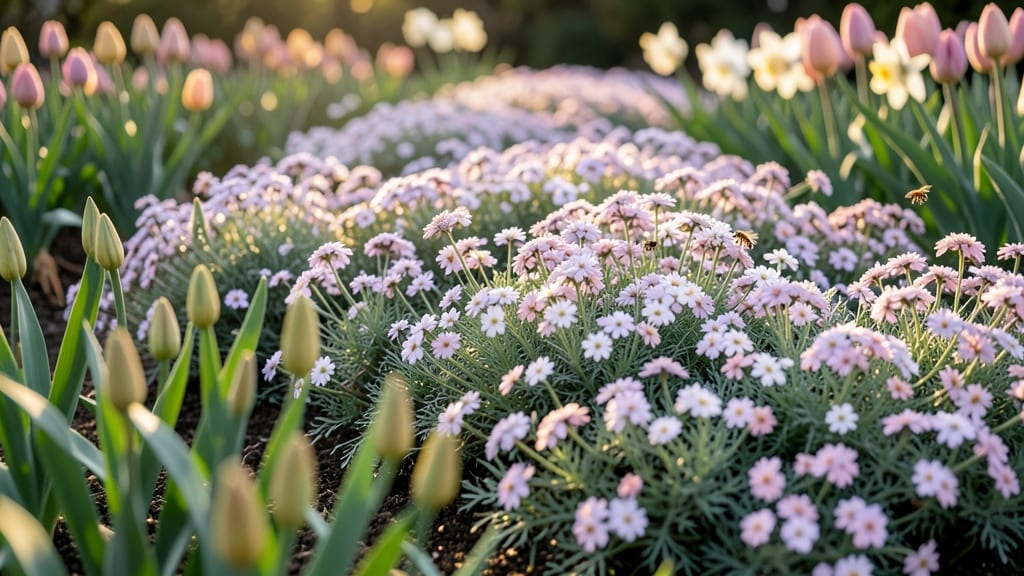
When your spring bulbs start to fade, sweet alyssum swoops in to save the season with its delicate, honey-scented blooms. This cool-weather annual thrives in early spring, creating a fragrant carpet that bridges the gap between blooming bulbs and summer flowers—while also inviting beneficial insects that naturally control bulb pests.
Sow seeds directly over your bulb beds in late winter or early spring for a low-maintenance ground cover that blooms from March through May. The tiny white, pink, or purple flowers attract hoverflies and ladybugs, which prey on aphids and other bulb pests. For best results, plant in full sun to partial shade and keep soil consistently moist until established.
This is the perfect companion for gardeners who want to extend their spring display without extra work. Sweet alyssum’s self-seeding habit means you’ll get even more coverage next year! 🌿
Catmint for Long-Blooming Drought Resistance
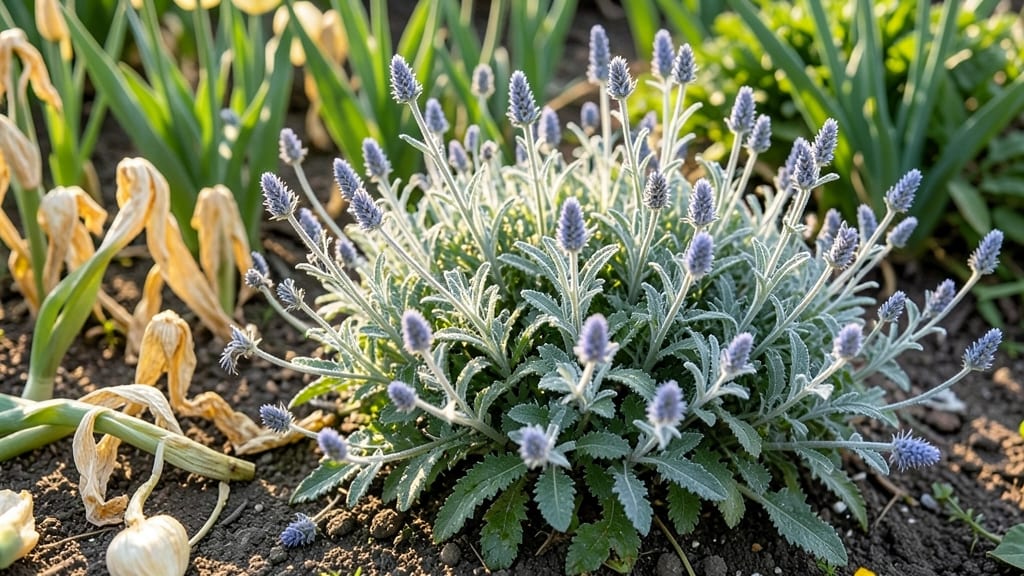
When your tulips and daffodils fade in late spring, catmint steps in to keep your garden vibrant—without demanding extra water or care. This drought-tolerant perennial thrives in poor soil and blooms from early summer through fall, making it a perfect bridge between spring bulbs and late-season flowers.
Catmint’s silvery foliage and lavender-blue spikes attract butterflies while repelling deer and rabbits, giving you year-round pest protection. Plant it in full sun to part shade, and it’ll spread gently to fill gaps left by fading bulbs. Prune back spent blooms in early fall to encourage a second flush of flowers for even longer color.
This low-maintenance workhorse is ideal for urban gardens or drought-prone areas where water conservation is key. 🌿
Chives for Natural Pest Control
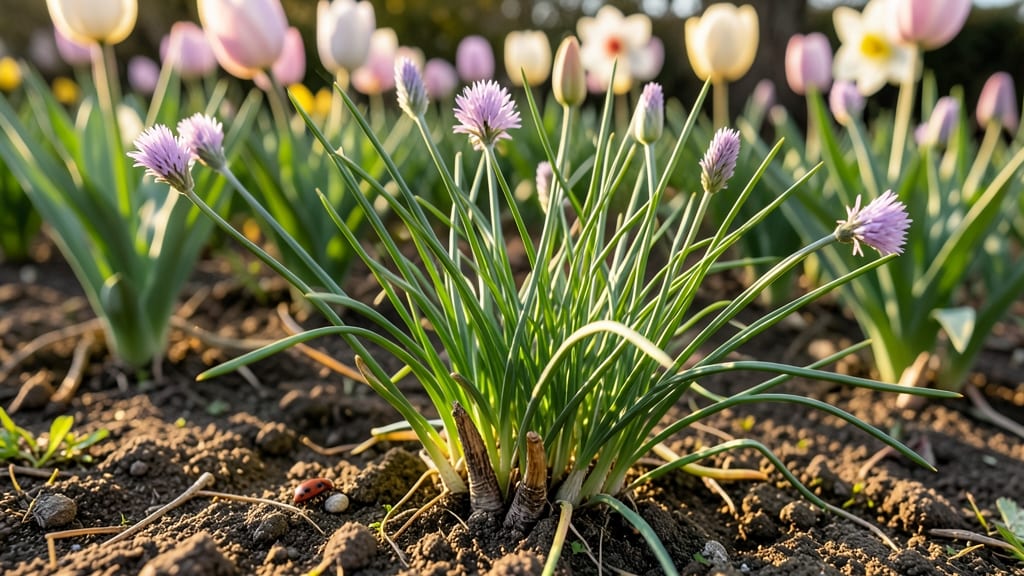
Want a plant that doubles as both a pest repellent and a kitchen staple? Chives are the ultimate spring garden multitasker—naturally deterring aphids and Japanese beetles while providing fresh, edible greens when your spring bulbs are just waking up.
This hardy perennial thrives in full sun to partial shade, making it perfect for borders where tulips or daffodils emerge. Simply plant chives around your bulbs in early spring—their strong scent confuses pests, while their delicate purple flowers add a pretty contrast. You’ll get two harvests per year: snip leaves for cooking in early spring, then again in fall.
Kitchen gardeners and small-space growers will love chives—they’re easy to divide, grow in containers, and even improve soil health. Plus, their year-round pest protection means fewer chemicals and more blooms. 🌱
Coral Bells for Seasonal Foliage Interest
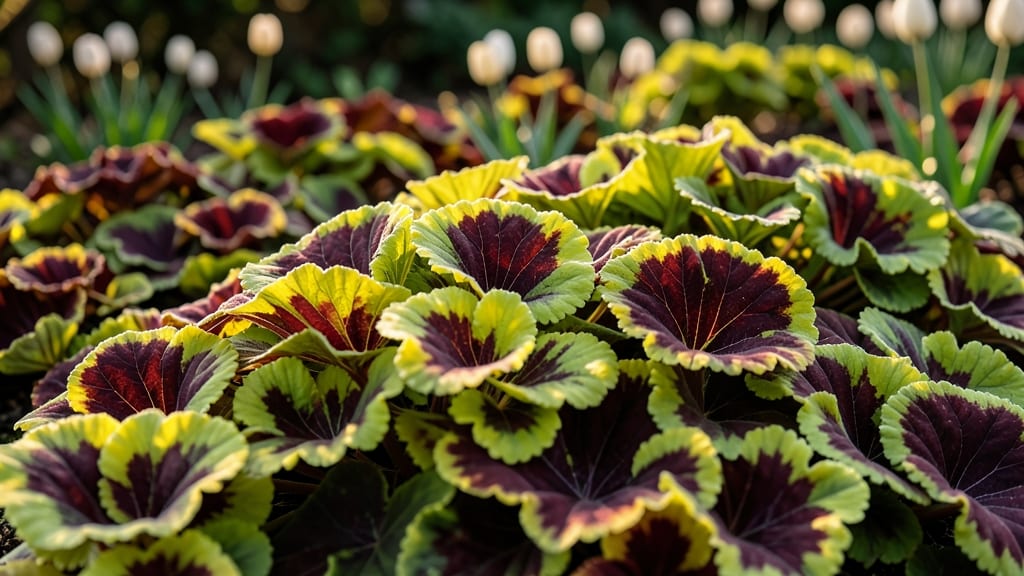
When your spring bulbs fade but you refuse to let your garden go dormant, Heuchera (coral bells) swoops in with year-round foliage color that outshines seasonal blooms. These shade-tolerant perennials come in every hue from lime green to deep burgundy, creating a living tapestry that pairs beautifully with tulips and daffodils.
Plant Heuchera varieties like 'Palace Purple' or 'Lime Rickey' just 6-12 inches from bulbs to fill gaps while their delicate spring flowers attract hummingbirds. Their shallow roots won't compete with bulbs for nutrients, and they thrive in containers or borders with morning sun to partial shade—ideal for urban gardens where space is limited.
Urban gardeners and small-space growers will love how coral bells maintain their striking foliage even when other plants go dormant, creating a low-maintenance focal point that complements spring bulbs year-round. 💚
Russian Sage for Late-Season Structure

When your spring bulbs fade, Russian sage steps in to save the season with its airy, silvery-blue spikes that bloom from mid-summer through fall. This drought-tolerant workhorse thrives in hot, dry conditions where many companions struggle, making it ideal for sunny borders where tulips and daffodils once reigned.
Plant it 18-24 inches from bulbs to create vertical contrast—its aromatic foliage deters pests like aphids and rabbits while attracting pollinators. The silvery-gray leaves provide striking contrast against spring bulb foliage, and its late-season blooms extend your garden's interest well past Memorial Day. Prune back in early spring to encourage fresh growth.
Perfect for low-maintenance gardeners and xeric landscapes, Russian sage offers both structure and pest protection without demanding extra water or attention. 🌻