
How To
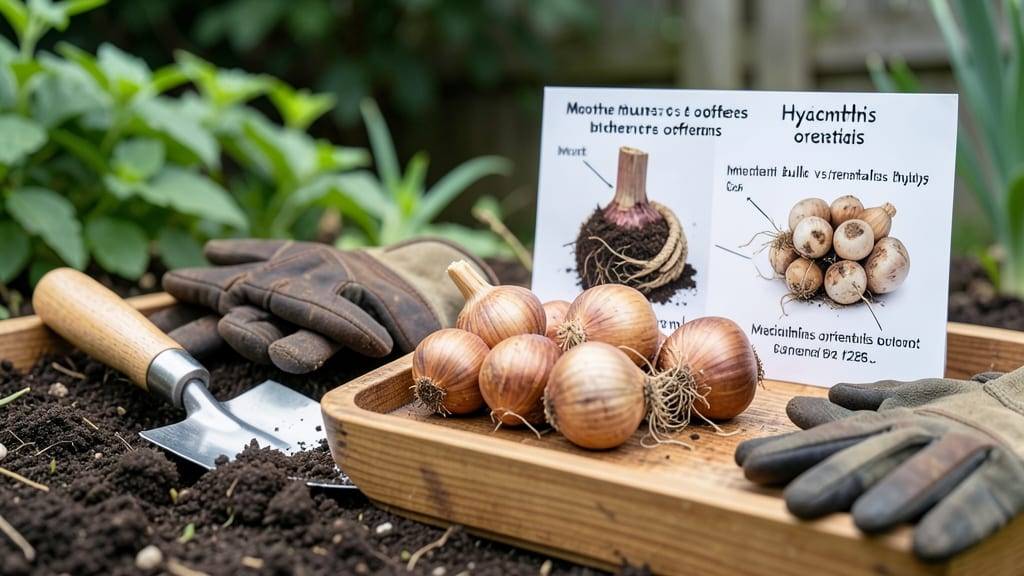
Yes, hyacinth bulbs multiply over time by producing offsets—smaller bulbs that form around the parent bulb. With proper care, including well-draining soil and consistent moisture, these clusters expand yearly. For best results, divide and replant every 3-5 years to maintain healthy growth and vibrant blooms.
Hyacinths are natural reproducers, creating offsets as a survival strategy. 🌱 These tiny bulbs grow from the base of the parent bulb, often appearing after the plant finishes flowering. The key to encouraging this process is providing the right conditions—like loose, nutrient-rich soil and a sunny spot.
I’ve noticed that bulbs in containers tend to multiply faster because the roots have more space to spread horizontally.
When the cluster becomes overcrowded, the offsets compete for nutrients, which can weaken both the parent bulb and the new ones. That’s why dividing them every few years isn’t just good practice—it’s essential for keeping your hyacinths thriving.
Just be patient: new offsets take about 2-3 years to mature enough to bloom on their own.
💡 In This Article
- How Hyacinth Bulb Offsets Form and Grow
- When and How to Divide Hyacinth Bulbs for Optimal Growth
How hyacinth bulb offsets form and grow
Hyacinth bulbs multiply through a fascinating biological process where offsets—small daughter bulbs—develop from the basal plate of the parent bulb. This happens during the plant's dormant phase, typically after flowering when the foliage has died back.
The parent bulb allocates energy to produce these offsets, which grow outward like tiny buds around the base. Think of it as the bulb's way of creating insurance for the next generation—if the parent bulb fails, the offsets have a chance to thrive.
The growth rate of these offsets depends heavily on two factors: soil quality and temperature conditions. Well-draining soil with a pH between 6.0-7.0 provides the ideal environment for offset development. In cooler climates (USDA zones 3-8), offsets mature more slowly, often taking 2-3 years to reach flowering size.
Meanwhile, in warmer regions, they may develop faster but require careful moisture control to prevent rot. The key is keeping the soil consistently moist but never soggy—offsets need hydration but hate waterlogged conditions.
Dormancy plays a crucial role in this process. After flowering, the parent bulb enters a resting phase where it stores energy for next year's growth. During this time, offsets begin forming at the bulb's base.
What most gardeners don't realize is that these offsets need 6-8 weeks of dry dormancy after foliage dies back to properly mature. This resting period allows the parent bulb to transfer nutrients to the offsets, ensuring they're strong enough for future growth.
Skipping this dormancy period can result in weak, underdeveloped offsets.
Here's what's happening at the cellular level: The basal plate of the parent bulb contains meristematic cells that can differentiate into new bulb structures. These cells divide rapidly during the growing season, forming the offset's initial layers. As the offset grows, it develops its own protective scales and root initials.
The process is similar to how garlic cloves form from a single bulb—just on a smaller scale. In ideal conditions, a single hyacinth bulb can produce 3-5 offsets per year, though this varies by cultivar and growing conditions.
Visual clues can help you track offset development. Young offsets appear as small, firm bumps around the parent bulb's base, often 0.5-1 inch in diameter. As they mature, they'll develop their own root systems and protective papery skins.
By late summer, you should be able to gently separate these offsets from the parent bulb if you're planning to divide. The larger the offset, the better its chances of flowering in the following season—aim for offsets that are at least 1 inch in diameter for best results.
One common misconception is that offsets will automatically thrive if left undisturbed. In reality, overcrowding occurs when too many offsets compete for the same nutrients and space. This competition weakens the entire cluster, leading to smaller blooms and fewer flowers.
The natural multiplication process is a double-edged sword—while it expands your hyacinth collection, it also creates a maintenance challenge that requires regular attention. 🌿