
Planting
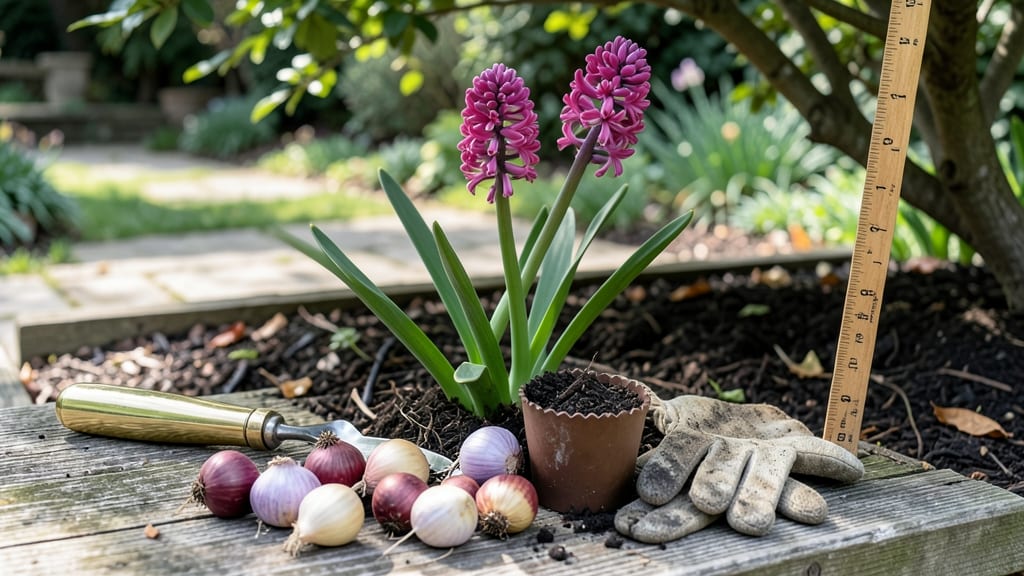
Planting hyacinth bulbs outside means fragrant purple clouds next spring—if you get the timing right. 🌱 I’ve buried dozens of these bulbs, and the difference between a thriving clump and a sad, skinny stalk comes down to two things: soil prep and frost timing.
Most gardeners rush the process, but taking 10 extra minutes now saves weeks of frustration later. The secret starts with well-draining soil—hyacinths rot faster than they bloom if left soggy.
Mix in compost or sand if your yard stays damp, then plant bulbs 6 inches deep and 4-6 inches apart in clusters of 3-5 for maximum impact. The key moment? Plant in fall, 6-8 weeks before your first frost—this gives roots time to establish before winter’s chill.
By late winter, you’ll spot green shoots pushing through the soil, followed by sturdy stems that hold those iconic bell-shaped blooms. The fragrance alone makes it worth the wait, and with proper care, these perennials return for years of color.
Just watch for slugs—they love hyacinths almost as much as you do. Works in USDA zones 3-9, though southern gardeners should plant in late fall to avoid summer heat stress. Here’s how to do it right the first time.
📚 In This Guide
- What you need
- Instructions
- Tips and common mistakes
- Wrapping up and next steps
What you need
- ● Hyacinth bulbs: Choose healthy, firm bulbs (size: 5–6 cm in diameter). Aim for 5–10 bulbs per square foot for a lush display.
- ● Garden soil: Well-draining, loamy soil (amend with compost if needed). Avoid heavy clay.
- ● Bone meal or bulb fertilizer: 1–2 tbsp per bulb (high in phosphorus for root growth).
- ● Garden trowel or bulb planter: For digging holes 6–8 inches deep (twice the bulb’s height).
- ○ Mulch (optional but recommended): 2–3 inches of straw or shredded leaves to protect bulbs in winter.
- ● Garden gloves: To keep hands clean while handling soil and bulbs.
- ● Soil thermometer: Ensure planting occurs when soil temps are below 60°F (15°C) (ideal: fall, after first frost).
- ● Pebbles or grit: A handful mixed into planting holes for extra drainage in wet climates.
- ● Stakes or labels: To mark bulb locations (hyacinths peek through snow—fun surprise!).
Step-by-step guide to planting hyacinth bulbs outside
Here’s how to plant hyacinths for vibrant spring blooms that’ll return year after year.
🌱 Step 1: Choose the Right Location and Soil
Hyacinths thrive in full sun to partial shade—pick a spot with at least 6 hours of sunlight daily. They tolerate light shade, especially in hotter climates, but too much shade delays blooming. Amend the soil with 2-3 inches of compost to improve drainage, since bulbs rot in soggy soil. Test the soil pH—hyacinths prefer slightly acidic to neutral (6.0-7.0).
If your soil is heavy clay, mix in sand or perlite to prevent waterlogging. A well-draining site ensures bulbs stay healthy through winter. I always dig a test hole first—if water pools after 10 minutes, amend the soil before planting.
🪴 Step 2: Plant Bulbs at the Correct Depth and Spacing
For 4 bulbs, dig holes 6 inches deep—this equals 3 times the bulb’s height. Space them 4-6 inches apart in all directions. Planting too shallow risks frost heave, while burying too deep delays blooms. I use a trowel to loosen the soil first, then place each bulb pointy end up (the roots will grow downward naturally).
Cover the bulbs with soil, then water lightly to settle it around the bulbs. Avoid compacting the soil—just press gently to remove air pockets. Mulch with 1-2 inches of straw or shredded leaves after planting to insulate roots in winter.
☀️ Step 3: Water and Maintain Through the First Season
Water deeply once a week after planting, keeping the soil evenly moist but not soggy. Once leaves appear in spring, reduce watering to every 10-14 days unless the weather is extremely dry. Overwatering in winter causes rot, while underwatering in summer stresses the bulbs.
Leave the foliage until it yellows and dies back naturally—this feeds the bulb for next year’s blooms. I mark planting spots with small flags so I don’t accidentally dig up the bulbs when the leaves fade. Fertilize lightly in fall with balanced 10-10-10 at half strength.
⏰ Step 4: Prepare for Winter and Encourage Return Blooms
Hyacinths are frost-hardy, but mulch heavily with 3-4 inches of straw or leaves before the first freeze. This protects bulbs from extreme cold and prevents heaving. In spring, remove the mulch once new shoots appear—3-4 weeks before last frost—to let the soil warm.
After blooming, cut back the flower stems but leave the leaves until they yellow. This ensures the bulb stores energy for next year. I’ve found that dividing clumps every 3-4 years keeps blooms vigorous—dig up bulbs in early summer, separate offsets, and replant.
Tips & tricks for perfect hyacinth planting
Common pitfalls—and how to sidestep every one—when planting these frost-resistant beauties.
Sunlight Secret: That 6 hours of sunlight daily is non-negotiable for vibrant blooms. I’ve seen hyacinths planted in partial shade still produce flowers, but they’re always smaller and less fragrant. If your yard has limited sun, consider a container where you can move them to sunnier spots during winter months. A south-facing window or balcony works well for containers.
The Soil Test: Before planting, do that 10-minute water test—if water pools after 10 minutes, your soil drains poorly. I’ve planted in clay-heavy soil before and lost bulbs to rot, so don’t skip this step. For heavy clay, mix in sand or perlite—it’s worth the extra effort for long-term bulb health. Think of it as creating a cozy, well-drained nest for your bulbs to winter in.
Planting Precision: The 6-inch depth equals exactly 3 times the bulb’s height, and this isn’t just a suggestion—it’s critical. I learned this the hard way when my first batch of hyacinths struggled because I planted them too shallow. Use a ruler or measuring tape to verify depth, especially if you’re planting multiple rows. The pointy end should always face up—it’s nature’s built-in orientation guide!
Winter Protection: That 3-4 inches of mulch before the first freeze isn’t optional—it’s your bulbs’ winter coat. I’ve seen hyacinths survive without extra mulch in mild winters, but in colder zones, the mulch makes all the difference. Use straw or shredded leaves (avoid fresh grass clippings—they can mat down and trap moisture). In extreme cold, consider adding a layer of bubble wrap or landscape fabric over the mulch for extra insulation.
Pro Tips for Planting Hyacinth Bulbs Outside
- Common pitfalls—and how to sidestep every one—when planting these frost-resistant beauties.
- Sunlight Secret: That 6 hours of sunlight daily is non-negotiable for vibrant blooms.
- The Soil Test: Before planting, do that 10-minute water test—if water pools after 10 minutes, your soil drains poorly.
Frequently asked questions
Got questions about planting hyacinth bulbs outside? You’re not alone! Here are answers to the most common concerns—from timing to troubleshooting—to help you grow stunning, frost-resistant blooms with confidence.
When is the best time to plant hyacinth bulbs outdoors?
Plant hyacinth bulbs in fall, about 6–8 weeks before the first hard frost (typically October–November in most U.S. zones). This gives roots time to establish before winter, ensuring vibrant spring blooms. In warmer climates (zones 8–10), plant in late fall or winter to avoid summer heat stress.
Can hyacinths survive winter outdoors?
Yes! Hyacinths are hardy to USDA zones 3–8 and thrive in cold climates. Mulch with 2–3 inches of straw or shredded leaves after planting to insulate bulbs from freezing. In zones 9–10, plant in partial shade to prevent overheating. Most varieties return year after year with proper care.
What’s the best location for planting hyacinth bulbs?
Choose a sunny spot (6+ hours of light daily) with well-draining soil. Hyacinths tolerate partial shade but may produce fewer blooms. Avoid low-lying areas where water pools—bulbs rot in soggy soil. Amend heavy clay with compost or sand for better drainage.
How do I protect hyacinth bulbs from pests like squirrels or deer?
Use physical barriers like chicken wire (12" deep) or plant bulbs in mesh containers buried in the ground. Squirrels love hyacinths! For deer, try repellent sprays (like garlic-based options) or opt for less appealing bulbs like daffodils nearby to distract them.
Why aren’t my hyacinth bulbs blooming?
Common culprits:
- Insufficient sunlight—move to a sunnier spot.
- Poor drainage—bulbs need aerated soil.
- Overcrowding—dig up and divide bulbs every 3–5 years.
- Lack of chilling—hyacinths need winter dormancy (6–8 weeks below 50°F).
Can I plant hyacinth bulbs in containers outdoors?
Use large pots (12"+ deep) with drainage holes and plant 3–5 bulbs per container. Overwinter containers in a garage or cold frame (keep dry) and replant in spring. For year-round color, bring potted hyacinths indoors before blooming (they’ll last weeks as cut flowers!).
Wrapping up and next steps
Planting hyacinth bulbs outside is a rewarding way to bring vibrant color and fragrance to your garden—even in colder climates! 🌸 With the right frost-resistant varieties, well-drained soil, and a little patience, you’ll enjoy stunning blooms year after year.
Start by choosing a sunny spot, prep the soil, and plant your bulbs in fall for a spring surprise.
Now that you’re ready, take the next step! Mark your calendar for planting season, gather your supplies, and get digging. Your future garden will thank you—and so will your senses when those sweet, fragrant blooms appear! 🌱✨