
Pests
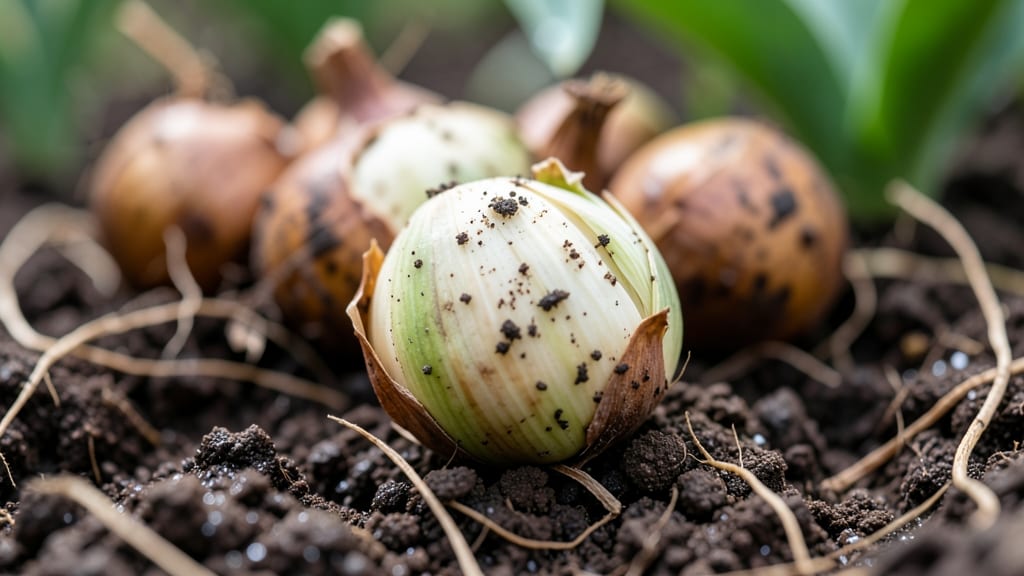
Moles don't eat bulbs—they're actually after earthworms, grubs, and insects. Their tunneling, though, can sever bulb roots and leave your garden looking like a war zone, especially when planting onions, tulips, or garlic.
Moles are often blamed for disappearing bulbs, but their real target is the protein-rich invertebrates lurking underground. 🐛 Their digging habits create tunnels that can uproot or expose bulbs, leading to rot or pest access.
I've seen gardens where mole activity turned neatly planted rows into a chaotic mess—even when the bulbs themselves stayed intact. The key issue isn't what they eat, but how their constant tunneling disrupts the delicate root systems that keep bulbs nourished.
This explains why gardeners often see molehills near bulb beds—they're not eating your crops, but their foraging patterns create perfect conditions for other problems. The real battle is protecting those roots from their relentless digging patterns.
💡 In This Article
- What Moles Actually Eat: Their True Garden Diet
- Protecting Bulbs from Mole Tunneling Damage
What moles actually eat: their true garden diet
Moles are specialized underground foragers with a diet that's about 100% animal-based. Their menu primarily consists of earthworms (their favorite, making up 60-80% of their diet), grubs, beetle larvae, and other soil-dwelling invertebrates. 🐛 These creatures provide the high-protein, low-fiber nutrition moles need to thrive.
Their snout is designed to detect vibrations from these prey items moving through the soil, allowing them to locate meals without seeing them. This explains why you'll rarely find plant matter in mole droppings—called "molehills"—which are typically just soil and the exoskeletons of their insect meals.
The key difference between mole eating habits and garden pests like voles is their feeding mechanism. Moles don't gnaw through plants—they use their powerful front claws to dig tunnels while consuming their prey on the go.
Their digestive system is optimized for protein digestion, with a specialized stomach that can process chitin from insect exoskeletons. This biological adaptation makes plant matter completely unsuitable for their diet, despite what many gardeners assume when they see damaged bulbs.
The confusion often arises because moles create tunnels that can accidentally sever bulb roots while searching for their true prey.
Scientifically, moles belong to the Talpidae family and have evolved to be nearly blind with poor eyesight, relying instead on their keen sense of smell and touch. Their foraging patterns create a network of tunnels that can extend up to 18 feet per day during active seasons.
These tunnels typically run just below the surface (about 4-6 inches deep) where their prey is most abundant. The damage to bulbs comes indirectly—when their tunneling disrupts the soil structure or cuts through root systems that transport nutrients to the bulb.
What makes this particularly frustrating for gardeners is the timing of mole activity. They're most active during spring and fall when soil is moist and worm populations peak—coinciding with planting and harvest seasons for many bulbs.
The irony is that moles actually help control some garden pests by consuming harmful larvae, but their digging habits create more problems than benefits for bulb crops.
Their foraging patterns can turn neatly planted rows into chaotic networks of tunnels that make it difficult for bulbs to establish stable root systems.
Understanding this dietary specialization helps explain why traditional pest control methods that target plant-eating animals often fail against moles.
Their protein-focused diet means they're not interested in the carbohydrates found in bulbs, but their constant digging creates the perfect conditions for secondary problems like bulb rot or increased vulnerability to other pests.
The real challenge becomes protecting those roots from their relentless tunneling patterns rather than trying to make bulbs appealing to moles.
Interestingly, moles don't even have the proper jaw structure for chewing plant material. Their teeth are designed for crushing the hard exoskeletons of their invertebrate prey, not the fibrous structures of bulbs or roots.
This biological limitation makes their bulb-damaging behavior purely a byproduct of their natural foraging habits rather than an intentional feeding choice. 🌱 The solution lies in protecting the plants from their tunneling rather than trying to change what moles naturally eat.