
Pests
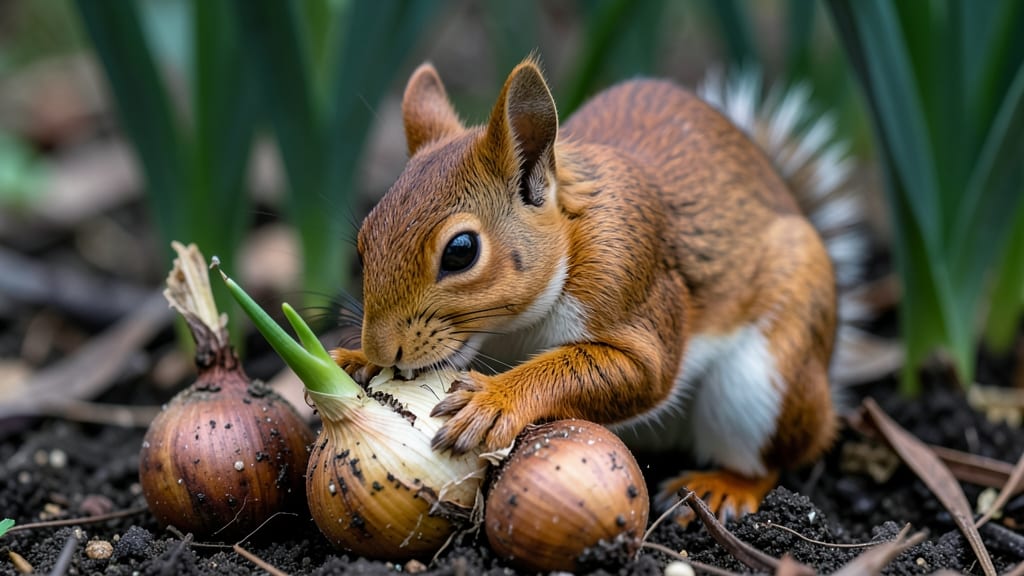
Squirrels do eat daffodil bulbs, especially when other food sources are scarce, as the bulbs contain starches they find appealing. Their digging disrupts plant growth and can damage entire gardens if left unchecked.
Daffodil bulbs become a prime target for squirrels during late fall and winter when natural food sources dwindle. 🌱 These rodents are drawn to the bulbs' high starch content, which provides essential energy during colder months.
Unlike some plants, daffodils lack natural toxins that deter squirrels, making them particularly vulnerable. Their digging behavior often destroys entire flower beds, leaving gardeners frustrated after months of planning.
To protect your daffodils, consider using physical barriers like wire mesh or commercial bulb cages, which create an effective shield without harming wildlife. Planting companion plants like alliums can also help deter squirrels by masking the scent of daffodil bulbs.
For a natural solution, hot pepper spray or castor oil-based repellents work well when applied directly to the soil.
💡 In This Article
- Why Squirrels Are Drawn to Daffodil Bulbs
- Effective Squirrel-Proofing Techniques for Daffodils
Why squirrels are drawn to daffodil bulbs
Daffodil bulbs contain approximately 20-30% starch by dry weight, making them a high-energy food source for squirrels during winter when natural options like nuts and seeds become scarce.
This starch content is comparable to potatoes, which are a known food source for many rodents. 🌱 The bulbs' soft, fleshy texture also makes them easy to excavate and consume, unlike harder nuts that require more effort to crack open.
Squirrels' foraging instincts are hardwired to seek out calorie-dense foods during colder months when their metabolic demands increase. In late fall and winter, when temperatures drop below 40°F, squirrels may consume up to 50% more food than in warmer seasons.
Daffodil bulbs provide this needed energy boost without the risk of toxins found in many other spring-blooming bulbs like tulips, which contain harmful alkaloids that deter most wildlife.
The timing of daffodil bulb planting also plays a role in their vulnerability. When gardeners plant bulbs in fall (October-November), the bulbs are fresh and haven't yet developed protective layers. Squirrels can detect these newly planted bulbs through both scent and the disturbance in soil texture caused by digging.
Unlike tulips or crocuses, which bloom earlier and may develop some protective compounds, daffodils remain particularly appealing to squirrels throughout their dormant period.
Interestingly, squirrels don't just target daffodils—they'll also go after tulips, crocuses, and hyacinths when food is scarce. However, daffodils are particularly vulnerable because their natural toxins (like lycorine) primarily affect mammals in large quantities, while squirrels seem to tolerate smaller amounts.
This makes daffodils a safer bet for hungry squirrels compared to other toxic bulbs that might cause digestive upset.
One fascinating behavioral aspect is how squirrels often cache uneaten portions of bulbs for later consumption. They'll dig up a bulb, eat part of it, then bury the remainder in a hidden location.
This caching behavior can actually increase damage to your garden, as squirrels may forget some of their caches, leading to multiple digging sites over time. 🐿️
The scent of daffodil bulbs also plays a crucial role in their appeal. While not as pungent as garlic or onions, daffodil bulbs emit a subtle, earthy aroma that squirrels can detect from several inches below the soil surface.
This scent acts as a natural beacon during their foraging activities, drawing them directly to your garden beds where the bulbs are planted.