
Pests
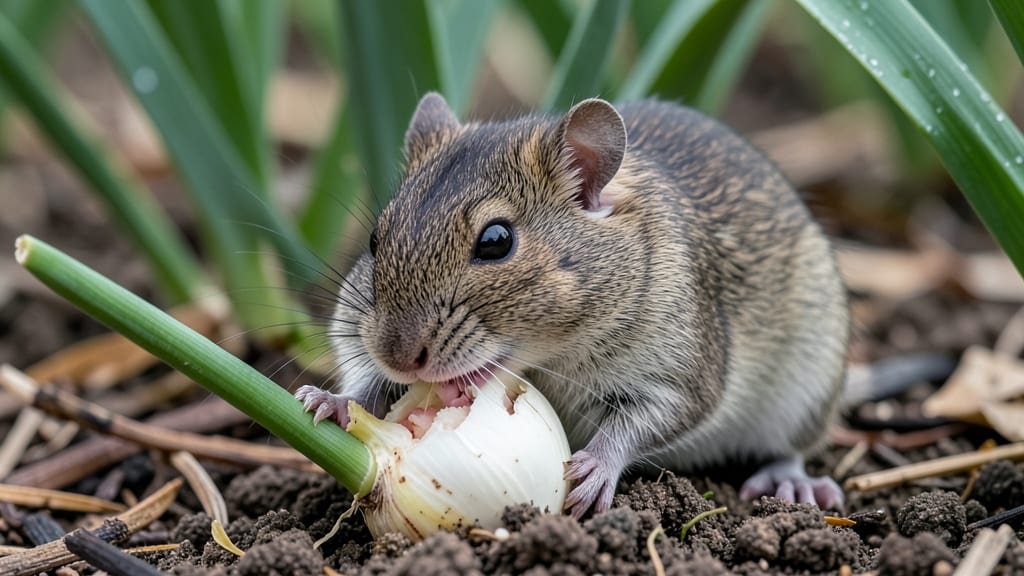
Voles do eat daffodil bulbs, often targeting them in late winter or early spring when food is scarce. Their gnawing leaves jagged holes in bulbs, stunting or killing plants. Identify damage by checking for surface tunnels or chewed stems near the soil line.
Voles are particularly drawn to daffodil bulbs because they're packed with easy-to-digest starches and lack the bitter compounds found in many other spring flowers. 🌱 Unlike deeper-rooted plants, daffodils' shallow bulbs sit just beneath the soil surface, making them an easy meal for these small rodents.
The damage isn't always obvious until you see the characteristic jagged bite marks or notice plants failing to emerge in spring.
What makes this especially frustrating is that voles often return to the same feeding spots year after year. Their seasonal hunger peaks during late winter and early spring when natural food sources dwindle, which coincides perfectly with daffodil bulb growth.
This timing explains why gardeners often notice damage just as they're preparing for spring blooms.
💡 In This Article
- Why Voles Target Daffodil Bulbs Over Other Plants
- Proven Vole-Proofing Methods for Daffodil Gardens
Why voles target daffodil bulbs over other plants
Voles prefer daffodil bulbs because they're a nutrient-rich, low-effort meal. These bulbs contain high starch concentrations (around 30-40% dry weight), providing quick energy for voles during their late winter/early spring feeding frenzy when natural food is scarce.
The soft, fleshy texture of daffodil bulbs contrasts sharply with the fibrous roots of perennials or woody stems of shrubs, making them much easier to gnaw through with their small, chisel-like incisors.
The shallow planting depth of daffodils—typically 4-6 inches deep—puts them directly in voles' feeding zone. Most voles burrow just 1-2 inches below the soil surface, creating tunnels where they can access these bulbs with minimal effort.
Compare this to tulips, which are often planted deeper (6-8 inches), making them slightly less vulnerable. The lack of toxic compounds in daffodil bulbs (unlike some alliums) removes another deterrent voles would normally avoid.
Seasonal behavior plays a crucial role too. Voles enter their peak feeding phase when soil temperatures rise above 40°F in late winter, coinciding with daffodil bulb growth. Their natural instincts drive them to consume high-energy foods during this period to prepare for breeding season.
This timing explains why gardeners often discover damage just as daffodils begin pushing through the soil—voles have already been feasting underground for weeks.
Another key factor is the bulbs' location near the soil surface. Voles create extensive surface tunnels (often 1-2 feet wide) that allow them to move efficiently between feeding sites. These tunnels provide both protection from predators and easy access to shallow-rooted plants like daffodils.
The contrast with deeper-rooted plants is striking—voles would need to expend significant energy digging to reach bulbs planted below 8 inches, making them less appealing targets.
What makes this particularly frustrating is that voles often return to the same feeding spots year after year. Their memory for food sources is excellent, and they'll continue targeting daffodil beds unless physically deterred.
The combination of nutritional value, accessibility, and seasonal timing creates a perfect storm for daffodil bulb destruction in vole-prone gardens.
Understanding these preferences is the first step in protecting your daffodils. The shallow planting depth and high starch content make daffodils particularly vulnerable compared to other spring bulbs, but knowing these specifics allows for targeted prevention strategies. 🌱