
Advice
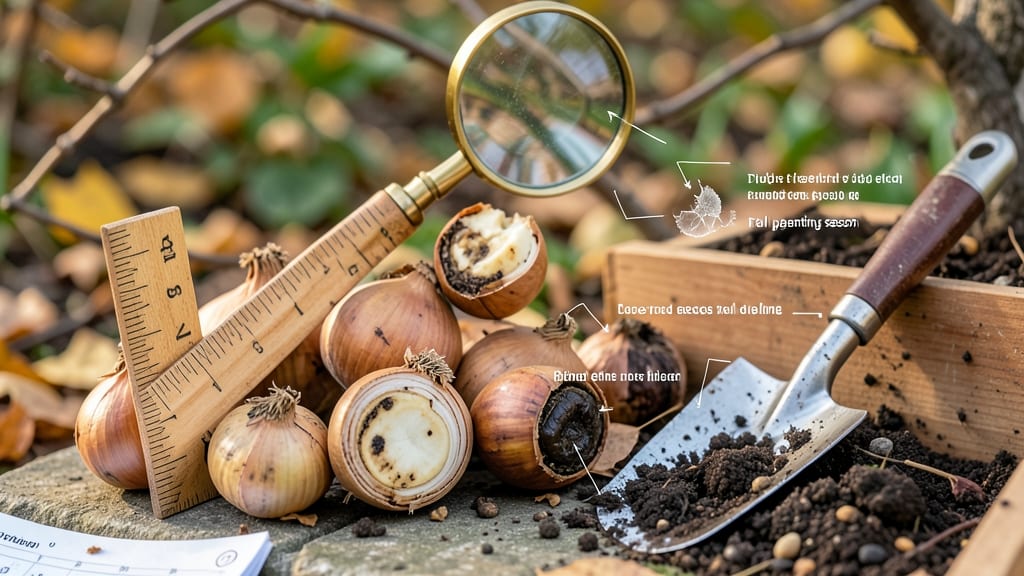
Tulip bulbs do go bad over time, with most lasting 2-3 years when stored properly. Look for signs like soft, moldy, or shriveled bulbs, foul smells, or bulbs that refuse to sprout after planting. Keeping them in cool, dry places helps preserve their quality.
Tulip bulbs degrade due to natural aging and improper storage conditions. 🌱 The key factors that shorten their lifespan include exposure to moisture, extreme temperatures, or poor ventilation.
For example, storing bulbs in damp basements or plastic bags can lead to mold growth within weeks, while ideal conditions—like a cool, dry basement with good airflow—can extend their life for years.
I always recommend checking bulbs before planting each season, as even well-stored ones may show early signs of wear like wrinkled skins or slight softness.
What's interesting is how storage location affects bulb health. A garage or shed with temperature swings can accelerate spoilage, while a dedicated bulb storage box in a basement with consistent 40-50°F temperatures keeps them fresh longer.
Some gardeners even refrigerate bulbs in mesh bags during summer months to slow down metabolic processes that cause deterioration.
💡 In This Article
- How to Identify Spoiled Tulip Bulbs
- Optimal Storage Conditions for Tulip Bulbs
How to identify spoiled tulip bulbs
The first sign of tulip bulb spoilage is often a noticeable change in texture. Healthy bulbs feel firm to the touch, with a papery skin that may appear slightly wrinkled but intact.
When bulbs go bad, they become soft or mushy—almost like overripe fruit—because the cells break down due to fungal growth or bacterial decay. 🌱 This happens faster in warm, humid conditions, where moisture triggers microbial activity that consumes the bulb's stored nutrients.
Visual clues include discoloration and mold growth. Spoiled bulbs may develop dark spots, grayish fuzz (a sign of mold), or even a slimy coating if left too long in damp conditions. The roots can also turn brown and rotten, while healthy roots should be firm and white.
Another red flag is an unpleasant smell—fermenting or sour odors indicate decomposition, whereas fresh bulbs have a neutral, earthy aroma.
Pest damage is another common culprit. Bulbs infested by bulb mites or weevils often show tiny holes or tunnels in the flesh, making them unsuitable for planting. These pests thrive in poorly ventilated storage areas, where they lay eggs that hatch into larvae feeding on the bulb's nutrients.
Even if the outer skin looks intact, checking for these signs before planting can save you from wasted effort.
Temperature fluctuations also accelerate spoilage. Bulbs stored in areas with temperatures above 60°F or below 32°F experience metabolic stress, causing them to dry out or rot prematurely.
For example, leaving bulbs in a car trunk during summer heat can turn them mushy within days, while freezing temperatures can cause cell damage that prevents sprouting.
One often-overlooked indicator is the bulb's weight. Fresh tulip bulbs feel heavy for their size because they're packed with stored energy. As they degrade, they lose moisture and become lighter, almost hollow-feeling when held.
This weight loss is a clear sign that the bulb's reserves are depleted, making it less likely to produce strong blooms.
Finally, the ultimate test is planting. If a bulb fails to sprout after 6-8 weeks in the ground, despite proper care, it's likely spoiled. This could be due to internal rot or pest damage that wasn't visible externally.
Always plant a small sample first to check viability before committing to a full garden bed.