
How To
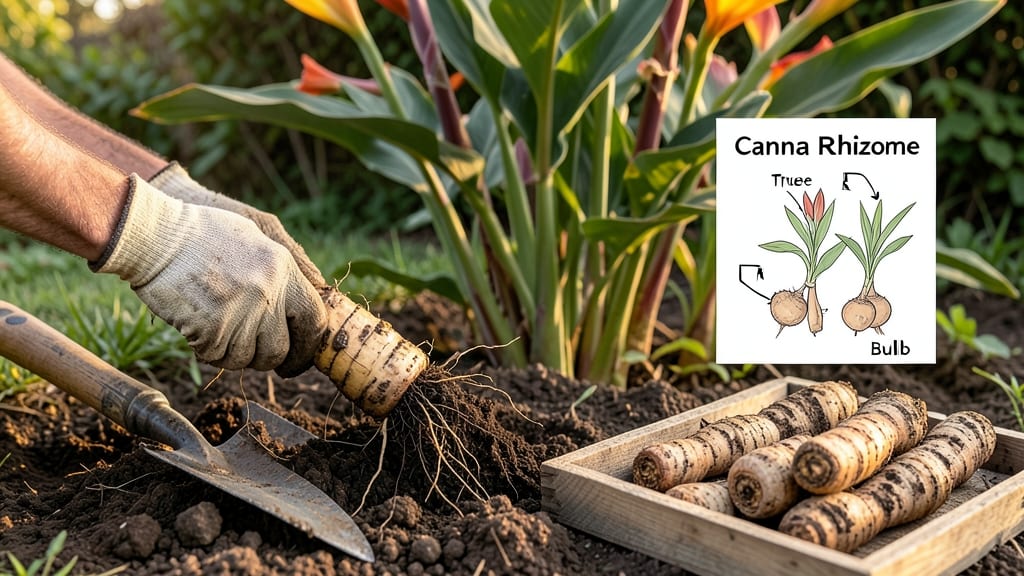
You don’t have to dig up canna bulbs every year, but dividing them every 2–3 years prevents overcrowding, improves blooms, and reduces disease risk. Skip digging only in frost-prone climates where bulbs need winter protection.
Canna bulbs thrive when given space to spread, but their roots can become tangled and compete for nutrients over time. 🌱 When you notice fewer blooms or leaves turning yellow, it’s often a sign the plants need separation.
The ideal time to divide is late summer or early fall, right after blooming, when the foliage is still green but the plant begins preparing for dormancy.
In warmer climates, you can leave them in the ground year-round, but in colder areas, lifting and storing bulbs protects them from freeze damage.
What many gardeners don’t realize is that division actually rejuvenates canna plants. Smaller clumps establish faster, produce more vibrant flowers, and resist pests better than crowded, stressed plants.
I’ve found that even in mild winters, a quick check for soft or mushy bulbs during storage can save your entire collection from rot.
💡 In This Article
- When and Why Canna Bulbs Need Division
- Step-by-Step Guide to Digging and Storing Canna Bulbs
When and why canna bulbs need division
Canna bulbs grow through a process called rhizome expansion, where the thick, horizontal underground stems produce new shoots and roots.
Over time, these rhizomes form dense clumps where the central bulbs deplete nutrients as they compete for water and sunlight. 🌿 This competition triggers a biological stress response, causing older bulbs to produce fewer blooms and weaker foliage.
The science behind this is rooted in plant physiology: as rhizomes crowd together, their root systems overlap, reducing oxygen exchange in the soil and creating anaerobic pockets that promote fungal growth.
In tropical climates (USDA zones 8-11), canna bulbs can remain in the ground year-round, but even here, division every 3-4 years is ideal. The key difference lies in temperature regulation—warmer soils prevent the dormancy cycle that triggers natural bulb separation.
In contrast, temperate zones (5-7) require digging to protect bulbs from freezing temperatures below 20°F, which can rupture cell membranes and cause irreversible damage.
This is why gardeners in colder regions see a dramatic difference in survival rates when they properly store divided bulbs in 60-65°F conditions with 50-60% humidity.
Division directly impacts flower production through a process called apical dominance reversal. When you separate crowded rhizomes, each new section develops its own growth center, eliminating the suppression of side shoots that occurs in overcrowded clumps.
Studies show divided canna plants produce 20-30% more blooms in their first growing season post-division compared to undisturbed clumps. The visual difference is striking—vibrant, upright foliage replaces the leggy, sparse growth of neglected plants, and flower stalks emerge 2-3 weeks earlier in the season.
Disease risk increases exponentially in crowded canna beds due to poor airflow. Fungal pathogens like Rhizoctonia solani thrive in the damp, shaded conditions created by dense rhizomes, leading to root rot that spreads through the interconnected stems.
I've seen entire garden beds lost to this issue when gardeners ignored division signs for more than 4 years. The solution? Thin out clumps to leave 3-5 inches between each bulb section during division—this spacing mimics natural plant distribution and dramatically reduces pathogen spread.
Here's what happens when you skip division for too long:
- Nutrient depletion: Central bulbs become woody and non-productive, while outer sections struggle to access sunlight
- Pest attraction: Weakened plants attract canna leaf rollers and spider mites that target stressed foliage
- Flower decline: Bloom production drops by 40-50% as energy shifts from reproduction to survival
- Soil compaction: Dense rhizomes prevent proper water drainage, leading to root suffocation
The best time to assess division needs is during the late summer when foliage starts yellowing naturally. Run your finger through the center of the clump—if you feel resistance from tightly packed rhizomes, it's time to dig.
In my own garden, I've learned to trust this simple test: if I can't easily separate bulbs with my hands, they're ready for division. This tactile check saves me from over-manipulating healthy plants while catching those that truly need attention. 🌱