
Planting
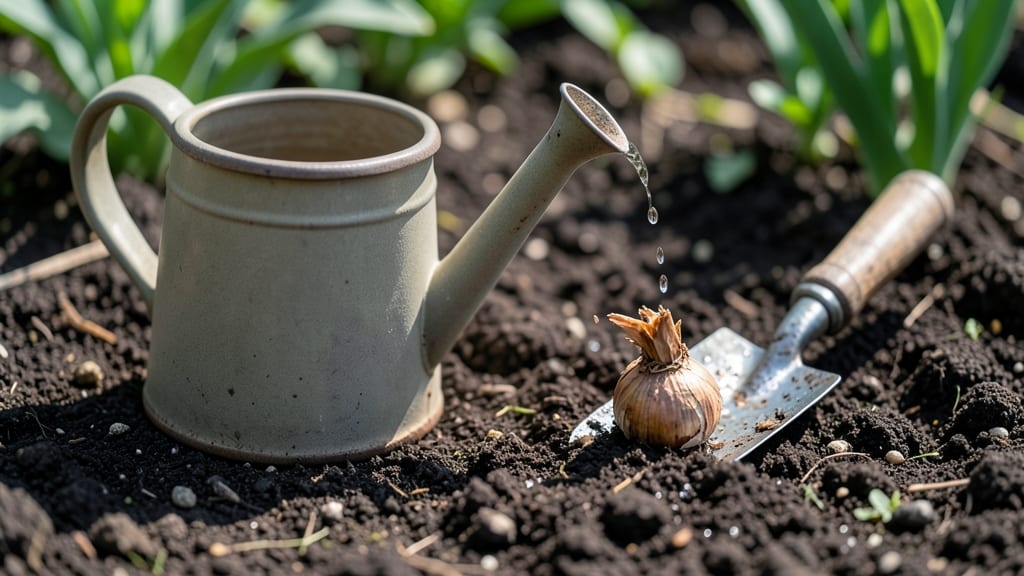
Watering bulbs after planting is the key to strong roots and vibrant blooms—but do it wrong, and you risk drowning them before they even sprout.
Picture this: you’ve just tucked your 🌱 bulbs (General) into the soil, dreaming of next spring’s colorful display. Then you wonder—should you water them now, or wait? The answer isn’t as simple as "yes" or "no," but the stakes couldn’t be higher.
Too much water, and rot sets in; too little, and roots struggle to take hold.
Here’s the game-changer: bulbs need an initial drink to kickstart growth, but the real secret lies in timing and technique. We’ll break down when to water, how deep to go, and why some bulbs (like drought-tolerant varieties) buck the rules entirely.
By the end, you’ll know exactly how to keep your bulbs happy—no guesswork, no wasted effort. Let’s dig in.
When to water bulbs after planting: the critical first 2 weeks
Planting bulbs is just the beginning—watering them wrong can mean the difference between vibrant blooms and a sad, rotting mess. The first 2 weeks after planting are the most critical for establishing roots, but many gardeners either overwater or underwater during this fragile stage.
Understanding the science behind bulb hydration will help you avoid common mistakes and set your plants up for success.
Contrary to popular belief, you should water bulbs immediately after planting—not wait until shoots appear. This initial moisture jumpstarts root growth in the dry soil, which is especially important if you planted during fall dormancy or in sandy, fast-draining soil.
However, the amount and frequency change dramatically once those first green shoots break through the soil.
The key to successful bulb watering lies in soil moisture levels, not just frequency. After planting, aim for soil that feels like a wrung-out sponge—damp but not dripping. Use your finger to check: if the top 1-2 inches of soil feel dry, it's time to water.
Overwatering at this stage leads to rotten bulbs, while underwatering stunts root development.
For fall-planted bulbs (like tulips and daffodils), the initial watering is crucial because they need to establish roots before winter dormancy. In contrast, spring-planted bulbs (such as summer-flowering dahlias) can tolerate slightly drier conditions early on, as they often rely on spring rains.
Always adjust based on your local climate—rainy seasons may require less supplemental watering.
Watch for visual signs of proper hydration: healthy bulbs will show firm, white roots when dug up, while overwatered bulbs develop a soft, mushy texture and may smell foul.
Underwatered bulbs, on the other hand, will have wrinkled or shriveled roots and stunted shoots. These signs help you gauge whether you're hitting the sweet spot of moisture.
One common mistake is assuming that mulch eliminates watering needs. While mulch helps retain moisture, it doesn't replace the need for initial watering. Apply a 2-3 inch layer of mulch after the first watering to protect bulbs from temperature fluctuations, but still monitor soil moisture closely.
Organic mulches like straw or shredded leaves work best for bulbs.
If you're planting in containers or raised beds, watering becomes even more critical because these soils dry out faster. Check moisture levels daily during the first week, as potted bulbs can dry out 3x faster than in-ground plants.
Use a moisture meter or stick your finger into the soil to avoid guesswork. Containers also require drainage holes to prevent root rot.
As shoots emerge (typically 4-6 weeks after planting), reduce watering frequency but increase depth. This encourages bulbs to develop stronger root systems before they focus on producing flowers.
A good rule of thumb is to water deeply once a week during active growth, providing about 1 inch of water per session. Always water in the early morning to minimize evaporation and fungal risks.
Remember, the goal isn't to keep bulbs constantly wet—it's to provide consistent moisture during root establishment. Once established, most bulbs are surprisingly drought-tolerant. By following this science-backed timeline, you'll give your bulbs the best chance to thrive and reward you with vibrant blooms year after year. 🌱
How much water do bulbs need? Soil types and seasonal adjustments
The right amount of water for bulbs depends on soil type, seasonal conditions, and whether they're spring or fall bulbs.
Most bulbs need 1 inch of water per week after planting, but sandy soil drains faster than clay, requiring more frequent watering. Fall-planted bulbs (like tulips) need consistent moisture until roots establish, while spring bulbs (like daffodils) can handle drier conditions once shoots appear.
In clay-heavy soil, water less often but deeply to prevent soggy conditions. Sandy soil, on the other hand, dries out quickly, so water lightly every 2-3 days until roots form. Seasonal adjustments are key: in dry climates, water every 3-4 days, while rainy seasons may require skipping watering entirely.
Always check soil moisture by digging 1 inch deep—if dry, it's time to water.
⚠️ pros-cons-box ⚠️
Watering Bulbs After Planting: Pros and Cons
- Encourages root growth (critical first 2 weeks)
- Prevents desiccation in dry soil
- Helps fall bulbs establish before winter
- Causes rot (bulbs need airflow)
- Promotes fungal diseases (mold, mildew)
- Drowns spring bulbs before dormancy
Spring bulbs (like crocuses) need less water once shoots emerge, as they’re drought-tolerant. Fall bulbs (like hyacinths), however, require consistent moisture until the ground freezes. In dry climates, mulch around bulbs to retain moisture, while rainy seasons may mean skipping watering entirely. Always prioritize soil drainage—bulbs rot faster in waterlogged conditions than they wilt from thirst.
Overwatering risks include mushy bulbs, yellowing leaves, and foul odors, while underwatering causes stunted growth and weak stems. Clay soil holds too much moisture, so amend with compost or sand. Sandy soil drains too fast, so water lightly but often.
Adjust your watering schedule based on weather forecasts—a week of rain means no extra watering, while a heatwave demands daily checks.
For potted bulbs, water every 5-7 days since containers dry out faster. In-ground bulbs can go 10-14 days between waterings once established.
Always water at morning to reduce evaporation and fungal risks. Seasonal bloomers like tulips need more water during budding, while evergreen bulbs (like alliums) thrive with minimal watering once rooted.
Remember, bulbs store nutrients in their underground corms, so they’re more resilient than annuals. First-year bulbs need more care, while mature bulbs handle drought better. If your bulbs are not flowering, check watering habits—either too much or too little can stunt blooms.
Adjust based on soil type, season, and bulb variety for perfect results. 🌱💧