
Plants
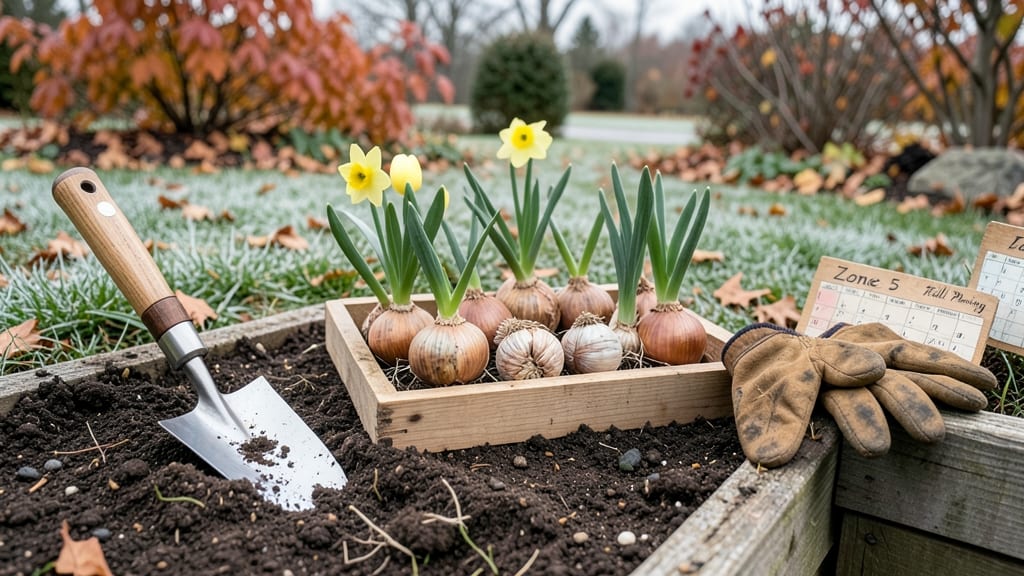
To plant bulbs in Zone 5, aim for September through November or early March to April—timing that lets roots establish before winter’s chill sets in.
Zone 5 gardeners know timing is everything—plant bulbs too early, and they’ll rot; too late, and winter’s frost will stifle growth. But master these chill-ready months, and you’ll unlock vibrant spring blooms year after year without guessing.
Fall planting is the gold standard for spring-flowering bulbs like tulips and daffodils, while early spring works for varieties like crocuses that need a shorter dormancy. The key? Soil temperatures below 60°F and at least 6-8 weeks before the ground freezes.
Here’s what you’ll learn: the exact month-by-month windows for Zone 5, how to adjust for late frosts, and the top bulbs that thrive in your climate—no more missed blooms, just reliable color.
Best months to plant bulbs in Zone 5 for spring blooms
Zone 5 gardeners know timing is everything—plant bulbs too early, and they’ll rot; too late, and winter’s frost will stifle growth. But master these chill-ready months, and you’ll unlock vibrant spring blooms year after year without guessing.
The key lies in understanding your Zone 5 climate, where fall-planted bulbs need 6-8 weeks before ground freeze, while spring-planted bulbs must go in as soon as soil is workable.
Most spring-flowering bulbs—like tulips, daffodils, and crocuses—thrive when planted in fall (September-November). This gives roots time to establish before winter dormancy. Meanwhile, hyacinths and alliums also prefer fall planting but tolerate slightly later windows. The critical factor? Soil temperatures dropping to 40°F (4°C) consistently.
⚠️ NON-NEGOTIABLE: Never plant bulbs when soil temps are above 60°F (15°C)—they’ll rot. Use a soil thermometer to track conditions, especially in Zone 5’s variable climate. In colder microclimates (e.g., northern Zone 5), aim for early September planting, while milder areas (e.g., southern Zone 5) can extend to mid-November.
| Bulb Type | Best Planting Window | Soil Temp Threshold | Zone 5 Adjustment |
|---|---|---|---|
| Tulips | September–October | 40–50°F (4–10°C) | Northern Zone 5: Plant by late September |
| Daffodils | October–November | 45–55°F (7–13°C) | Southern Zone 5: Extend to mid-November |
| Crocuses | September–October | 35–45°F (2–7°C) | Plant early for winter blooms |
| Hyacinths | September–October | 40–50°F (4–10°C) | Avoid late fall planting |
| Alliums | October–November | 45–55°F (7–13°C) | Tolerates slightly later planting |
For spring-planted bulbs (e.g., caladiums or tender varieties), wait until March–April when soil temps rise above 50°F (10°C). In Zone 5, this means avoiding early spring frosts—check your last frost date (typically May 15) and plant 4–6 weeks before for safe growth.
Pro tip: Mulch heavily after fall planting with 3–4 inches of straw or shredded leaves to insulate bulbs from freeze-thaw cycles. This is especially critical in Zone 5, where unpredictable winters can cause heaving. Mulch also prevents soil erosion and retains moisture for root development.
If you miss the fall window, don’t panic—spring planting works for hardy bulbs like daffodils and alliums. Just plant shallower (6 inches deep) and keep soil consistently moist until roots establish.
For tulips, spring planting is less reliable, but it’s worth a try if you’re eager for blooms!
Zone 5’s microclimates matter too. Gardens in urban areas (e.g., Chicago) may experience earlier freezes, while rural zones (e.g., Iowa) might have later frost dates.
Adjust planting by 1–2 weeks based on local trends. For example, if your neighbor’s tulips froze last winter, plant yours 2 weeks earlier next fall.
One common mistake? Planting bulbs in waterlogged soil. Zone 5’s spring thaws can create soggy conditions—am
How to adjust planting time for Zone 5’s unpredictable winters
Zone 5’s winters are famously fickle—one week brings late frosts that linger into May, while another delivers early thaws in February. These swings make bulb planting a high-stakes game. The key? Flexible timing based on soil temperatures, not just calendar dates.
I’ve learned that soil thermometers are my best friend here, helping me avoid planting when the ground is still too warm or too cold for root establishment.
Most gardeners in Zone 5 default to fall planting (September–November), but that’s only half the story. Some bulbs, like tender varieties (e.g., dahlias, gladiolas), need to wait until early spring when soil temps consistently stay above 50°F (10°C).
Meanwhile, hardy bulbs (daffodils, crocuses) can handle colder soil and even light frosts after planting. The trick is matching the bulb’s chill requirements to your microclimate.
- 🌡️ Soil Temp Rule: Plant when soil is 40–50°F (4–10°C)—use a soil thermometer to check 6 inches deep.
- ⏳ Frost Window: Aim for 6–8 weeks before first frost (typically late September–October), but adjust if early cold snaps threaten.
- 🛡️ Mulch Strategy: Apply 3–4 inches of mulch (straw or shredded leaves) after planting to insulate roots and prevent soil heaving.
- 🌿 Hardy vs. Tender: Plant hardy bulbs (daffodils, tulips) earlier (September); tender bulbs (canas, lilies) later (April–May).
- 🔄 Spring Backup: If fall planting fails, early spring (March–April) works for cold-hardy bulbs—just plant shallower (4–6 inches deep).
Don’t let late frosts catch you off guard. I’ve had tulip shoots emerge in April only to be nipped by a 28°F (-2°C) freeze. To protect your investment, choose late-blooming varieties like ‘Darwin Hybrid’ tulips or ‘Ice Follies’ daffodils, which develop thicker stems that resist frost damage.
For extra insurance, plant bulbs in clusters—this creates a microclimate that warms faster in spring.
Mulching is another game-changer. A 3–4 inch layer of straw or shredded leaves after planting acts like a thermal blanket, keeping soil temps stable. I swear by straw mulch because it breaks down slowly and adds organic matter to the soil.
Just avoid fresh grass clippings, which can mat down and suffocate bulbs. Pro tip: Remove mulch in early spring to let soil warm up faster for sprouting.
If your Zone 5 winter throws curveballs—like a mild December followed by a January deep freeze—don’t panic. Soil thermometers (available for $15–$25) are your early-warning system. For example, if soil temps stay above 50°F (10°C) into November, hold off on planting fall bulbs until conditions cool.
Conversely, if ground freezes early, switch to spring planting for hardy varieties like crocuses or Siberian squill.
Finally, embrace bulb diversity to spread your risk. Plant a mix of early, mid-, and late-season bloomers so you’re not all-in on one frost-sensitive window. For instance, crocuses (plant in September–October) bloom before snow melts, while alliums (plant in October–November) shine in late spring.
This staggered approach ensures color from March through June, no matter what winter throws at you. 🌷