
Planting
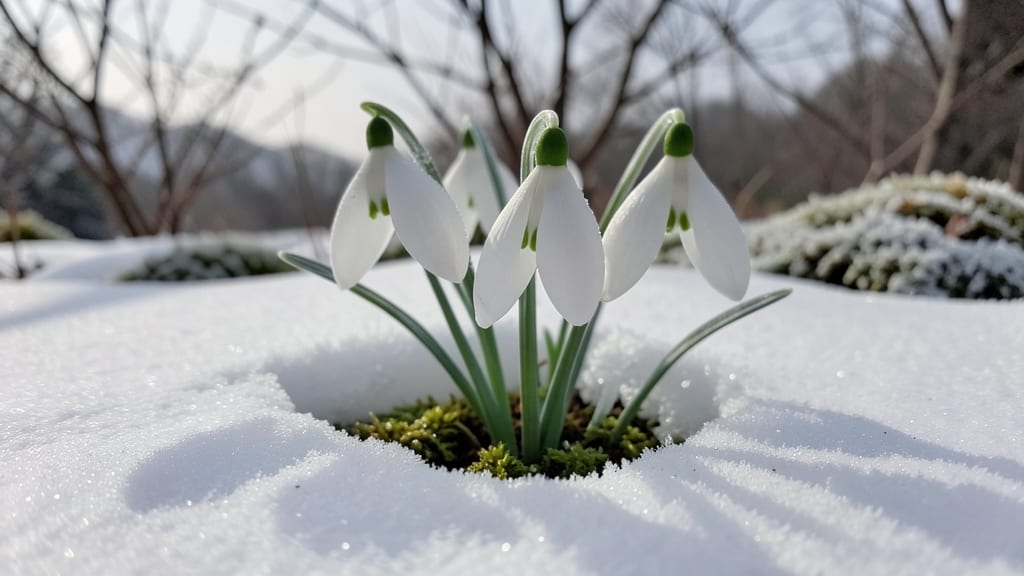
Fall is the perfect time to plant bulbs that thrive in cold climates and deliver vibrant spring blooms. These 10 chill-resistant varieties ensure stunning displays while requiring minimal maintenance—ideal for gardeners in zones 3-7.
Daffodils for Cold Climates
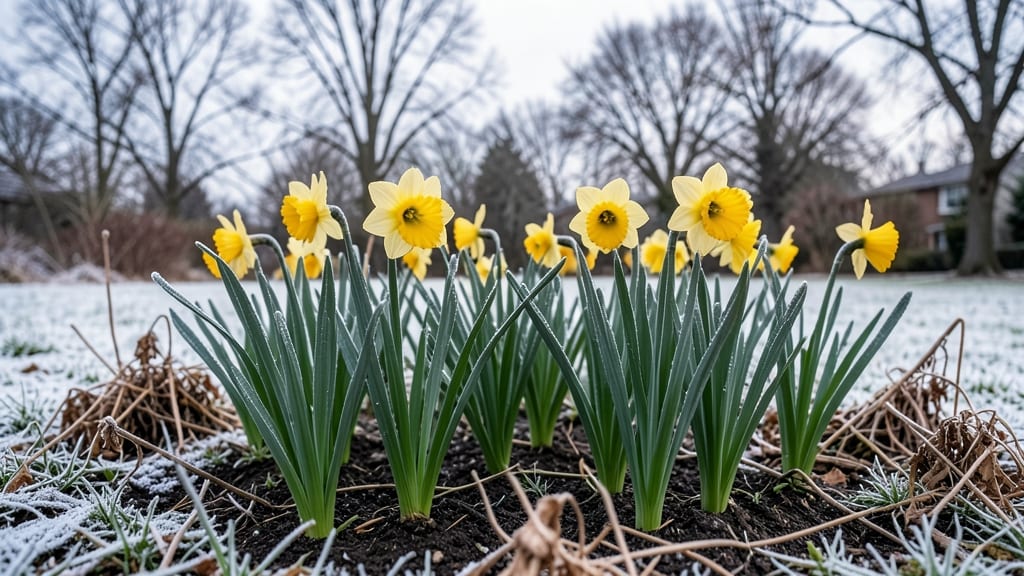
If you're looking for a low-maintenance bulb that thrives in the harshest winters, daffodils are your best bet—surviving all the way down to zone 3 with ease. These cheerful blooms not only withstand freezing temperatures but also deter deer and squirrels, making them a frustration-free choice for gardeners in rural or suburban areas.
Once planted, daffodils naturalize aggressively, spreading and multiplying each year to create stunning carpets of color. Aim for a planting depth of 6-8 inches and space bulbs 4-6 inches apart for optimal growth. Their bright blooms appear early in spring, often before snow has fully melted, and they'll return year after year with minimal effort.
Perfect for beginners, these hardy bulbs thrive in full sun to partial shade and even improve soil quality over time. Plant them now for decades of cheerful spring color that requires almost no upkeep. 🌻
Tulipa Clusiana (Species Tulips)
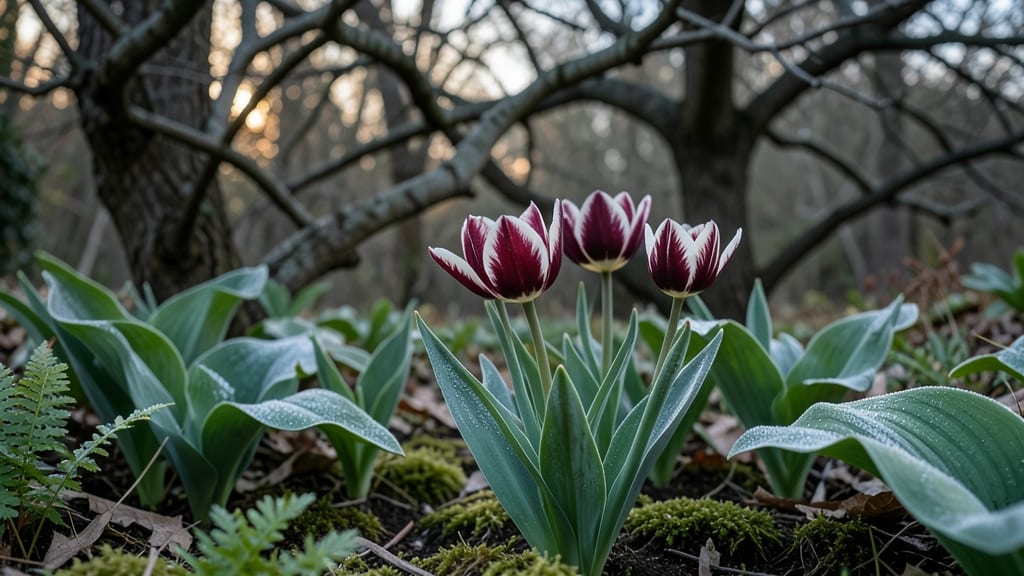
If you're dreaming of spring blooms but struggle with shady spots where traditional tulips refuse to thrive, Tulipa Clusiana (species tulips) might be your secret weapon. These compact, winter-hardy bulbs bloom earliest in spring—often weeks before other tulips—and handle partial shade like a pro, making them perfect for under trees or north-facing beds.
Plant them in well-draining soil at 3-4 inches deep in fall, and they’ll reward you with delicate, marbled petals in shades of purple, pink, or white. Unlike showy hybrid tulips, these wild-type beauties multiply slowly but reliably, creating naturalized colonies over time. Their early bloom time also means they’re less likely to be nibbled by squirrels before they flower.
Ideal for gardeners in zones 3-4 who want low-maintenance color in shady corners, these tulips bring a touch of woodland charm to any garden. 🌱
Allium Globemaster Purple
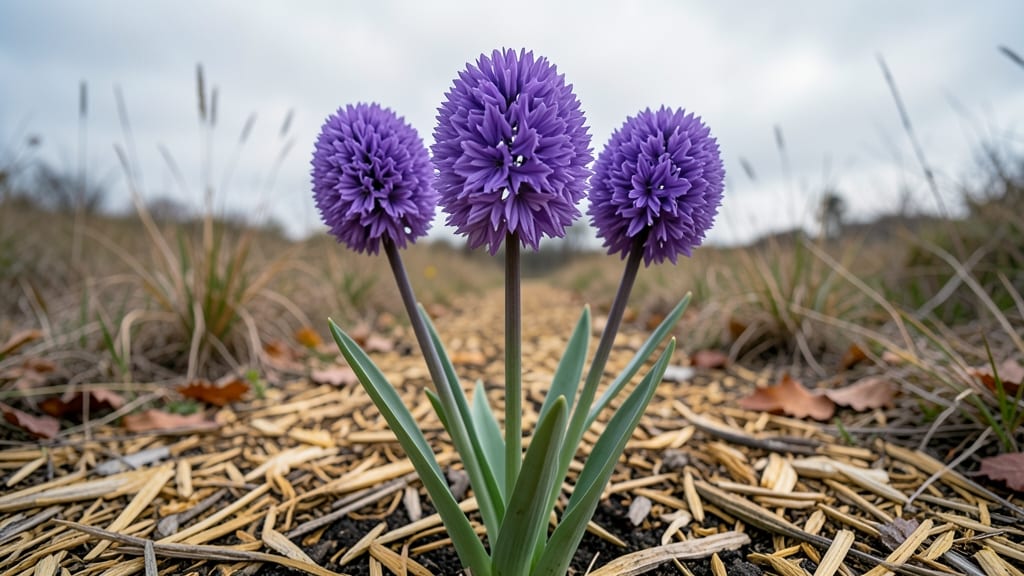
Tired of spending hours watering and still losing plants to deer? The Allium Globemaster Purple delivers dramatic, globe-shaped blooms that thrive in drought conditions and are completely deer-proof—no fencing or pesticides required.
This 2-foot-tall bulb produces spherical purple blooms that last for weeks, making it a star for cutting gardens and pollinator-friendly landscapes. Plant it in full sun to partial shade with well-draining soil, and enjoy blooms from late spring to early summer. It’s also perennial, so once planted, it returns year after year with minimal care.
Perfect for low-maintenance gardens, urban spaces, or wildlife-friendly designs, this allium adds architectural drama without the fuss. 🌻
Crocus Vernus (Dutch Crocus)
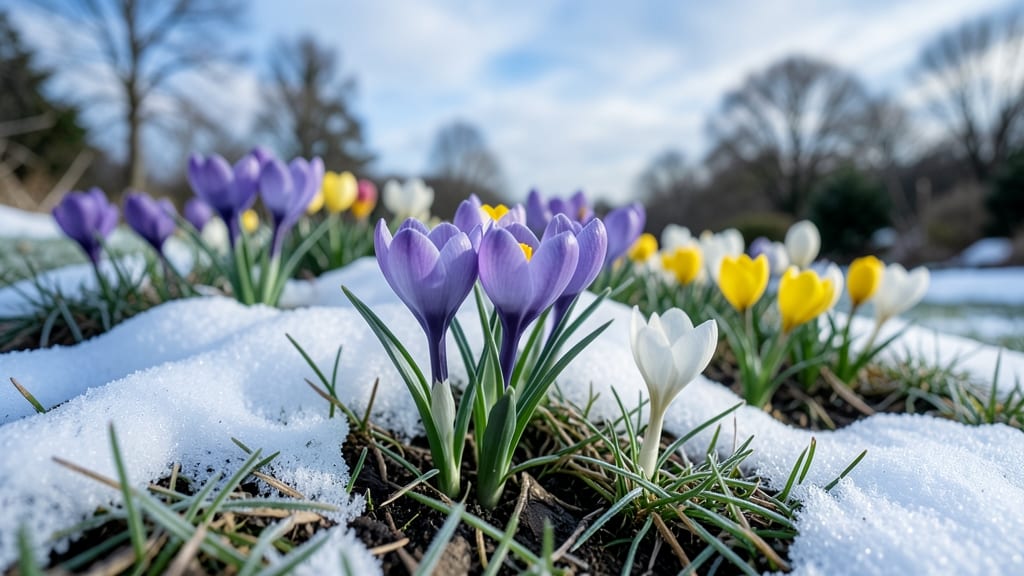
If you're eager to see color in your garden before the snow has even melted, Crocus Vernus (Dutch Crocus) is your secret weapon. These cheerful blooms are famous for pushing through late snow in zone 3, often appearing weeks before other spring flowers. Their ability to naturalize in lawns means you’ll get more blooms each year with almost no effort.
Plant the bulbs 4-6 inches deep in fall, spacing them 3-4 inches apart for a dense carpet effect. They thrive in full sun to partial shade and prefer well-drained soil—perfect for areas where other plants struggle. The real magic happens in early spring when their purple, white, or yellow blooms provide critical nectar for bees before other pollinators wake up.
This bulb is ideal for gardeners who want low-maintenance color with high impact. Whether you're filling gaps in a lawn or creating a pollinator-friendly meadow, Dutch Crocus delivers early spring joy with minimal fuss. 🌱
Fritillaria Imperialis (Crown Imperial)
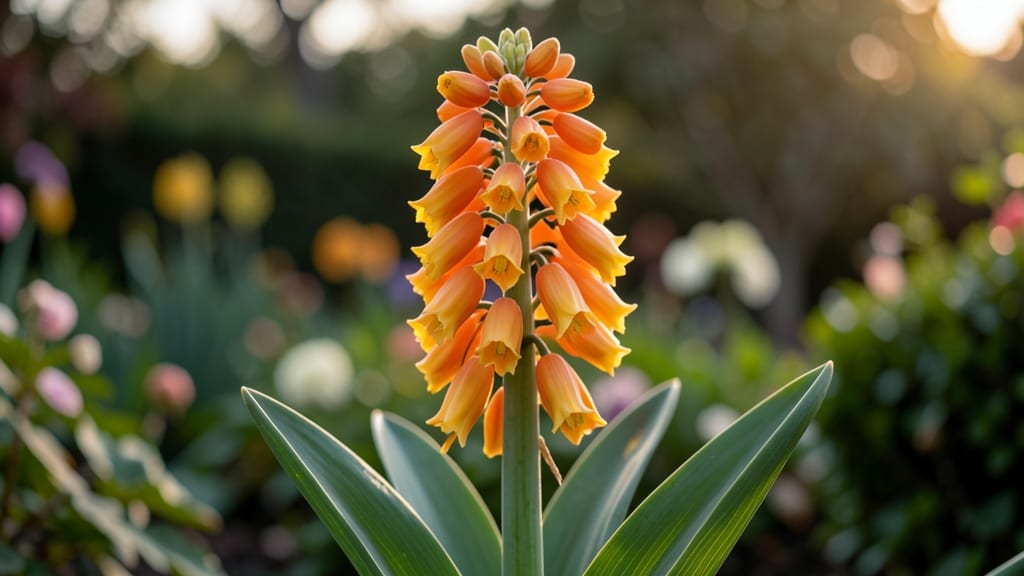
If you want a bulb that feels like a showstopper rather than just another spring bloom, Fritillaria imperialis (Crown Imperial) delivers with dramatic 3-foot-tall spikes of bell-shaped flowers in striking orange or yellow. Unlike other fall-planted bulbs, this one thrives in zones 5-8 and rewards you with both beauty and edible orange seeds—adding a unique twist to your harvest.
Plant the bulbs in well-draining soil with full sun to partial shade, and space them 8-12 inches apart for their striking vertical presence. The foliage emerges early, so avoid disturbing it after planting. While it prefers cooler climates, it’s surprisingly low-maintenance once established, making it perfect for formal gardens or as a focal point near pathways.
Gardeners in formal landscapes or those who love conversation-starting plants will adore this bulb—it’s the only one that combines height, edibility, and old-world elegance with minimal care. 🌻
Muscari Armenium (Grape Hyacinth)
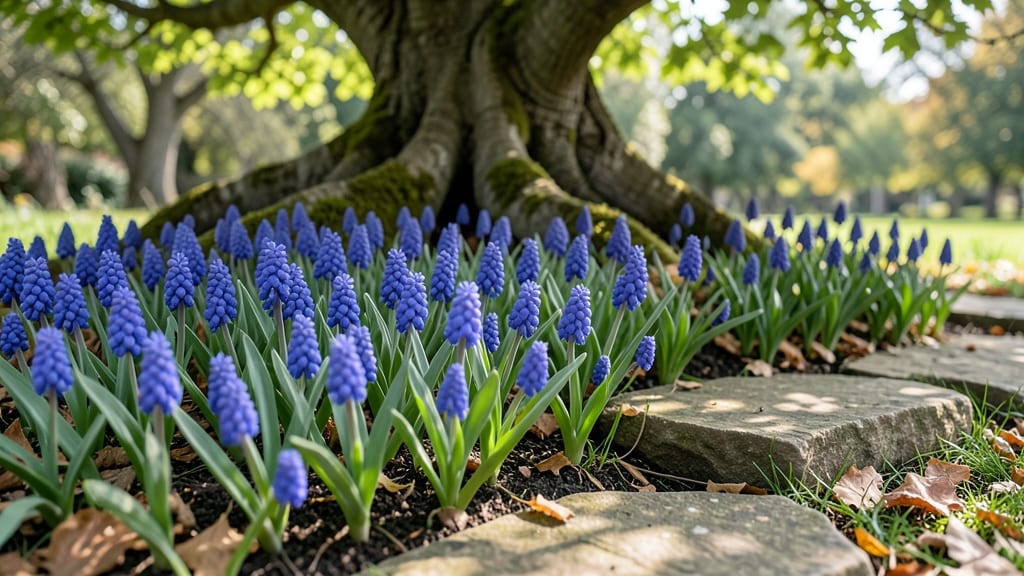
Looking for a low-maintenance bulb that fills empty spaces with vibrant color? Muscari armenium (Grape Hyacinth) delivers dense, grape-like clusters that spread aggressively in zones 3-9, making it perfect for tight spots like between stepping stones or under trees.
These bulbs thrive in partial shade and even minimal sunlight, producing striking purple blooms in early spring. Plant them 6 inches deep and 4 inches apart—they’ll multiply over time, creating naturalizing drifts with almost no effort. Their vertical growth habit also makes them ideal for edging pathways or cascading over walls.
Urban gardeners and busy homeowners will love how Grape Hyacinths fill gaps without competing with other plants. Once established, they’re nearly indestructible and deer-resistant—just the kind of reliable performer you want in your fall-planted bulb collection. 🌻
Erythronium Dens-Canis (Dogtooth Violet)
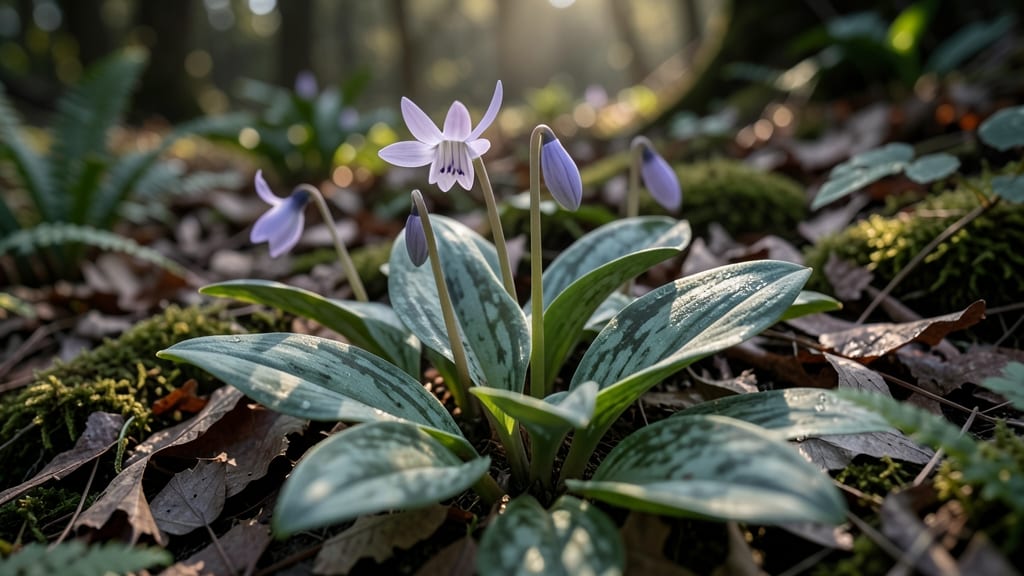
If your shade garden feels like a forgotten corner, Erythronium dens-canis (dogtooth violet) is the underappreciated star you’ve been missing. This woodland native thrives where most bulbs give up—zones 3-8—and rewards you with mottled, heart-shaped leaves that look like abstract art before the nodding pink blooms appear in spring.
Plant the bulbs 3-4 inches deep in well-draining soil under deciduous trees, where they’ll naturalize over time. Unlike sun-loving bulbs, dogtooth violets prefer dappled shade and even perform well under evergreens, making them perfect for woodland gardens, rockeries, or understory plantings. Their early spring blooms also attract pollinators before other flowers emerge.
This bulb is a game-changer for gardeners who want low-maintenance, native shade perennials that multiply reliably. Perfect for beginners or experienced gardeners seeking textural contrast in their spring displays. 🌷
Scilla Siberica (Siberian Squill)
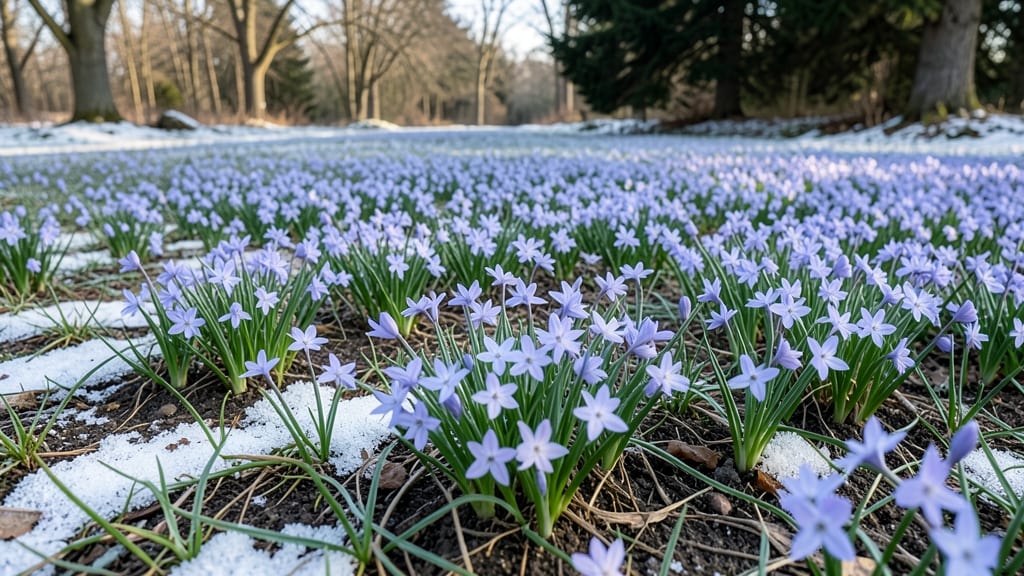
Want a spring lawn that looks like a blue carpet before grass even greens up? Scilla Siberica (Siberian Squill) delivers those dreamy star-shaped blooms in zones 3-8, pushing through snow to create a naturalized sea of color where grass won’t grow yet.
These hardy bulbs thrive in partial shade to full sun and prefer moist but well-drained soil. Plant them 3-4 inches deep in fall, spacing 3-4 inches apart for maximum impact. Once established, they’ll spread over time, filling gaps between lawn patches or under trees with zero maintenance—just sit back and enjoy the show.
Perfect for urban gardeners with small spaces or shady lawns, Siberian Squill adds early-season pollinator support and a whimsical touch that lasts weeks. 💚
Camassia Leichtlinii (Great Camas)
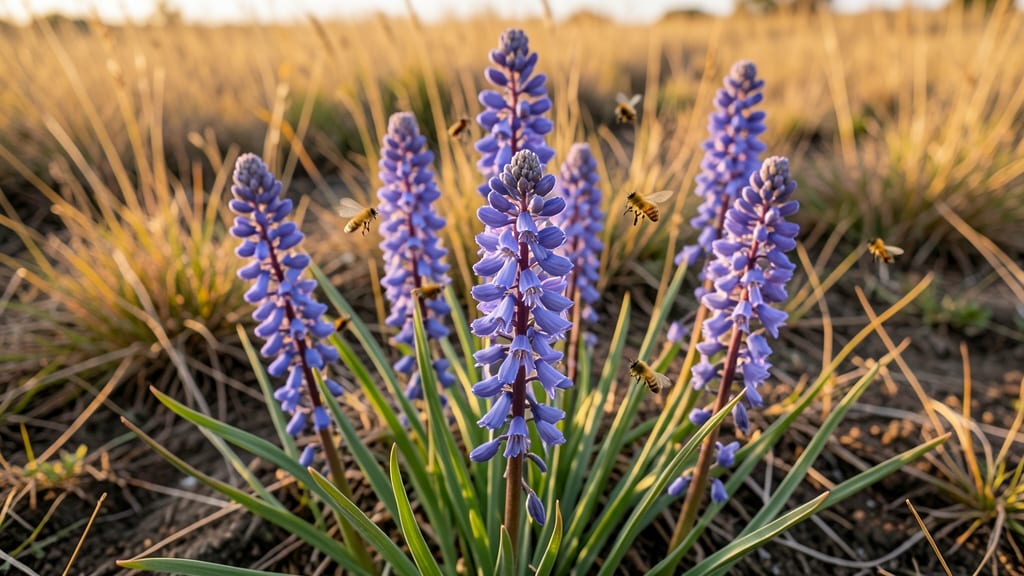
If you're dreaming of a pollinator paradise that thrives on neglect, Camassia Leichtlinii (Great Camas) is your prairie powerhouse. This native bulb delivers 3-foot-tall spikes of lavender-blue blooms that hum with bees and butterflies while demanding almost no water once established.
Plant the bulbs in full sun to partial shade in fall, spacing them 6 inches apart in well-draining soil. Unlike fussy hybrids, Camassia tolerates poor soil and drought once rooted, making it perfect for restoring native ecosystems or filling large garden spaces with minimal effort. The blooms appear in late spring, lasting weeks and attracting more pollinators than most ornamental bulbs.
Ecological gardeners and prairie restorationists will love this low-maintenance native that spreads gradually to create natural meadows. It’s also a great choice for urban gardens where water conservation is key. 🌻
Galanthus Elwesii (Giant Snowdrop)

Imagine stepping into your garden in late winter and finding Galanthus elwesii pushing through snow with its pristine white blooms—this is the magic of the giant snowdrop. Unlike many bulbs that wait for spring, these hardy beauties bloom in the coldest months, creating a breathtaking contrast against icy landscapes.
Native to the Caucasus Mountains, Galanthus elwesii thrives in zone 3, making it one of the most resilient bulbs for northern gardens. Plant them in shady borders or beneath trees, where they’ll naturalize over time into lush colonies. Each flower nods gracefully, with delicate green markings on the inner petals—a subtle detail that adds charm. They prefer moist, well-drained soil and benefit from a layer of mulch to protect them during harsh winters.
Perfect for woodland gardeners or those with shady spots, these snowdrops bring early color and a sense of tranquility. Their slow but steady spread means less maintenance and more rewards over the years. 🌿