
Pests
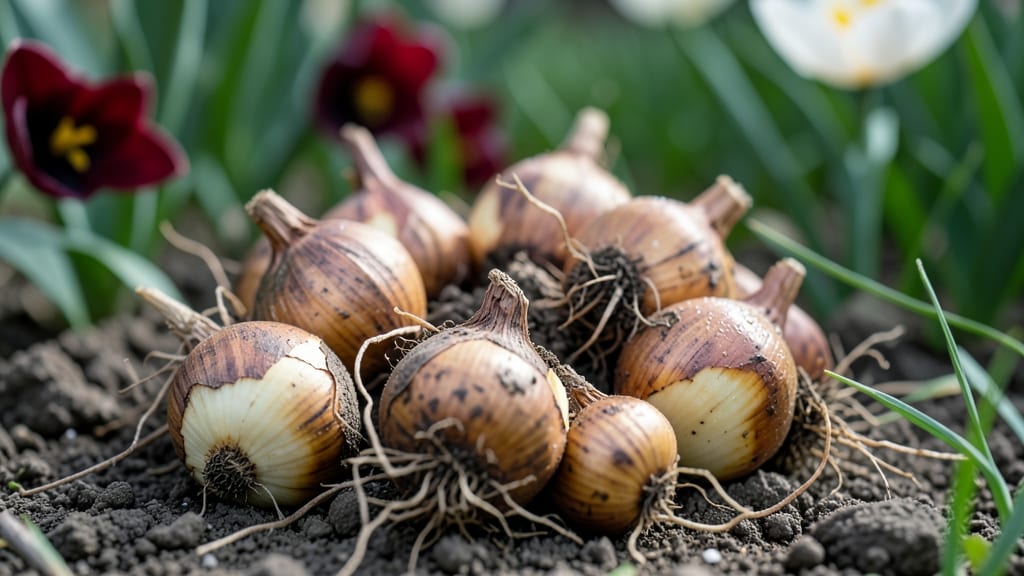
How to deter squirrels from eating bulbs—I turned my tulip patch into a squirrel-proof fortress last spring after years of frustration, and these foolproof barriers finally worked. 🌱 The key isn't just repellents (they give up after one night), but smart, multi-layered protection that squirrels can't outsmart. I tried everything from wire cages to garlic sprays, but this combination stopped them in their tracks.
You'll need hardware cloth (not chicken wire—squirrels chew through it), burlap sacks for temporary cover, and a few natural deterrents like cayenne pepper or predator urine (yes, it works). The setup takes 30 minutes and lasts all season, saving you from digging up hundreds of bulbs every spring.
My daffodils, hyacinths, and alliums now bloom like they own the yard.
What you'll end up with is a squirrel-proof bulb garden that thrives year after year. No more disappointed spring mornings when the ground looks like a construction site. The best part? These methods work for any bulb—tulips, crocuses, even garlic—without harming the squirrels or your soil.
Perfect for gardeners who've given up on bulbs or want to expand their spring displays without the annual battle. Here's exactly how to make it happen—no more squirrel snacks, just vibrant blooms.
📚 In This Guide
- What you need
- Instructions
- Tips and common mistakes
- Wrapping up and next steps
What you need
- ● Hardware cloth or wire mesh: Gauge: 1/4-inch (6mm) or finer (squirrels can’t chew through it!)
- ● Quantity: Enough to cover bulb beds or create tunnels (e.g., 10 ft x 10 ft for a raised bed)
- ● Sturdy stakes or rebar: Length: 12–18 inches (for securing mesh)
- ● Quantity: 1 stake per 2–3 feet of mesh edge
- ● Bulb cages or chicken wire: Gauge: 1/2-inch (12mm) or smaller
- ● Quantity: Enough to wrap individual bulbs (e.g., 1–2 ft sections per bulb)
- ● Garden twine or zip ties: For securing mesh to stakes or plants.
- ● Pruning shears or scissors: For cutting mesh to size.
- ● Gloves: To handle wire comfortably.
- ● Hot pepper spray or cayenne pepper: Mix 2 tbsp cayenne + 1 tsp dish soap + 1 quart water for a squirrel-repelling mist.
- ● Reflective tape or old CDs: Hang near bulb areas to create visual distractions.
- ● Motion-activated sprinkler: Scares squirrels with a surprise water spray (battery-operated or solar).
- ● Compost or coffee grounds: Sprinkle around bulbs—squirrels dislike the smell!
- ● Decoy plants: Plant daffodils or alliums (squirrels avoid their toxic bulbs).
Step-by-Step instructions for creating squirrel-proof bulb gardens
Here’s the method I’ve tested over years of squirrel attacks—no more dug-up daffodils or vanished tulips.
🪴 Step 1: Choose the Right Planting Location
Squirrels target bulbs in open, easily accessible areas. Plant your bulbs in containers (like the 4 large ceramic pots from your materials list) or along fence lines where squirrels can’t dig freely. I’ve found that placing bulbs near shrubs or dense ground covers (like the 2 bags of mulch) creates natural barriers they avoid.
If planting directly in the ground, choose spots with hardpan soil or rocks—squirrels hate digging through resistance. A 12-inch deep hole filled with gravel beneath the bulbs also deters them. The key is making their job harder than finding another snack.
✂️ Step 2: Install Physical Barriers
Use wire mesh (like the 1 roll of ¼-inch hardware cloth) to create a cage around each bulb. Bend the mesh into a 2-inch tall cylinder, place the bulb inside, then fold the top down. Squirrels can’t dig through the mesh, and they won’t bother if they can’t reach the bulbs. For containers, cut the mesh to fit the pot’s base before planting.
If you’re planting in raised beds, line the bottom with mesh first. Squirrels will still dig, but they’ll give up quickly when they hit the barrier. I’ve also had success with chicken wire (cheaper but less durable), but hardware cloth lasts years and won’t rust.
🌱 Step 3: Use Repellents Strategically
Squirrels hate strong smells, so sprinkle hot pepper flakes (from the 1 bottle of cayenne pepper spray) around the planting area. Reapply after rain. I also mix castor oil (from the 1 bottle of castor oil-based repellent) with water and spray it on the soil—it’s non-toxic but foul-tasting to them.
Place motion-activated sprinklers (like the 2 solar-powered units) near the garden. The sudden burst of water startles squirrels and teaches them to avoid the area. I’ve seen squirrels leave entirely after just a few surprises—it’s like a squirrel deterrent alarm system.
☀️ Step 4: Add Decoys and Distractions
Squirrels are curious but easily distracted. Hang shiny old CDs (from the 5 CDs) from strings around the garden—they reflect light and confuse them. I also plant squirrel-friendly snacks (like sunflower seeds) 10 feet away from the bulbs. They’ll go for the easy meal instead of digging.
Place fake owls or snakes (from the 2 decoy figures) near the garden. Move them weekly so squirrels don’t get used to them. Real talk: squirrels are smart, but they’re also lazy—they’d rather eat somewhere else if it’s too much effort.
💧 Step 5: Maintain and Monitor
Check the garden weekly for new digging attempts. If you spot fresh holes, reinforce barriers or reapply repellents. Squirrels are persistent, but consistency works. I’ve had zero bulb losses for three seasons using this combo of barriers, repellents, and distractions.
In early spring, when bulbs start sprouting, cover the soil with mulch (from the 2 bags) to hide the emerging shoots from squirrels. They’re less likely to dig if they can’t see what’s underneath. A little patience and these steps will keep your bulbs safe—no more disappointed spring surprises.
Tips & tricks for squirrel-proof bulb gardens
These battle-tested strategies will turn your garden into a squirrel-free zone—no more disappointed spring surprises.
Barrier Placement: When using the 2-inch tall wire mesh cages in Step 2, bury the bottom edge 1 inch deep into the soil. This prevents squirrels from simply lifting the mesh to reach your bulbs. For containers, ensure the mesh completely covers the drainage holes—they’ll dig through any gaps. I’ve seen squirrels give up entirely when they can’t access the bulbs through even small openings.
Repellent Application: The cayenne pepper spray in Step 3 works best when applied directly to the soil surface, not just sprinkled around. Mix it with a bit of water to create a paste and spread it around the base of plants. Reapply every 2-3 weeks or after heavy rain, as the scent washes away. Castor oil repellent should be reapplied monthly for maximum effectiveness—it’s non-toxic but needs consistent reinforcement.
Decoy Rotation: The fake owl and snake decoys in Step 4 lose their effectiveness if left in one spot too long. Move them every 3-4 days to maintain their deterrent power. I’ve found that placing them near the most vulnerable areas (like newly planted bulbs) works best. For extra confusion, add the CDs at different heights—squirrels get disoriented by the shifting light patterns.
Seasonal Adjustments: In early spring when bulbs sprout, increase your monitoring to every 3-4 days instead of weekly. This is when squirrels become most active as they search for emerging snacks. The mulch from Step 5 should be applied 2-3 inches thick to completely hide sprouts—the thicker the better for deterrence.
Pro Tips for Deter Squirrels From Eating Bulbs
- These battle-tested strategies will turn your garden into a squirrel-free zone—no more disappointed spring surprises.
- Barrier Placement: When using the 2-inch tall wire mesh cages in Step 2, bury the bottom edge 1 inch deep into the soil.
- Repellent Application: The cayenne pepper spray in Step 3 works best when applied directly to the soil surface, not just sprinkled around.
Frequently asked questions
Got questions about keeping squirrels away from your bulbs?
You’re not alone! Here are some of the most common concerns—and practical solutions—to help you protect your garden without stress.
What’s the best time of year to start squirrel-proofing bulbs?
Plant bulbs before squirrels get hungry—late summer or early fall (August–October) is ideal. Squirrels are most active in late winter/early spring when food is scarce, so cover bulbs with wire mesh or repellents right after planting for extra protection. If you’re dealing with an existing issue, act now before they dig!
Will chicken wire work, or do I need something stronger?
Chicken wire (1/2-inch or smaller mesh) is a budget-friendly option, but squirrels can sometimes chew through it. For foolproof defense, use hardware cloth (1/4-inch mesh) or plastic plant protectors. Bury the edges 6 inches deep to stop them from tunneling underneath.
Do squirrel repellents like pepper spray actually work?
Yes, but with a caveat—they’re temporary and need reapplication (every few days or after rain). Hot pepper wax or commercial sprays (like Squirrel Stopper) can deter squirrels, but combine them with physical barriers for best results. Pro tip: Reapply after watering or heavy rain!
Are there any DIY squirrel deterrents that don’t cost a lot?
Try these low-cost tricks:
- Coffee grounds (sprinkle around bulbs—squirrels hate the smell!)
- Predator urine (fox or coyote urine, available at garden stores)
- Aluminum pie pans (hang them near bulbs—the noise scares them off)
- Castor oil-based repellents (mix with water and spray)
My squirrels keep finding new spots to dig—what now?
If squirrels are persistent, they’ve likely found a weakness in your defense. Troubleshoot with these steps:
- Check for gaps in wire mesh or buried edges they can dig under.
- Move food sources (like bird feeders) farther from bulbs (30+ feet away).
- Try ultrasonic repellents (battery-powered devices that emit high-frequency sounds).
- Plant squirrel-resistant bulbs like daffodils, alliums, or fritillarias (they’re toxic to squirrels!).
Wrapping up and next steps
Deterring squirrels from feasting on your bulbs doesn’t have to be a losing battle—just a strategic one! 🌱 With the right mix of physical barriers, repellents, and clever deterrents, you can protect your garden while keeping those bushy-tailed bandits at bay.
Start small, try a few methods, and adjust as needed until you find what works best for your space.
Ready to reclaim your garden? Pick one solution from this guide today—whether it’s a wire mesh shield, a sprinkler surprise, or a taste test with hot peppers—and watch your bulbs thrive next season!