
Blooming
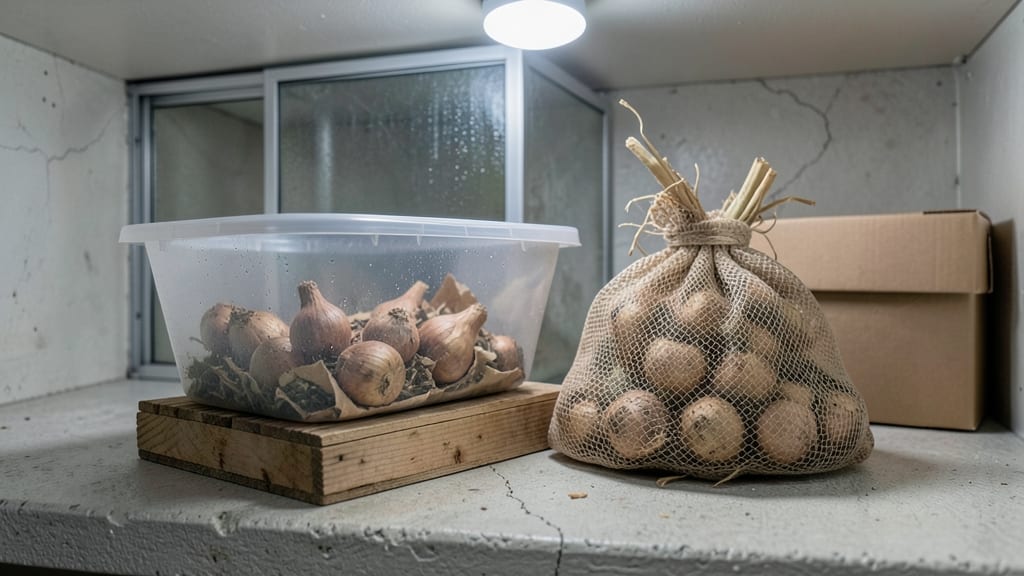
Gladiolus bulbs in winter need cold dormancy—store them in a dry, frost-free space with temperatures between 35–50°F and minimal light exposure. Mulch garden beds deeply before freezing to protect planted bulbs, and avoid watering once foliage yellows.
Cold dormancy is how gladiolus bulbs reset their growth cycle for next season's vibrant blooms. 🌱 Unlike tropical plants, they actually need this chilly period to break dormancy and trigger flowering.
I've found that bulbs stored in cardboard boxes with peat moss stay perfectly happy in my garage's consistent 40°F temperature. For gardeners in warmer climates, extending dormancy with a few extra weeks of cool storage can help sync blooming with your preferred season.
If you're growing gladiolus in-ground, the key is timing—dig them up after the first hard frost when foliage turns yellow. Never let them freeze in the soil, as this can damage the corms.
I always mark my calendar for early November in my zone 6 garden, giving me a head start before winter sets in. For container growers, just move pots to a sheltered spot and cover with straw mulch to mimic the natural insulation of soil.
💡 In This Article
- Gladiolus Chill Hour Requirements Explained
- Step-by-Step Winter Care for Gladiolus Bulbs
Gladiolus chill hour requirements explained
Gladiolus bulbs need a specific amount of cold exposure—called chill hours—to break dormancy and trigger next year's blooms. These requirements typically range from 300 to 600 chill hours, where temperatures stay consistently between 32–45°F for at least 15 hours daily.
This cold period mimics their natural winter cycle in temperate climates, signaling the bulb that it's time to prepare for growth. Without enough chill hours, your gladiolus may produce weak stems or even fail to flower entirely.
The magic happens through a process called vernalization, where the bulb's internal clock resets. Temperature fluctuations between 35–50°F during the day and slightly cooler nights help regulate this process.
For example, in USDA Zone 5, gladiolus naturally get these chill hours outdoors, while gardeners in Zone 8 or warmer may need to extend dormancy with extra weeks of cool storage.
I've seen bulbs stored in a refrigerator's crisper drawer (set to 38°F) for 8–10 weeks produce stronger blooms than those with insufficient chill.
Regional adjustments are crucial—bulbs from cooler climates may need fewer chill hours than those from warmer areas. In Zone 3, where winters are harsh, bulbs might only need 300 chill hours because the natural freeze-thaw cycle provides the necessary temperature swings.
Meanwhile, in Zone 10, gardeners often need to simulate winter conditions by storing bulbs in a cool, dark place for 4–6 months before replanting. This mimics the seasonal changes their native habitats experience.
Light exposure during dormancy is equally important—minimal light prevents premature sprouting. I've noticed that bulbs stored in opaque containers or wrapped in newspaper stay dormant longer than those exposed to even indirect sunlight.
This is because light triggers gibberellins, hormones that promote growth, which we don't want during the dormant phase. For extra safety, I cover stored bulbs with a layer of peat moss or vermiculite to block any stray light while maintaining moisture balance.
What most gardeners overlook is the role of temperature consistency. Sudden warmth or light can "trick" bulbs into thinking spring has arrived, causing them to sprout early and weaken. This is why I keep my stored bulbs in a garage or basement where temperatures stay steady.
A 10°F fluctuation in a day can disrupt the dormancy process, so monitoring your storage space is key. For those without ideal conditions, a simple thermometer placed near the bulbs can help track and adjust as needed.
Here's a quick reference for chill hour needs by region:
- Zones 3–5: 300–400 chill hours (natural winter provides enough)
- Zones 6–7: 400–500 chill hours (may need slight extension)
- Zones 8–10: 500–600 chill hours (requires simulated dormancy)
Remember, the goal is to mimic nature's rhythm—not rush it. With the right chill hours, your gladiolus will burst into vibrant blooms come spring, rewarding your patience with stunning color. 🌸