
Planting
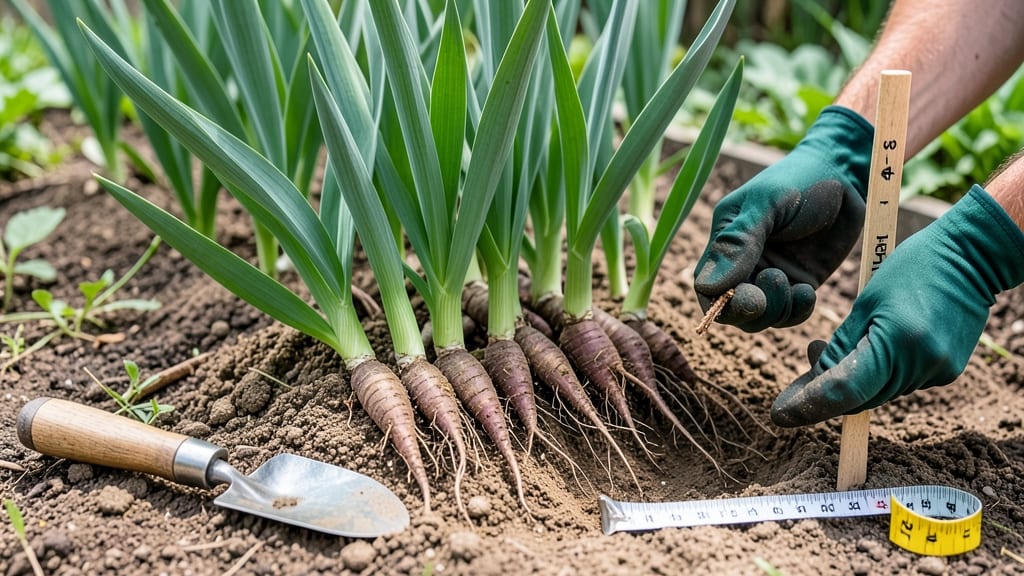
Correct iris bulb planting depth by type: rhizomes vs. true bulbs
Iris bulbs aren't all created equal, and planting them at the wrong depth can spell disaster for your garden. Bearded iris rhizomes (the most common type) need to be planted differently than Siberian iris bulbs or Louisiana iris tubers.
Getting the depth right ensures strong roots, vibrant blooms, and plants that thrive for years. Let's break down the exact planting depths for each type so you can plant with confidence.
The key difference lies in their structure: rhizomes (thick, fleshy roots) vs. true bulbs (round, layered underground storage). Rhizomes need partial exposure to sunlight, while true bulbs require full soil coverage. Understanding these distinctions will transform your iris planting success rate from guesswork to guaranteed growth.
For bearded iris rhizomes, the golden rule is to plant them with the top half exposed and only 2-3 inches of soil covering the bottom half. This exposure prevents rot while allowing the rhizome to absorb sunlight.
When planting, position the fan-shaped rhizome with the neck pointing upward—this ensures proper growth direction and prevents the plant from bending awkwardly.
With Siberian iris bulbs, the approach changes dramatically. These true bulbs should be planted 2-3 inches deep with the pointy end facing upward. Unlike rhizomes, they thrive when fully covered by soil.
The deeper planting helps protect these bulbs from extreme temperature fluctuations and provides stability for their upright growth habit. Always firm the soil gently around the bulb to eliminate air pockets.
Louisiana iris tubers strike a middle ground, requiring only 1-2 inches of soil coverage. These tubers prefer moist, well-draining soil and should be planted with the flat side downward. The shallower depth encourages quick root establishment, which is crucial for these water-loving irises. If your soil drains poorly, consider amending it with compost or sand to prevent rot.
One common mistake I see is planting rhizomes too deep, which suffocates them and leads to rot. Conversely, burying true bulbs too shallowly exposes them to frost damage or drying out.
Always check the soil type—sandy soil may need slightly deeper planting, while clay soil should have slightly less coverage to prevent waterlogging. A simple finger test works: after planting, gently press the soil around the bulb or rhizome.
Seasonal timing also affects depth perception. In fall planting, cooler soil temperatures mean rhizomes can handle slightly deeper placement. Conversely, spring planting requires shallower depths to prevent overheating. Adjust by ½ inch based on your climate zone—warmer regions may need shallower planting, while cooler zones can go slightly deeper.
Pro tip: Mark your iris beds with stakes or flags after planting to remember where they are. This helps with future care like dividing clumps every 3-5 years, which is essential for maintaining vigor. When dividing, always replant rhizomes at the same exposed depth to avoid shocking the plant.
Remember, the goal is to mimic the iris's natural growing conditions. In the wild, rhizomes often grow partially exposed, while true bulbs are buried. By following these depth guidelines, you'll give your irises the best chance to establish strong roots, produce stunning blooms, and thrive for seasons to come.
Step-by-step guide to planting iris bulbs at the right depth
Getting the planting depth right for iris bulbs is key to their success. Unlike true bulbs, iris rhizomes (the thick, fleshy roots) need special handling. Plant them too deep, and they’ll rot; too shallow, and they’ll bake in the sun.
Let’s break it down so your irises thrive from the first season.
Most gardeners plant in fall, but timing matters too—especially in USDA Zone 6a where frost can sneak up. The goal is to give rhizomes time to root before winter dormancy.
For bearded iris, the most common type, the rule is simple: half above soil, half below. But let’s make it foolproof with these step-by-step instructions.
- 1 Choose the right time: Plant bearded iris rhizomes in early fall (6-8 weeks before first frost) or late winter (after frost danger passes). Siberian iris prefer spring planting for cooler climates.
- 2 Prep the soil: Amend with compost or sand for drainage. Irises hate soggy roots. Test pH 6.0-7.0—add lime if needed. Dig a trench 6 inches deep and 12 inches wide for multiple rhizomes.
- 3 Position rhizomes: Place rhizomes horizontally (not vertically) with the top half exposed and bottom half covered (2-3 inches deep). The growth fan (where leaves emerge) should face upward. Space 12-24 inches apart for mature plants.
- 4 Adjust for climate: In hot climates, add 2-3 inches of mulch (straw or bark) to protect exposed rhizomes. In cold zones, cover with 4-6 inches of mulch after planting to insulate roots.
- 5 Water deeply: Soak the soil after planting, then water weekly (1 cup per rhizome) until leaves appear. Reduce to every 10-14 days once established. Avoid wetting foliage to prevent rot.
- 6 Fertilize lightly: Apply a balanced 5-10-10 fertilizer in early spring (1 tbsp per plant). Skip fertilizer in fall—irises need to harden off for winter. Use compost tea for organic growth.
- 7 Divide every 3-4 years: When clumps grow overcrowded, dig up rhizomes in late summer, separate the growth fans, and replant immediately. This rejuvenates blooms and prevents disease.
Proper depth isn’t just about the numbers—it’s about drainage and exposure. If your soil stays wet, add gravel or perlite to the trench. For Siberian iris, bury the true bulbs 2-3 inches deep (they’re more delicate than rhizomes). Always plant with the pointy end up to avoid confusion.
Patience pays off: iris rhizomes take 2-3 years to reach full bloom, but with the right depth, you’ll enjoy vibrant flowers for decades. Mark your planting spots with stakes to avoid disturbing them during lawn care—your future self will thank you!