
Flowers
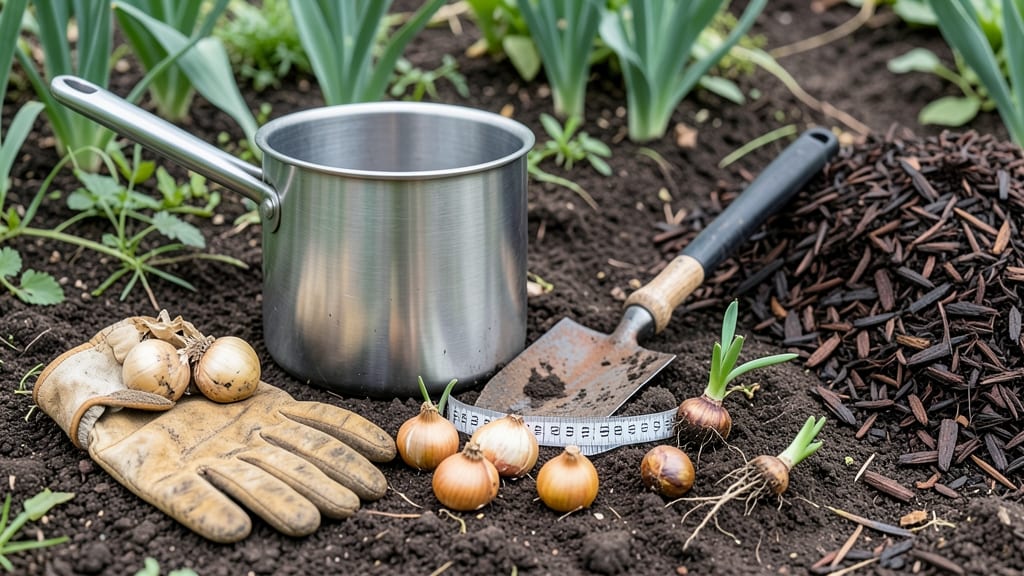
You can plant flower bulbs in spring in mild climates or for heat-loving varieties like dahlias, but most bulbs thrive when planted in fall for winter root growth. For spring planting, opt for cold-resistant bulbs such as tulips or daffodils and set them in workable soil once temperatures reach 60°F+.
Spring planting works best for bulbs that prefer warmer soil and can tolerate brief frost, like cannas or gladiolus. The key is timing—roots need 4-6 weeks to establish before blooming season.
I’ve found that container gardening extends spring planting windows in cooler areas, letting you grow tropical bulbs like caladiums that wouldn’t survive winter outdoors. Just avoid soggy soil, which can cause rot—always plant in well-draining spots and water lightly until leaves appear.
💡 In This Article
- Best Spring-Planted Flower Bulbs and Their Growth Cycles
- Spring Bulb Planting Guide: Soil, Depth, and Aftercare
Best spring-planted flower bulbs and their growth cycles
The secret to successful spring bulb planting lies in understanding each variety's natural growth rhythm. Most bulbs—like tulips, daffodils, and crocuses—prefer fall planting because they need 6-8 weeks of cold dormancy to trigger blooming.
However, spring-planted bulbs thrive because they either originate from warmer climates or have adapted to shorter growing seasons. For example, gladiolus bulbs (corms) grow best when planted in spring because their roots establish quickly in warm soil, producing dramatic spikes of blooms by summer.
Consider these key factors when choosing spring bulbs: frost tolerance and heat requirements. Tropical bulbs like caladiums (elephant ears) and cannas need soil temperatures above 65°F to sprout, making them perfect for spring planting in zones 8-11.
Meanwhile, dahlias (technically tubers, not true bulbs) can be planted as early as 2 weeks before last frost in cooler zones, as their thick stems store energy for rapid growth.
The contrast with fall-planted bulbs is striking: while tulips need 40-50°F soil to root, cannas won’t emerge until soil reaches 70°F.
What most gardeners overlook is how bloom timing correlates with planting season. Spring-planted bulbs like bearded iris and daylilies (rhizomes) produce flowers 60-90 days after planting, while fall-planted tulips wait until spring for their display.
This difference explains why spring planting works for late-season bloomers—their growth cycle aligns with warmer months. For instance, planting canna rhizomes in April (zone 7) ensures they’ll burst into tropical foliage by June, while fall-planted crocuses would already be dormant.
Regional climate zones dictate which bulbs succeed in spring. In USDA zones 9-11, gardeners can plant almost any bulb in spring, including amaryllis and lilies, which prefer warm soil.
But in zones 4-6, only cold-hardy varieties like tulips or alliums thrive when planted in spring, as they can tolerate brief frost once established. The key is matching the bulb’s native climate to your local conditions—think of it like dressing for the weather, but for plants!
Here’s a quick reference for spring planting windows by bulb type:
- Tropical bulbs (cannas, caladiums): Plant when soil reaches 65°F+ (typically 2-4 weeks after last frost)
- Tubers (dahlias, gladiolus): Plant 2-4 weeks before last frost for early blooms
- Cold-hardy bulbs (tulips, daffodils): Plant in cool spring soil (50-60°F) to avoid heat stress
Pro tip: If you’re in a transitional zone (like zone 7), start with container-grown bulbs—they warm up faster and let you extend the planting window by 2-3 weeks. I’ve seen canna rhizomes in pots bloom 3 weeks earlier than those planted directly in cold ground! 🌱