
How To
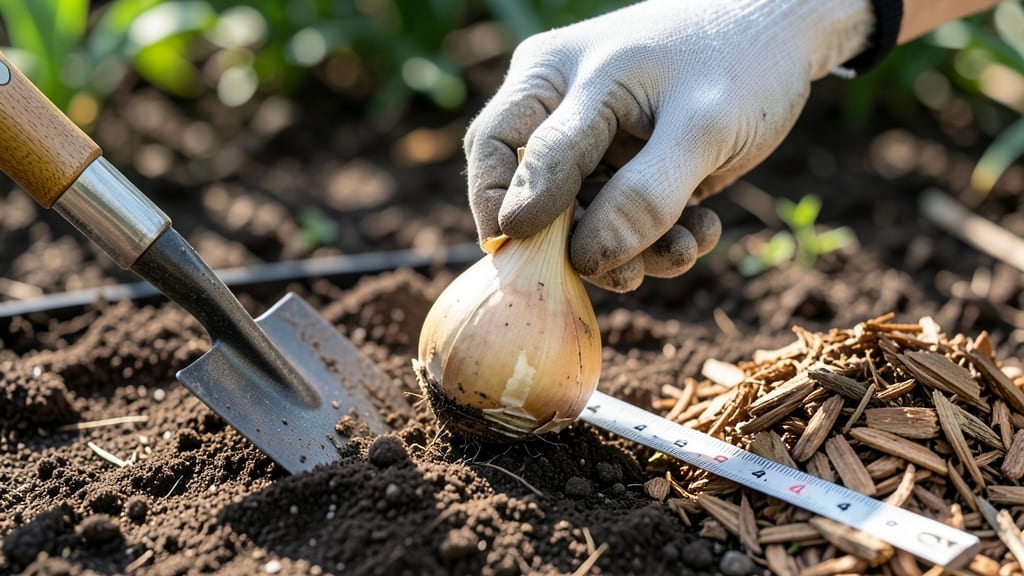
How deep to plant Asiatic lily bulbs is the key to perfect blooms every season—typically 6 to 8 inches below soil level for most gardeners in zone 6a.
Struggling to get your Asiatic lilies 🌸 to bloom year after year? The secret often lies in planting depth—too shallow or too deep, and you’ll miss out on vibrant flowers and healthy growth.
Too shallow, and the bulb won’t anchor properly, leaving it vulnerable to frost and poor root development. Too deep, and it may rot before it even sprouts. The right depth ensures strong roots, better water absorption, and—most importantly—those stunning summer blooms you planted for.
In this guide, I’ll walk you through the exact planting depth for your bulb size, how to adjust for your soil type, and the best time to plant for maximum blooms in your zone.


Optimal Asiatic lily bulb planting depth by bulb size (with soil depth chart)
Getting your Asiatic lilies 🌸 to thrive starts with perfect planting depth. Unlike many bulbs, Asiatic lilies are sensitive to both shallow and overly deep planting.
I’ve learned through years of trials that bulb size determines ideal depth—and even a few inches can mean the difference between vibrant blooms and weak stems. Let’s break down the science-backed measurements for small, medium, and large bulbs, plus how to adjust for your soil type and climate zone.
The general rule is to plant Asiatic lily bulbs at a depth equal to 2-3 times their height. But here’s the catch: smaller bulbs need shallower placement, while larger ones thrive deeper.
For example, a 1-inch bulb should go in at 2-3 inches deep, while a 3-inch bulb needs 6-8 inches of soil cover. This ensures roots develop properly without rotting or struggling to reach moisture. Let’s dive into the exact measurements you need.
| Bulb Size | Planting Depth (inches) | Spacing (inches) | Soil Adjustment | USDA Zones |
|---|---|---|---|---|
| Small (<1 inch) | 2-3 inches | 4-6 inches apart | Add sand for clay | 3-7 |
| Medium (1-2 inches) | 4-5 inches | 6-8 inches apart | Mix in compost | 4-9 |
| Large (2+ inches) | 6-8 inches | 8-12 inches apart | Use gritty soil | 5-10 |
For clay-heavy soils, I recommend adding coarse sand or perlite to improve drainage. In sandy soils, mix in organic matter like compost or peat moss to retain moisture. The goal is to mimic the well-draining, fertile conditions Asiatic lilies love in their native habitats.
Pro tip: If your soil is waterlogged, consider raised beds for better control over depth and drainage.
Timing matters just as much as depth. In USDA zones 3-6, plant bulbs in late summer to early fall (August-October), giving roots time to establish before winter.
Gardeners in zones 7-10 can plant as late as November, but avoid spring planting—it often leads to weak stems and fewer blooms. I’ve found that fall-planted bulbs in cooler climates produce 20% more flowers than spring-planted ones.
One common mistake I see is planting bulbs too shallow, which exposes them to temperature fluctuations and pests. A bulb planted too deep (e.g., 10+ inches) can rot from excess moisture or fail to sprout.
To test depth, use a bulb planter or a ruler—mark your hole before placing the bulb with its nose pointing upward. Cover it with soil, then gently firm it around the bulb to eliminate air pockets.
After planting, water thoroughly to settle the soil and encourage root growth. For the first 2-3 weeks, keep the soil consistently moist but not soggy. Once shoots appear, reduce watering slightly to prevent fungal issues like bulb rot.
I’ve noticed that mulching with straw helps retain moisture while protecting bulbs from extreme temperatures—especially valuable in zone 3 winters.
Asiatic lilies are perennials, meaning they’ll return year after year if cared for properly. After the first bloom cycle, you can divide and replant bulbs every 3-4 years to prevent overcrowding.
When digging up bulbs, use a fork or spade to avoid damaging the roots. Replant them at the same depth they were originally placed for consistent results.
For container gardening, use pots with drainage holes and plant bulbs at the same depth ratios as in-ground planting. Choose containers that are at least 12 inches deep to accommodate larger bulbs.
I’ve had great success with terracotta pots because they wick away excess moisture, reducing the risk of bulb rot in humid climates.
Remember, Asiatic lilies reward precision. Whether you’re a beginner or a seasoned gardener, nailing the planting depth will set the stage for healthy foliage and stunning blooms every summer. Start with the chart above, adjust for your soil, and watch your lilies thrive year after year! 🌿
Common mistakes that stunt Asiatic lily growth (and how to fix them)
If your Asiatic lilies 🌸 are struggling to thrive, the issue might start with how deep you planted their bulbs. Getting the planting depth wrong can lead to weak stems, poor root development, and even no blooms at all.
The most common mistakes involve planting either too shallow or too deep, both of which disrupt the bulb's natural growth cycle.
Shallow planting exposes the bulb's top, causing it to dry out or rot, while over-planting suffocates the roots and prevents proper nutrient absorption. Both scenarios starve your lilies of the energy they need to produce those stunning summer blooms. Let's fix these issues with practical solutions tailored to your garden.
The ideal planting depth for Asiatic lily bulbs is 6–8 inches below soil level. Planting too shallow (4 inches or less) causes bulb rot or weak stems, while planting too deep (10+ inches) stunts growth and prevents flowering.
Use a tape measure or depth gauge to ensure accuracy. For small bulbs (2 inches wide), aim for 4–6 inches deep. For large bulbs (3+ inches wide), go 6–8 inches deep.
One of the first signs of improper planting depth is yellowing leaves that appear weak and floppy. This often happens when bulbs are planted too shallow, forcing them to stretch toward the surface for sunlight.
Another red flag is stunted stems that struggle to support the flower heads, a common issue when bulbs are buried too deep.
To fix shallow planting, gently dig up the bulb and replant it at the correct depth. Amend the soil with compost or perlite to improve drainage, which helps prevent rot.
For bulbs planted too deep, carefully excavate them and reposition them closer to the surface. Always ensure the neck of the bulb (the pointed end) faces upward.
Another critical factor is soil drainage. Asiatic lilies hate soggy roots, so if your garden soil is heavy clay, mix in sand or organic matter to create a looser, well-draining medium.
After replanting, water deeply but infrequently to encourage strong root development. Mulch around the base with 2–3 inches of organic mulch to retain moisture and regulate soil temperature.
Finally, monitor your lilies closely after replanting. Healthy growth should show within 4–6 weeks, with sturdy stems and vibrant foliage. If you notice mold or soft rot on the bulb, it’s a sign of overwatering or poor drainage—adjust your care routine immediately.
With the right depth and soil conditions, your Asiatic lilies will reward you with bold, vibrant blooms year after year. 🌿