
Blooming
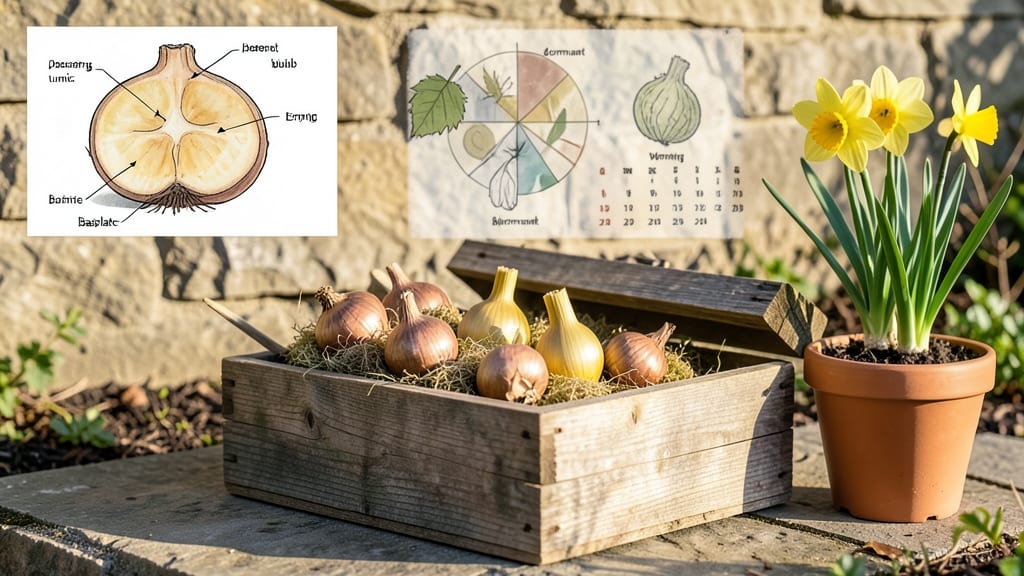
Daffodil bulbs planted in the ground thrive for 3 to 5 years under ideal conditions, while dug-up bulbs typically last 1 to 3 years in storage when maintained at cool temperatures, low humidity, and proper airflow. Heirloom varieties especially benefit from careful handling to preserve their vigor.
Understanding how long daffodil bulbs last depends on whether they remain in the soil or are stored. 🌱 When planted, bulbs gradually weaken over time as energy reserves deplete, but consistent care—like well-draining soil and seasonal mulching—can extend their lifespan.
For stored bulbs, the key is mimicking winter dormancy conditions: temperatures between 35°F and 50°F and humidity under 70% prevent premature drying or rot. I’ve found that bulbs stored in breathable mesh bags with dried peat moss last longer than those kept in sealed plastic containers.
One common misconception is that all daffodil bulbs follow the same timeline. Heirloom varieties often outlast common hybrids due to their stronger genetic resilience, while smaller bulbs (like those from younger plants) may degrade faster.
Proper curing after digging—letting bulbs dry for 1-2 weeks in a shaded, airy spot—also plays a critical role in preventing storage-related diseases.
💡 In This Article
- Factors Affecting Daffodil Bulb Longevity in Soil
- Optimal Storage Conditions for Digged-Up Daffodil Bulbs
Factors affecting daffodil bulb longevity in soil
The lifespan of daffodil bulbs planted in the ground hinges on their ability to establish a robust root system and maintain energy reserves. In ideal conditions—well-draining soil with a pH of 6.0-7.0—bulbs can thrive for 3-5 years as they develop deeper roots each season.
The key is balancing moisture and aeration; soggy soil accelerates rot, while dry conditions stress the bulb's delicate tissues. I’ve observed that bulbs in USDA Hardiness Zones 3-8 naturally adapt to seasonal dormancy, conserving energy during winter to bloom vigorously in spring.
Climate plays a surprising role in bulb longevity. In colder regions, daffodils often outlast their warmer-zone counterparts because the winter chill period triggers deeper dormancy, preserving their energy. Conversely, in mild climates, bulbs may bloom earlier but weaken faster due to less pronounced seasonal cycles.
Watering practices also matter: Overwatering in late summer can cause bulbs to sprout prematurely, depleting their reserves before winter. A 1-inch-per-week watering schedule during active growth (spring/fall) supports longevity without overburdening the bulb.
Pests and diseases silently shorten bulb lifespans. Narcissus fly larvae, for example, burrow into bulbs, turning healthy tissue into hollowed-out shells within months. Fungal infections like Basal Rot thrive in damp conditions, creating mushy, discolored bulbs that fail to sprout.
I’ve found that applying a neem oil spray in early fall and planting bulbs 6 inches deep (to deter surface-dwelling pests) can add 1-2 extra years of viability. Even minor damage from squirrels or improper handling during planting can trigger decay.
Seasonal care is non-negotiable for extending bulb life. After flowering, allow the foliage to yellow naturally—this process replenishes the bulb’s energy stores. Cutting back too soon starves the bulb, reducing its lifespan by up to 50%.
Mulching with 2-3 inches of straw in winter insulates bulbs from extreme cold while preventing soil compaction. In warmer climates, providing a light shade during peak summer heat prevents the soil from overheating, which can cook the bulb’s delicate tissues.
Heirloom daffodils often outperform hybrids due to their stronger genetic makeup. Varieties like 'Ice Follies' or 'Thalia' can last 5-7 years in the ground with proper care, while newer hybrids may degrade in 3 years.
The difference lies in their ability to resist pests, tolerate wider soil conditions, and store more starch—nature’s energy reserve. For gardeners, this means choosing varieties matched to their climate and soil type can double or triple bulb longevity.
One often-overlooked factor is the bulb’s age at planting. Younger bulbs (1-2 years old) establish more slowly and may only last 2-3 years in the ground, while mature bulbs (3+ years old) can persist for decades with minimal intervention.
The secret? Planting larger bulbs (2-3 inches in diameter) gives them a head start on energy reserves, making them more resilient to environmental stresses.