
Blooming
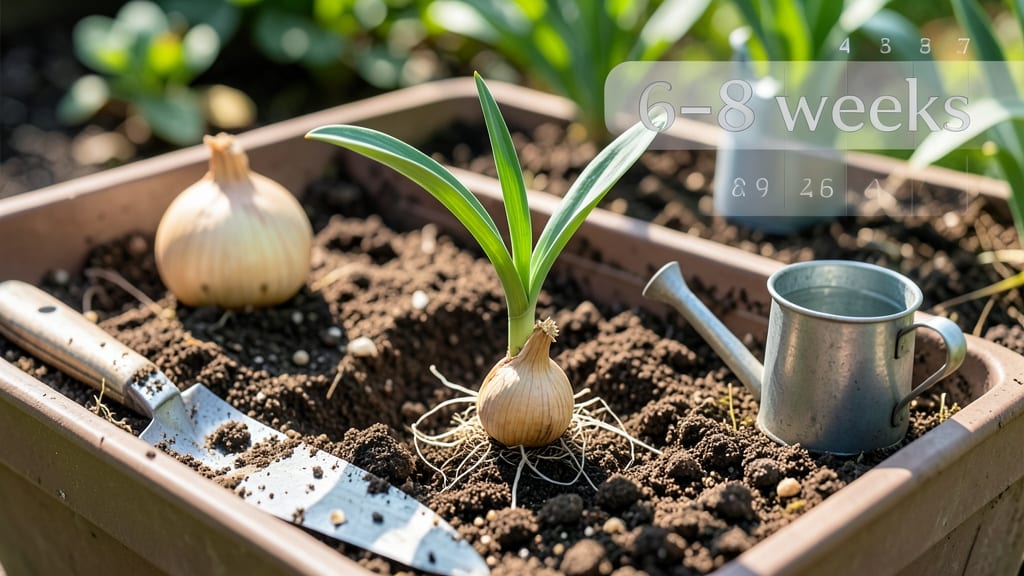
Lily bulbs take anywhere from 4 to 12 weeks to sprout after planting, depending on whether they’ve had a cold treatment—something most gardeners overlook.
You’ve planted your 🌸 bulbs in the perfect soil, but weeks pass with no sign of life. That’s because lilies often need a dormant period to break dormancy, and without it, sprouting can take twice as long. The good news? A little cold stratification can cut that timeline in half.
In this guide, I’ll walk you through the exact sprouting stages—from pre-chilling to the first shoots breaking through—and how soil temperature, bulb type, and even moisture levels can speed up or slow down growth.
You’ll also learn how to tell when your bulbs are ready to sprout (and what to do next), plus the fastest way to jumpstart growth if your garden zone isn’t cold enough on its own.
Lily bulb sprouting timeline: from planting to first shoots
Lily bulbs need patience and the right conditions to break dormancy and sprout. Unlike seeds, they often require a cold stratification period to trigger growth. Without this step, your bulbs might sit underground for months—or never sprout at all.
Understanding the timeline and stages helps you set realistic expectations and troubleshoot delays.
The sprouting process varies by lily variety, with Asiatic lilies typically sprouting faster than Oriental or Trumpet lilies. Even within the same type, factors like soil temperature, moisture levels, and bulb health can shift the timeline by weeks.
Let’s dive into what to expect at each stage and how to optimize conditions for success.
| Stage | Timeframe (Weeks) | Key Actions | Ideal Conditions |
|---|---|---|---|
| Pre-Chilling (Dormancy) | 0-12 weeks | Store bulbs in cool, dry place (40-50°F). | Low humidity, no light exposure. |
| Cold Stratification | 4-12 weeks | Chill bulbs at 35-45°F (refrigerator or outdoor). | Moist peat moss, dark environment. |
| Post-Chilling (Root Growth) | 2-4 weeks | Plant bulbs in well-draining soil (60°F+). | Sunlight exposure, consistent moisture. |
| First Shoots (Emergence) | 3-8 weeks | Monitor for green shoots (2-4 inches tall). | Warm soil (65°F+), 6+ hours sun. |
| Established Growth | 8-12 weeks | Fertilize lightly (10-10-10) and stake if needed. | Deep watering, supportive stakes. |
Note: Oriental lilies may take 2-4 weeks longer to sprout than Asiatic varieties.
Your lily bulbs’ journey begins with dormancy, where they store energy for growth. Without a cold stratification period, bulbs may fail to sprout or produce weak shoots. For Asiatic lilies, this phase lasts 4-6 weeks in cool conditions, while Oriental lilies often need 8-12 weeks.
Think of it as a reset button—just like your phone needs a reboot to run smoothly!
Once chilled, bulbs enter the root growth stage, where roots develop underground before shoots appear. This hidden phase can take 2-4 weeks, depending on soil temperature.
If your soil stays below 60°F, roots may grow slowly or stall entirely. Use a soil thermometer to monitor—aim for 65°F or warmer for faster progress.
After roots establish, shoots emerge in 3-8 weeks, depending on the variety. Trumpet lilies often lag behind, taking closer to 6-8 weeks, while Asiatic lilies may pop up in just 3-5 weeks.
Watch for green tips breaking the soil surface—this is your cue to start light fertilization and staking for taller varieties.
Environmental factors like moisture and sunlight play critical roles. Overwatering can rot bulbs, while drought stress halts growth. Aim for consistently moist (not soggy) soil and 6+ hours of sunlight daily. If shoots appear weak or yellow, check for pests like slugs or fungal issues from poor drainage.
One common mistake is planting bulbs too early before soil warms. If you plant in cold soil (below 50°F), bulbs may rot or fail to sprout.
Wait until your last frost date has passed and soil reaches 60°F+. For northern climates, this might mean waiting until late May or June.
Healthy bulbs are your best bet for timely sprouting. Before planting, inspect bulbs for soft spots, mold, or shriveled scales. Discard any damaged bulbs—they won’t sprout well. Store healthy bulbs in a cool
Cold-stratification tricks to jumpstart lily bulb growth
Lily bulbs often need a cold dormancy period to break dormancy and sprout. Without proper cold-stratification, your bulbs might sit dormant for months, leaving you wondering how long do lily bulbs take to sprout.
The good news? You can mimic winter conditions at home to jumpstart growth in just 4-12 weeks—no frost required.
Cold-stratification tricks work by tricking bulbs into thinking they’ve experienced winter. Whether you use your refrigerator or outdoor methods, the goal is consistent 40-50°F temperatures for the right duration. This process is especially critical for Oriental and Asiatic lilies, which are pickier about dormancy needs than hardier varieties.
How long do lily bulbs take to sprout? Without stratification, 6-12 months—with it, 4-8 weeks after warm-up. Over-stratifying (12+ weeks) can weaken bulbs, while under-stratifying (3 weeks) may leave them dormant. Test one bulb first to gauge your climate’s needs.
For refrigerator stratification, place bulbs in a paper bag with moist peat moss or perlite. Store them in the crispier drawer (not freezer!) for 8-12 weeks.
Check moisture weekly—bulbs should feel damp but not soggy. This method is ideal for indoor gardeners in warm climates who can’t wait for natural winter.
Outdoor stratification is simpler: plant bulbs in fall (October-November) before the ground freezes. Mulch heavily with straw or leaves to insulate them. By spring thaw, they’ll be ready to shoot. This works best in USDA Zones 5-8, where winters naturally provide the needed chill.
Transitioning bulbs to warm conditions is where many gardeners stumble. After stratification, gradually move bulbs to room temperature (60-70°F) over 3-5 days. Plant them in well-draining soil and keep soil consistently moist (not waterlogged). Avoid direct sunlight until shoots appear—gentle morning light is best to prevent shock.
Common mistakes that delay sprouting include premature planting (before stratification ends), inconsistent moisture during cold treatment, or skipping the warm-up phase. If bulbs still refuse to sprout after 8 weeks post-stratification, check for rot or pests—discard any mushy bulbs and replant healthy ones.