
Planting
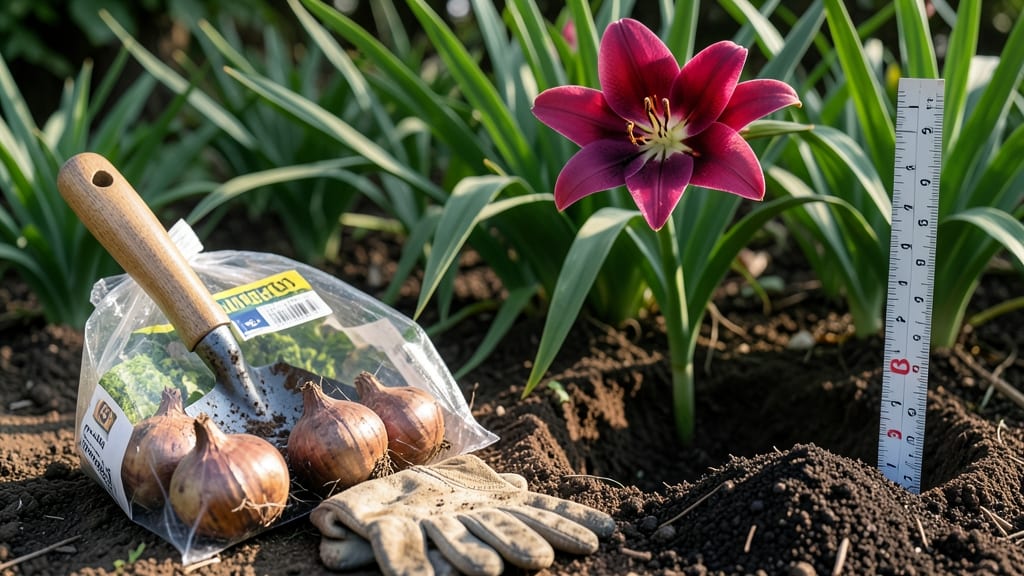
How to plant lily bulbs in the ground at the right depth and spacing is what transforms a patch of dirt into a showstopping garden display. 🌸 I’ve planted hundreds of bulbs, and the difference between a thriving clump and a flop comes down to these two simple rules: 6 inches deep and 12 inches apart. Too shallow, and they’ll flop over; too crowded, and they’ll fight for sunlight. The best time to plant is after the last frost when soil warms to 60°F, usually late spring in most zones. Choose a spot with full sun (at least 6 hours daily) and well-draining soil—lilies hate soggy feet. Amend heavy clay with compost or sand to keep roots happy. Once planted, water deeply to settle the soil, then let nature take over. You’ll see emergent shoots in 2-3 weeks, followed by those iconic trumpet blooms by mid-summer. The key is patience—lilies reward careful planting with years of dramatic color. Avoid common mistakes like planting too early (they’ll rot) or over-fertilizing (which encourages leaves over blooms). Stick to the basics, and you’ll have bold blooms that turn heads every season.
📚 In This Guide
- What you need
- Instructions
- Tips and common mistakes
- Wrapping up and next steps
What you need
- ● Lily bulbs: Choose healthy, firm bulbs (1-3 inches in diameter, depending on variety). Aim for 10-20 bulbs for a small garden bed or 20+ bulbs for a bold display.
- ● Well-draining garden soil: Lilies prefer loamy, slightly acidic soil (pH 6.1-7.0). Amend heavy clay or sandy soil with 2-3 inches of compost or organic matter (like peat moss or aged manure).
- ● Bone meal or bulb fertilizer: Mix 1-2 tablespoons per bulb into the planting hole for extra nutrients. Look for a balanced 5-10-10 or high-phosphorus (10-20-10) formula to encourage root and bloom growth.
- ○ Mulch (optional but recommended): Use 2-3 inches of shredded bark, straw, or pine needles to retain moisture and protect bulbs from temperature fluctuations.
- ● Garden trowel or bulb planter: A sharp, sturdy trowel (6-8 inches deep) works best for digging precise holes.
- ● Garden fork or spade: For loosening soil in larger planting areas (12-18 inches deep if amending soil).
- ● Measuring tape or ruler: To ensure proper depth (6-8 inches) and spacing (6-12 inches apart, depending on bulb size).
- ● Gloves: Heavy-duty gardening gloves to protect your hands from thorns (especially on Asiatic or Oriental lilies) and soil.
- ● Watering can or hose with a gentle spray nozzle: Lilies need consistent moisture but hate soggy soil.
- ● Choose a sunny spot: Lilies need at least 6 hours of direct sunlight daily for vibrant blooms.
- ● Pick the right season: Plant bulbs in early fall (6-8 weeks before the first frost) or early spring (after the last frost), depending on your climate zone.
- ● Check for slope or drainage: Avoid low-lying areas where water pools—lilies rot if waterlogged. Raise beds if needed.
Step-by-step guide to planting lily bulbs for stunning blooms
Here’s how to plant lily bulbs with precision—so you’ll get those bold, showstopping blooms every season.
🌱 Step 1: Choose the Right Location and Prepare the Soil
Lilies thrive in full sun (at least 6 hours daily) and well-draining soil. I pick a spot with morning sun and afternoon shade for my zone 7 garden—this prevents scorching in summer. Before planting, loosen the soil to a depth of 12 inches with a garden fork. Lilies hate soggy roots, so if your soil drains poorly, mix in 2-3 inches of compost or sand to improve aeration.
Test your soil’s pH—lilies prefer slightly acidic to neutral (6.1-7.0). If your soil is heavy clay, add a layer of gravel at the bottom of the planting hole to create a drainage barrier. This one step prevents bulb rot, which is a common killer of newly planted lilies.
🌱 Step 2: Plant Bulbs at the Correct Depth and Spacing
Dig holes 3 times as deep as the bulb’s height—so a 6-inch bulb goes 18 inches deep. Place the bulb with the pointy end facing up (this is where the stem will emerge). I like to plant mine 12-24 inches apart, depending on the variety. Smaller lilies (like Asiatic) can go closer together, while Oriental lilies need more space to avoid overcrowding.
Gently backfill with soil, pressing lightly to remove air pockets but not compacting too firmly. Water deeply right after planting to settle the soil and encourage root growth. You’ll see why this matters when you avoid the frustration of bulbs rotting or failing to sprout.
☀️ Step 3: Mulch and Water for Strong Establishment
Spread 2-3 inches of mulch (like shredded bark or straw) around the base of the plants, but keep it 3 inches away from the stems to prevent moisture buildup. Mulching helps retain soil moisture and regulate temperature—critical for lilies in hot climates. Water once a week during the first growing season, giving 1 inch of water each time. You’ll know you’re doing it right when the soil stays moist but not soggy.
Watch for the first shoots in 4-6 weeks—they’ll look like slender, grass-like leaves. This is your green light that the bulbs are happy and roots are establishing. If you see yellowing leaves, it’s a sign of overwatering or poor drainage.
⏰ Step 4: Fertilize and Maintain for Long-Term Blooms
After the first flush of growth, apply a balanced, slow-release fertilizer (like 10-10-10) in early spring. Lilies are heavy feeders, so I fertilize again in mid-summer to support next year’s blooms. Avoid high-nitrogen fertilizers—they’ll give you lots of leaves but few flowers. Instead, opt for a low-nitrogen, high-phosphorus blend to encourage blooming.
Deadhead spent blooms by cutting the flower stalk down to the base—this redirects energy back into the bulb for next year’s growth. In fall, reduce watering but don’t let the soil dry out completely. Lilies need moisture to store nutrients for the following season.
✂️ Step 5: Divide and Replant Every 3-4 Years
Lily bulbs multiply over time, and overcrowding leads to smaller blooms. In early spring or fall, dig up the clumps and separate the bulbs, discarding any that are soft or mushy. Replant the healthiest bulbs at the same depth, spacing them 12-24 inches apart. This keeps your lilies vigorous and ensures those dramatic blooms year after year.
If you notice fewer flowers or leggy stems, it’s time to divide. I’ve learned the hard way that skipping this step means weaker blooms—and nobody wants that after all the effort!
Tips & tricks for perfect lily bulb planting
Here's what nobody tells you about getting those showstopping blooms—it's all in the details.
Sunlight Strategy: That 6 hours of full sun is non-negotiable, but I've found morning sun with afternoon shade works best in hot climates. If your garden gets intense afternoon sun, consider planting near a wall or fence that provides some afternoon relief. The goal is to prevent scorching while still giving them plenty of light to fuel those dramatic blooms.
Depth is Everything: When you're digging those holes 3 times the bulb's height, remember this: the pointy end always faces up—that's where the stem emerges. I've seen people plant them upside down, and while the plant might still grow, you'll get fewer blooms. For a 6-inch bulb, that means 18 inches deep—use a measuring tape to verify, especially if you're planting multiple bulbs.
Drainage Rescue: If your soil is heavy clay, don't just mix in compost—add that gravel layer at the bottom of each hole. I've had to dig up rotting bulbs because people skipped this step. The gravel creates a drainage barrier that prevents water from pooling around the roots, which is critical for preventing bulb rot—the silent killer of newly planted lilies.
Watering Wisdom: That 1 inch of water per week should soak down to about 6 inches in the soil. To check, stick your finger in the soil—if the top inch is dry, it's time to water. Overwatering is just as bad as underwatering; yellowing leaves are your first warning sign that something's off with your watering routine.
Pro Tips for Plant Lily Bulbs In The Ground
- Here's what nobody tells you about getting those showstopping blooms—it's all in the details.
- Sunlight Strategy: That 6 hours of full sun is non-negotiable, but I've found morning sun with afternoon shade works best in hot climates.
- Depth is Everything: When you're digging those holes 3 times the bulb's height, remember this: the pointy end always faces up—that's where the stem emerges.
Frequently asked questions
Got questions about planting lily bulbs? You’re not alone! Here are answers to the most common concerns—so you can dig in with confidence and grow stunning blooms.
When is the best time to plant lily bulbs?
Plant lily bulbs in early fall (6–8 weeks before the ground freezes) for spring blooms, or in late winter/early spring in mild climates. Bulbs need time to establish roots before summer heat hits. If you miss fall, spring planting still works—just water deeply afterward to help them settle in.
How deep should I plant lily bulbs?
Lily bulbs thrive when planted 6–8 inches deep (twice the bulb’s height). Deeper planting prevents rot, while shallower depths risk frost damage or poor root growth. Use a trowel to dig a hole, place the bulb pointy side up, and cover with soil. Pro tip: Add a handful of compost for extra nutrients!
Can I plant lily bulbs too close together?
Space bulbs 6–12 inches apart (depending on variety) to avoid overcrowding, which leads to smaller blooms or disease. Give taller lilies (like Asiatics) more room (10–12 inches), while smaller types (like Martagon) can snuggle closer (6 inches). Think of it like a garden party—every bulb deserves space to shine!
What if my lily bulbs rot after planting?
Rot usually means too much moisture or poor drainage. Plant in well-draining soil, and avoid soggy spots. If your area gets heavy rain, raise beds slightly or add sand/perlite to the soil mix. Also, never plant bulbs in containers without drainage holes—roots need air!
Do I need to fertilize lily bulbs after planting?
Not right away! Wait until spring when shoots emerge, then apply a balanced fertilizer (10-10-10) or compost. Lilies are low-maintenance, but a light feeding boosts blooms. Skip heavy fertilizers—too much nitrogen = fewer flowers, more foliage. Think “less is more” for happy lilies!
Can I plant lily bulbs in containers instead of the ground?
Use large pots (at least 12 inches deep) with drainage holes and well-draining soil. Plant 1–2 bulbs per container, and overwinter them indoors in a cool, dark place if temperatures drop below 20°F. Just remember: Containers dry out faster, so water consistently.
Wrapping up and next steps
Planting lily bulbs is a rewarding way to add stunning color and elegance to your garden—just follow the right depth, spacing, and timing! 🌸 With the right soil prep, bulb placement, and a little patience, you’ll soon enjoy showstopping blooms that brighten up any landscape.
Now that you’re armed with the know-how, roll up your sleeves and get planting! Once your lilies are in the ground, don’t forget to check out our care guide to keep them thriving for years to come.