
Propagation
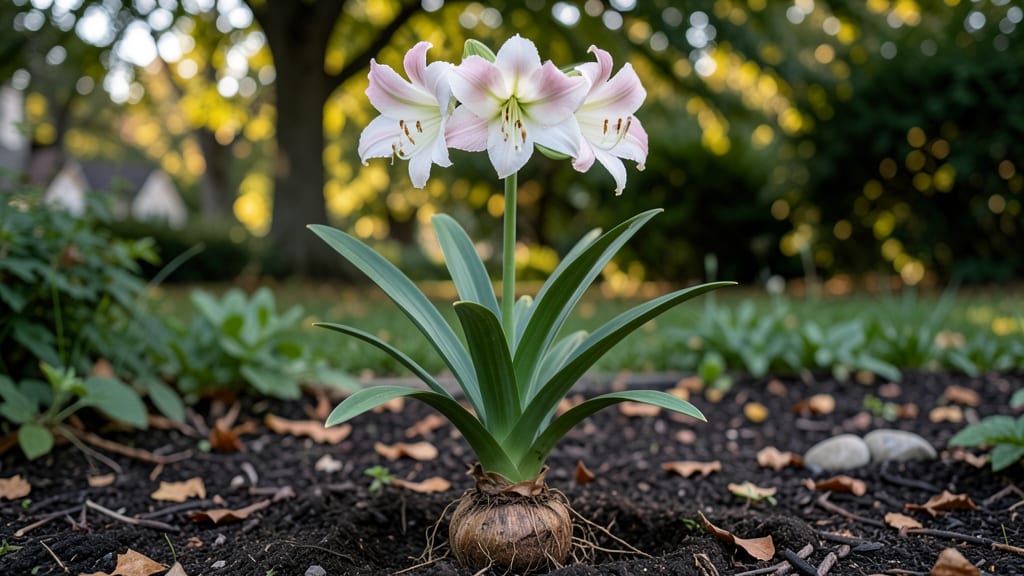
Forcing magic lily bulbs to bloom indoors this winter turns your living room into a fragrant, floral paradise. 🌱 I've forced these bulbs three winters running, and each time they deliver vibrant, long-lasting blooms that outshine any store-bought arrangement.
The secret lies in mimicking their natural dormancy cycle—cool, dark storage followed by precise warmth and light exposure. You'll need just three supplies: a paper bag for chilling, a well-draining pot (6+ inches deep), and a sunny windowsill.
Most garden centers sell these bulbs in fall, but if you miss that window, check online retailers. The key is patience—your bulbs need 8-12 weeks of chilling before they'll respond to forcing, so start planning now.
Once they bloom, you'll have 3-4 weeks of cut flowers, with stems that last even longer in vases. The fragrance alone makes it worth the effort—imagine waking up to that sweet, heady scent filling your home.
Just watch for lily beetles (those orange pests) and keep soil slightly moist but never soggy. These aren't true lilies (they're actually fritillaries), but the magic is real. With proper care, you can repeat the process next year, making winter blooms an annual tradition.
Here's exactly how to make it happen!
📚 In This Guide
- What you need
- Instructions
- Tips and common mistakes
- Wrapping up and next steps
What you need
- ● Magic lily bulbs: 3–5 bulbs (choose healthy, firm ones with no signs of rot or damage).
- ● Well-draining potting mix: 2–3 gallons (use a blend of cactus/succulent mix + perlite or pumice for aeration).
- ● Containers: Shallow pots (6–8 inches deep) with drainage holes or a forcing tray with a mesh bottom.
- ● Gravel or pebbles: 1–2 inches (for drainage at the bottom of pots).
- ● Watering can or spray bottle: With a fine rose attachment (to avoid overwatering).
- ● Grow lights or sunny windowsill: 6+ hours of indirect light daily (south-facing window or LED grow lights).
- ○ Thermometer (optional but helpful): To monitor soil temps (ideal range: 65–75°F).
- ● Bulb fertilizer: A balanced, water-soluble fertilizer (diluted to half-strength) for a nutrient boost.
- ● Humidity tray: To maintain moisture levels if your home is dry.
- ● Bulb chilling setup: A refrigerator or cool basement (for pre-forcing if bulbs aren’t dormant).
- ● Decorative pebbles or moss: For a polished, aesthetic touch in your containers.
Step-by-Step instructions for forcing magic lily bulbs indoors
Here's how I transform dormant bulbs into stunning winter blooms—no greenhouse needed.
🌱 Step 1: Select and Prep the Bulbs
Choose firm, plump bulbs with no soft spots or mold—those are your best candidates for forcing. I like to soak them in lukewarm water for 12 hours before planting to wake them up. This softens the outer layers and jumpstarts root growth. Drain them well afterward; soggy bulbs rot before they even sprout.
Place each bulb in its own 6-inch pot (the exact size from your materials list) filled with moistened potting mix. Position the bulb so the top third remains above soil—this is where the stem will emerge. Gently press the mix around it to secure without compacting. The goal is snug but not tight; you want roots to spread freely.
☀️ Step 2: Provide the Right Conditions for Root Growth
Keep the pots in a dark, cool spot with temperatures between 60-65°F for 8-10 weeks. I use a closet or under the sink—anywhere with consistent darkness. This mimics the winter dormancy period bulbs need to build roots before flowering. Check soil moisture weekly; it should stay lightly damp but never soggy.
You'll see roots pushing through the drainage holes in 4-6 weeks. That's your signal the bulb is ready for light. Until then, resist the urge to peek—light too soon and you'll get weak, spindly stems instead of strong blooms.
💧 Step 3: Transition to Light and Encourage Flowering
Once roots appear, move the pots to a bright spot with indirect light (a north-facing window works best). Gradually increase light exposure over 3-5 days to avoid shocking the plants. You'll notice the first green shoots in 2-3 weeks—those are your first true leaves, not the tiny cotyledons.
Water from the bottom now to avoid disturbing new growth. Let the soil surface dry slightly between waterings; overwatering at this stage causes the stems to rot before they reach the light. Keep temperatures between 65-70°F during the day and 55-60°F at night for optimal blooming.
⏰ Step 4: Maintain Through Blooming Season
When the flower stalk emerges (usually 6-8 weeks after moving to light), you're just weeks away from blooms. This is when the magic happens—watch for the bud to swell and open over 7-10 days. Each bloom lasts 3-5 days, so enjoy them daily before they fade.
Support tall stems with a small stake if needed. Deadhead spent blooms immediately to encourage more flowers. After blooming, reduce watering gradually and let the foliage yellow naturally—this helps the bulb store energy for next year. I always keep one bulb going to see how many blooms I can coax from it!
Tips & tricks for perfect magic lily bulbs
Here's what nobody tells you about forcing these winter wonders—tricks that'll make all the difference between spindly stems and showstopping blooms.
Soaking Secret: That 12-hour lukewarm soak in Step 1 isn't just about hydration—it's about waking up dormant enzymes. I use a shallow dish with just enough water to cover the bottom third of the bulb. Too much water and you risk rot; too little and you won't trigger the growth hormones. After soaking, I always pat them dry with a paper towel before planting to prevent soggy soil conditions right from the start.
The Light Transition: Moving bulbs to light after 4-6 weeks is where most people mess up. Don't rush this! Gradually increase light exposure over those 3-5 days by moving them closer to the window each day. I start with just 30 minutes of indirect light on day one, then double it each subsequent day. This mimics natural spring conditions and prevents the shock that causes weak stems. Think of it as sunbathing after winter hibernation.
Temperature Troubleshooting: Maintaining those 60-65°F temperatures during root growth is easier than you think. If your home runs warmer, place pots on a tray of ice cubes to cool them slightly—just enough to keep soil temps in range. For the 65-70°F day temps and 55-60°F nights, a simple thermometer in your growing area works wonders. I keep mine near the windowsill where the bulbs will eventually live. Pro tip: Avoid drafty spots near exterior doors or windows—they can cause temperature swings that stress the bulbs.
Bloom Extension Strategy: Want those 3-5 day blooms to last even longer? Deadhead immediately after petals fade, but don't cut the stem completely—leave a 1-inch stub. This encourages the bulb to redirect energy toward new buds rather than seed production. I've had bulbs produce 3-4 blooms in a single season using this method, and each subsequent bloom lasts just as long as the first. Just remember to keep watering consistent during this phase.
Pro Tips for Magic Lily Bulbs
- Here's what nobody tells you about forcing these winter wonders—tricks that'll make all the difference between spindly stems and showstopping blooms.
- Soaking Secret: That 12-hour lukewarm soak in Step 1 isn't just about hydration—it's about waking up dormant enzymes.
- The Light Transition: Moving bulbs to light after 4-6 weeks is where most people mess up.
Frequently asked questions
Got questions about forcing Magic Lily bulbs? You’re not alone!
Here are answers to the most common queries—from timing to troubleshooting—to help you grow stunning winter blooms indoors.
How long does it take for Magic Lily bulbs to bloom after forcing?
With proper care, Magic Lily bulbs typically bloom 6–8 weeks after starting the forcing process. Cold treatment (chilling) is key—skip it, and blooms may take longer or be less vibrant. Patience pays off for those dreamy winter flowers!
Can I force Magic Lily bulbs more than once?
Yes! These bulbs are perennial and can be forced 2–3 times over 2–3 years. After blooming, let the foliage die back naturally, then store the bulb in a cool, dry place (like a paper bag in the fridge) until your next forcing cycle. Just avoid over-forcing—rest is crucial!
What if my Magic Lily bulb isn’t sprouting?
No sprouts? Check these fixes:
- Temperature: Ensure your bulb is in a cool (50–60°F) spot for chilling, then move it to 65–75°F to wake it up.
- Moisture: Gently water the soil (not the bulb!) to prevent rot.
- Patience: Some bulbs take 2–4 weeks to sprout—don’t give up!
Are Magic Lily bulbs safe for pets?
Nope!
Magic Lily bulbs (like Lilium species) are toxic to cats and dogs if ingested. Keep them out of reach, and watch for symptoms like vomiting or drooling. Opt for pet-friendly alternatives like Paperwhite narcissus if needed.
What’s a good alternative if I can’t find Magic Lily bulbs?
Try these easy indoor bloomers for winter cheer:
- Paperwhite narcissus – Fragrant, fast, and pet-safe!
- Amaryllis – Bold blooms with minimal fuss.
- Crocus – Tiny but mighty, great for early spring.
Wrapping up and next steps
Growing magic lily bulbs indoors is a rewarding way to bring winter cheer into your home! With the right forcing techniques—like chilling, potting, and patience—you can coax stunning blooms even in cold months.
Whether you're a seasoned gardener or a beginner, these vibrant flowers are a magical addition to any space.
Ready to try? Start by gathering your supplies and following the steps above. Your winter garden adventure begins now—happy growing! 🌸✨