
Planting
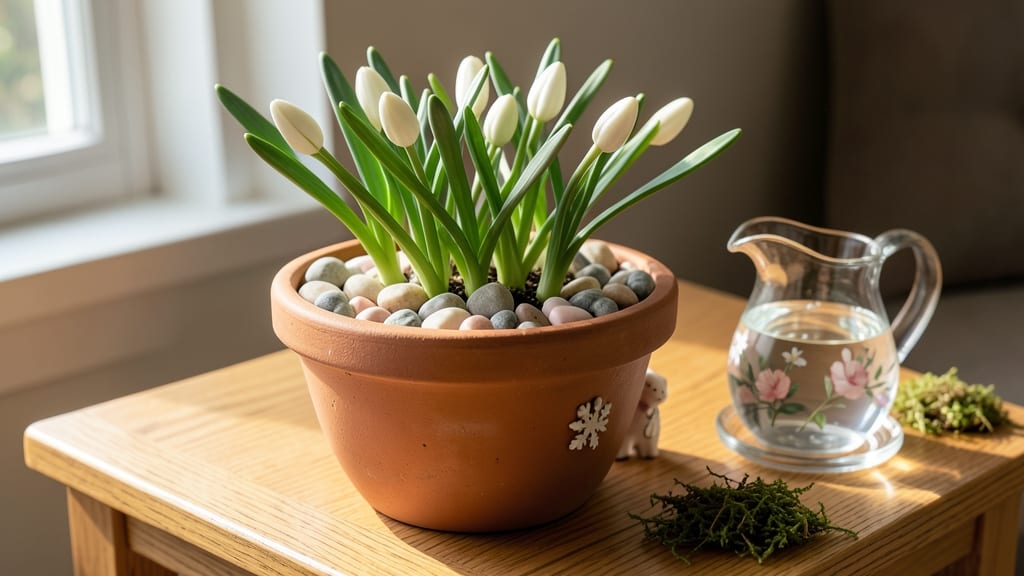
Paperwhite narcissus bulbs transform your winter home into a fragrant spring garden in just 3-4 weeks—no sunlight required. 🌱 I’ve forced these delicate blooms every December for years, and the secret isn’t complicated: it’s all about the right balance of moisture, warmth, and patience.
What starts as a handful of dormant bulbs becomes a cascade of tiny white flowers that smell like sunshine, even when it’s snowing outside.
The magic happens in a shallow container—no fancy setup needed. You’ll need pebbles, water, and a few bulbs, plus a bright spot (like a kitchen counter) where they’ll get indirect light. The bulbs don’t need soil, which makes this project foolproof for beginners.
Just arrange them closely, so their roots can tangle together for support, and watch as green shoots push through in 10-14 days.
By the time Valentine’s Day rolls around, you’ll have dozens of fragrant blooms that last for weeks in a vase. The scent alone—sweet, citrusy, and intoxicating—makes this project worth the effort.
Plus, the bulbs are non-toxic and pet-safe, so you can enjoy them guilt-free. The only downside? You’ll want to do it again next year.
Here’s the twist: these bulbs won’t survive outdoors after blooming, but that’s okay—they’re meant to be a temporary burst of color and joy. Perfect for forcing in late fall or winter, when the world outside is gray and still. Let’s get those bulbs blooming!
📚 In This Guide
- What you need
- Instructions
- Tips and common mistakes
- Wrapping up and next steps
What you need
- ● Paperwhite Narcissus bulbs: 3–5 bulbs (choose healthy, firm ones with no soft spots).
- ● Forcing medium: Option 1: Pebbles, gravel, or small stones (clean, ½–¾ inch in size; ~2–3 cups per bulb).
- ● Option 2: Perlite or vermiculite (sterile, moisture-retentive; ~1–2 cups per bulb).
- ● Option 3: A shallow container with water (for water-forcing; ~1–2 inches depth).
- ● Container: A wide, shallow dish or vase (6–8 inches in diameter for 3–5 bulbs).
- ● Water: Room-temperature tap water (chlorine-free if possible; ~1 cup per bulb for water-forcing).
- ○ Optional: Chicken wire or mesh (to secure bulbs in place if needed).
- ● Decorative pebbles or moss (for aesthetics in the container).
- ● Plant food (water-soluble, ¼-strength; 1 tsp per gallon of water).
- ● A cool, dark space (like a closet or basement) for the first 2–3 weeks.
- ● Indirect light (like a bright windowsill) after roots sprout (~4–6 inches long).
- ● Patience! Blooms typically appear in 4–6 weeks.
Step-by-step instructions for forcing paperwhite narcissus bulbs
Here’s how to coax fragrant blooms indoors in just weeks—no garden or sunlight required.
🌱 Step 1: Select and Prepare the Bulbs
Choose firm, plump paperwhite narcissus bulbs—avoid any with soft spots or sprouts already emerging. I always inspect mine for damage before buying, as even small bruises can rot during forcing. For 4 bulbs, you’ll need a shallow container like a decorative bowl or small pot with drainage holes. No special soil is required; a simple mix of ½ peat moss and ½ perlite works perfectly.
Fill the container about ½ full with your mix, then arrange the bulbs close together, neck-up and base-down, so they touch but don’t overlap. Paperwhites thrive in crowding—this mimics their natural habitat in dense clusters. Press them gently into the mix so they stand upright but aren’t forced down.
⏰ Step 2: Chill the Bulbs to Trigger Blooming
Cover the container with a plastic bag and place it in the refrigerator for 8-12 weeks. The cold period mimics winter dormancy, signaling the bulbs to break dormancy and begin growth. I set a reminder on my phone—this step is critical, and skipping it means no blooms. Keep the mix slightly moist (not soggy) during this time by misting lightly every 2-3 weeks.
Check the bulbs after 6 weeks: if you see green tips emerging, they’re ready to move. If not, leave them another 2 weeks. The goal is to avoid forcing them too early—they need that full cold snap to develop strong roots and stems.
☀️ Step 3: Move to Warmth and Light for Growth
Once the bulbs show 1-inch green shoots, transfer the container to a warm spot (65-70°F) with bright, indirect light. A sunny windowsill or under a grow light works well. Avoid direct sunlight, which can scorch the delicate leaves. I place mine on a bookshelf near an east-facing window—just enough light to encourage growth without stress.
Remove the plastic bag and water the mix thoroughly until water drains from the bottom. From now on, keep the soil evenly moist but never waterlogged. You’ll see roots pushing through the drainage holes in 1-2 weeks—that’s your sign everything is working. If the leaves yellow or wilt, you’re overwatering.
💧 Step 4: Encourage Blooming with Consistent Care
Continue watering when the top ½ inch of soil feels dry, using room-temperature water to avoid shocking the roots. Fertilize lightly with a ½-strength balanced liquid fertilizer (like 10-10-10) every 2 weeks once the stems reach 3-4 inches tall. This boosts bloom production without overfeeding, which can lead to weak stems.
Watch for buds to form at the top of the stems—this usually happens 4-6 weeks after moving to warmth. The blooms will open sequentially, starting with the lowest flower. To prolong their life, I trim spent blooms with sharp scissors and place the container in a cooler spot (55-60°F) at night. This mimics their natural evening chill and keeps them fresher longer.
✂️ Step 5: Extend the Display and Prepare for Storage
Once all blooms have opened, move the container to a cooler, shadier spot to slow wilting. Paperwhites are ephemeral—their beauty fades fast once the flowers drop. To preserve the foliage (which adds texture to arrangements), I keep them in a bright, indirect spot and water sparingly until the leaves yellow naturally.
After the foliage dies back, remove the bulbs from the mix and store them in a dry, cool place (50-60°F) for 2 months. Many gardeners toss them after blooming, but with proper storage, you can force the same bulbs again next year. I label mine with the date—this helps track their age and forcing cycles.
Tips & tricks for perfect indoor paperwhite narcissus blooms
These insider tricks will help you coax vibrant, fragrant blooms from your paperwhite narcissus bulbs—no matter your indoor conditions.
Bulb Selection Insight: Look for bulbs that are firm and plump, with no signs of mold or sprouting. The 4 bulbs you start with should feel heavy for their size—this indicates they're packed with stored energy for blooming. I always tap two bulbs together; if they sound hollow, they're past their prime. Store them in a paper bag in the fridge until ready to force, which helps preserve their freshness.
Chilling Strategy: The 8-12 week cold period is non-negotiable for reliable blooming. If you're short on time, you can reduce this to 6-8 weeks, but you might sacrifice bloom quantity. Place your container on the middle shelf of your fridge where temperatures stay consistently 35-40°F—the coldest part of most refrigerators. Use a small fan on low to improve air circulation, which prevents mold and ensures even chilling.
Lighting Secret: Once you move your bulbs to warmth, bright indirect light becomes crucial. If your windowsill isn't sufficient, a simple LED grow light on a timer (12-14 hours daily) works wonders. I position mine 6-12 inches above the foliage and adjust as stems grow. Watch for leaves turning yellow—this is your first sign of light stress. Rotate the container weekly to prevent lopsided growth toward the light source.
Fertilizing Timing: Wait until stems reach 3-4 inches before introducing fertilizer—this prevents overfeeding during the critical root development phase. I use a ½-strength liquid fertilizer every 2 weeks because paperwhites are sensitive to salt buildup. Always water thoroughly after fertilizing to prevent root burn. The first signs of effective fertilization are darker green leaves and thicker stems.
Pro Tips for Forcing Paperwhite Narcissus Bulbs
- These insider tricks will help you coax vibrant, fragrant blooms from your paperwhite narcissus bulbs—no matter your indoor conditions.
- Bulb Selection Insight: Look for bulbs that are firm and plump, with no signs of mold or sprouting.
- Chilling Strategy: The 8-12 week cold period is non-negotiable for reliable blooming.
Frequently asked questions
How long does it take for Paperwhite Narcissus bulbs to bloom after forcing?
With proper forcing, Paperwhite Narcissus bulbs typically bloom in 3 to 6 weeks. The timeline depends on factors like bulb size, temperature consistency (around 65–70°F), and light exposure. Smaller bulbs may take slightly longer, while larger ones can bloom faster—especially if they’re pre-chilled.
Do I need to pre-chill Paperwhite Narcissus bulbs before forcing?
Yes! Pre-chilling (or vernalization) is key for faster blooms. Place bulbs in the fridge for 8–12 weeks in a paper bag or mesh container before forcing. This mimics winter’s cold period, breaking dormancy and encouraging quicker growth. Skip this step, and blooms may take longer—or not appear at all.
Can I reuse Paperwhite Narcissus bulbs after they bloom?
Unfortunately, no—Paperwhite Narcissus bulbs are single-use for forcing. After blooming, they’ll wither and won’t regrow. However, you can save seeds (if pollinated) for future outdoor planting. For indoor forcing, buy fresh bulbs each season for the best results!
What’s the best alternative if I don’t have a sunny windowsill?
No sunlight? No problem! Use a grow light (like a LED bulb) for 12–14 hours/day to supplement. Place it 6–12 inches above the bulbs. A south-facing window is ideal, but indirect light works too. Avoid drafts—consistent warmth (not heat!) is critical for forcing success.
Why aren’t my Paperwhite Narcissus bulbs sprouting?
Common culprits include:
- Cold temperatures: Keep bulbs in 65–70°F (warmer spots speed up growth).
- Overwatering: Bulbs rot if submerged—water only when soil feels dry 1 inch down.
- No pre-chill: If skipped, bulbs may stay dormant. Try refrigerating them for 2 weeks first.
- Old or damaged bulbs: Use firm, plump bulbs—discard any with soft spots or mold.
Wrapping up and next steps
Forcing Paperwhite narcissus bulbs is a rewarding way to bring early spring cheer indoors—no sunlight required! 🌱 With just a few simple steps, you’ll enjoy fragrant blooms in weeks, perfect for brightening up dark winter days.
Whether you’re a gardening newbie or a seasoned plant enthusiast, this method is foolproof and endlessly satisfying.
Now that you’re armed with tips and tricks, give it a try! Grab your bulbs, pick your favorite container, and let nature’s magic unfold. Pro tip: Share your blooms on social media with #ForcedPaperwhites—we’d love to see your progress! 📸✨