
Vegetables
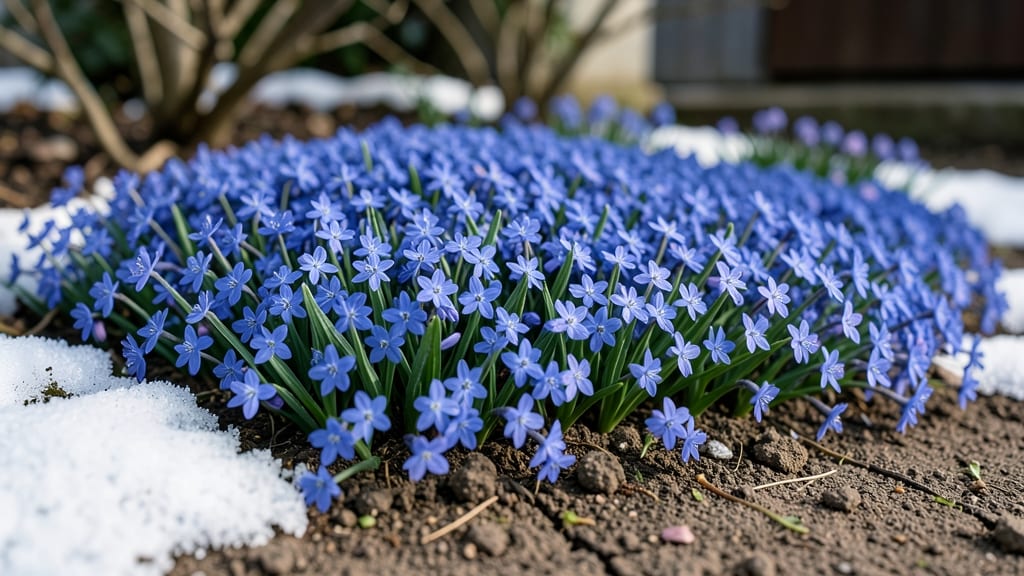
Spring shade gardens don’t have to be dull. These 10 mixed bulbs bring vibrant blooms, unique textures, and extended seasonal interest—even in low-light areas—while requiring minimal maintenance once established.
Snowdrops Galanthus Nivalis for Early Blooms
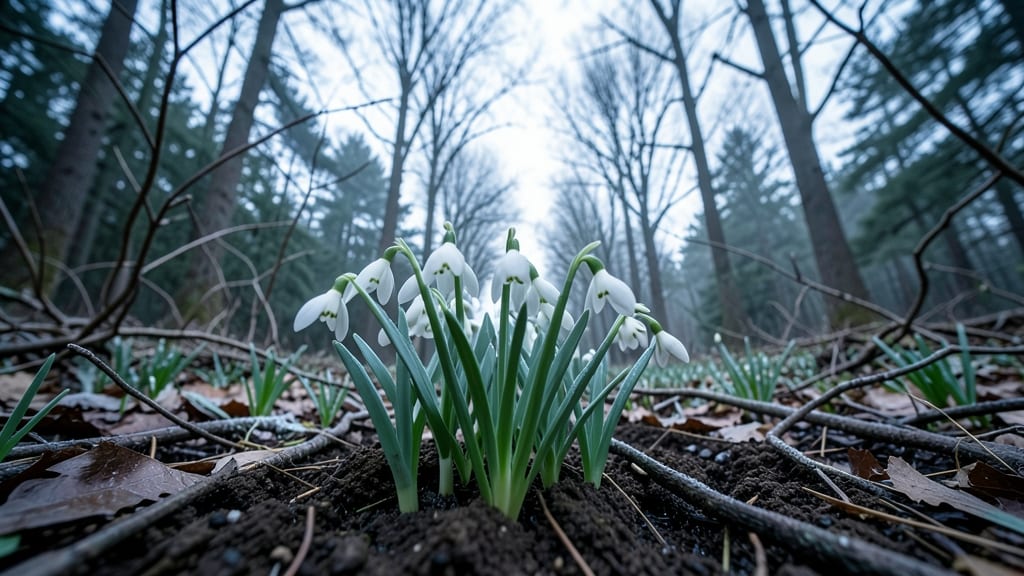
When your garden still looks asleep in late winter, snowdrops (Galanthus nivalis) burst through the soil like nature’s first cheerleader. These delicate white bells often bloom as early as December—sometimes even under snow—and signal that spring is on its way.
Plant them in deep shade where few other bulbs dare to grow, and they’ll naturalize over time into lush colonies. Snowdrops thrive in well-draining soil and prefer moist but not soggy conditions, making them perfect for woodland edges or under deciduous trees. Their hardiness (USDA zones 3-9) ensures they’ll return year after year with minimal care.
Woodland gardeners and beginners alike will love how snowdrops multiply effortlessly while adding a touch of elegance to shady spots. 🌱
Daffodils Narcissus Paperwhite for Fragrant Perfume
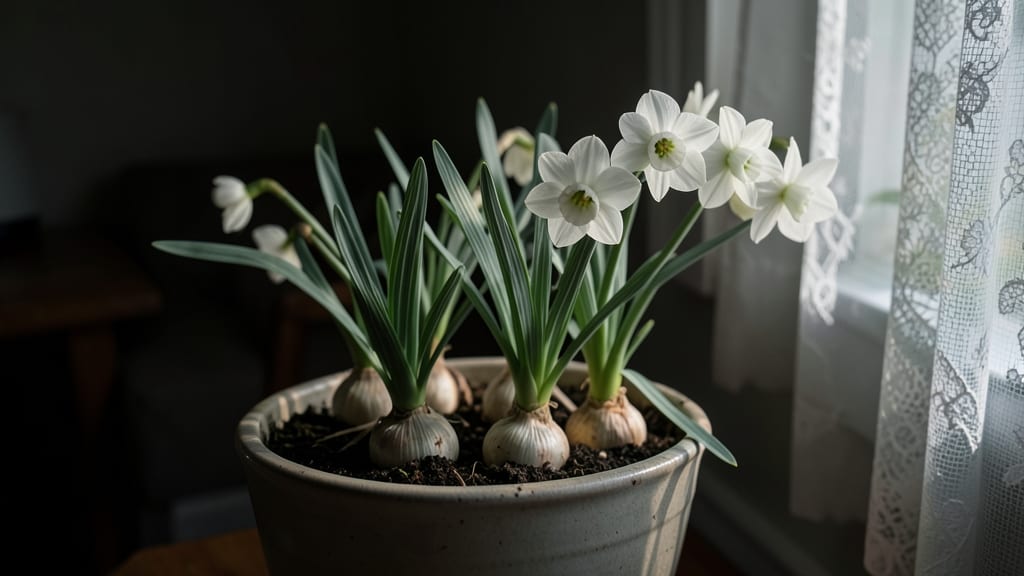
Looking for a fragrant bulb that thrives in shady corners and brightens winter spaces? Paperwhite daffodils (Narcissus papyraceus) deliver a sweet, citrusy perfume that fills dark rooms or outdoor nooks with cheerful scent. Unlike their spring-blooming cousins, these bulbs bloom indoors or outdoors in partial shade, making them perfect for forcing in winter or adding color to dim corners.
Plant them in well-draining soil, and they’ll bloom in just 6-8 weeks—no chilling required. Group them in containers or along shady borders for a cascading display. Their slender, fragrant blooms also attract early pollinators, giving your garden a head start on spring activity. Urban gardeners and apartment dwellers will love how they transform indoor spaces with their year-round potential.
Whether you’re forcing them for a holiday centerpiece or planting them outdoors for early shade color, these bulbs are a fragrant, low-maintenance gem. 🌱
Crocus Vernus for Bee-Friendly Early Color
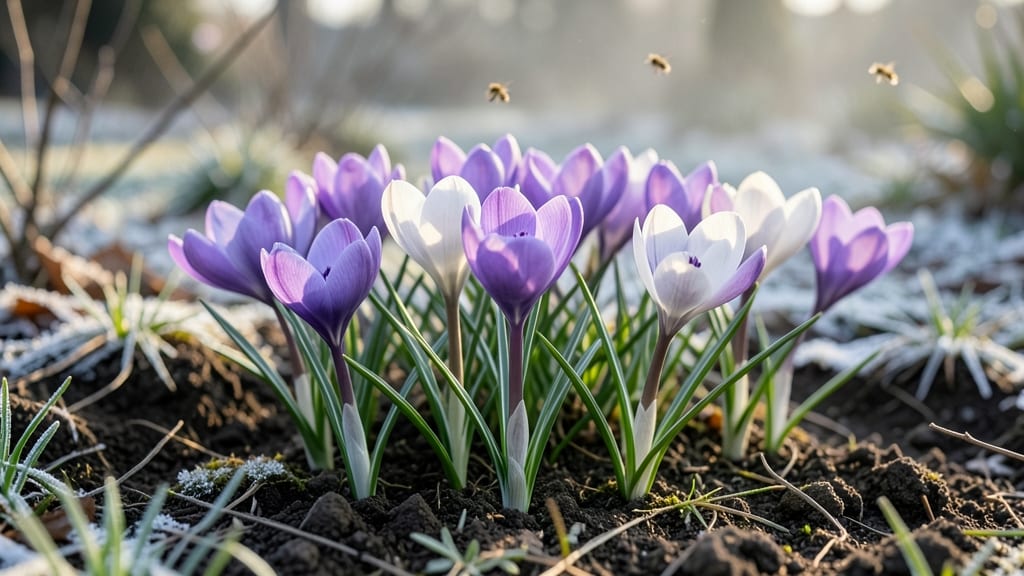
If you're eager to welcome bees and butterflies to your garden as soon as the ground thaws, crocus vernum is your secret weapon. These cheerful purple or white blooms punch above their weight by emerging early—often in late winter or early spring—when few other flowers are available to pollinators.
Plant crocus vernum in dry, well-drained soil under trees or shrubs where other plants struggle, and watch them spread naturally over time. The bulbs multiply quickly, creating dense carpets of color that return year after year with almost no effort. A single bulb can produce dozens of offsets, making them ideal for naturalizing in lawns or woodland edges.
Urban gardeners and pollinator enthusiasts will love how these bulbs thrive in dry shade while still attracting bees—sometimes even before snowdrops finish blooming. Just plant them in fall for a surprise burst of early spring color. 🌱
Bluebell Hyacinthoides Non-Scripta for Woodland Drama
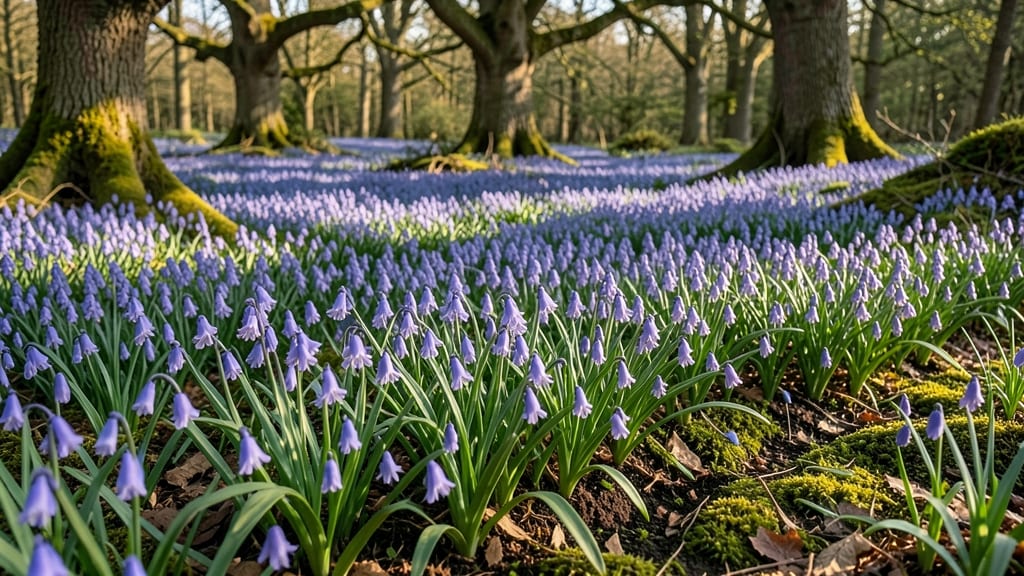
Transform your shady garden corner into a whimsical British woodland with bluebell Hyacinthoides non-scripta. Unlike delicate spring ephemerals, these aggressive spreaders form a sea of nodding blue flowers that naturalize effortlessly under trees, creating a magical carpet effect by late spring.
Plant bulbs in fall for a spring surprise, ensuring they receive dappled shade rather than deep darkness. Once established, they thrive with minimal care—water occasionally and let them multiply, but contain their spread with edging if needed. Their intense blue hue contrasts beautifully with ferns and hostas, making them a wildflower gardener’s dream.
Perfect for low-maintenance gardens or wildflower meadows, bluebells reward patience with years of drama. Just be prepared for their relentless charm! 🌿
Toad Lily Tricyrtis Hirta for Late-Season Interest
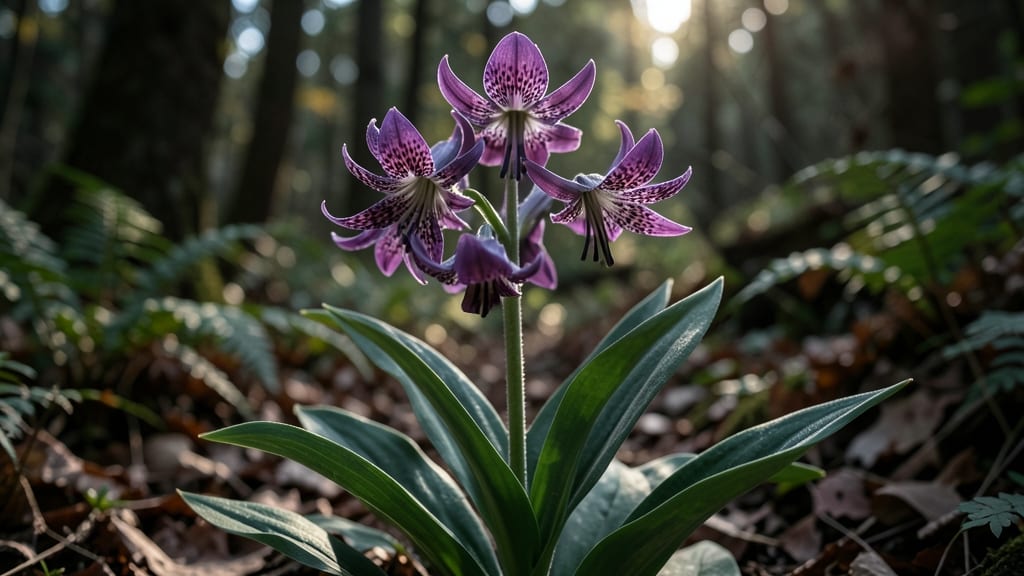
When your spring bulbs fade and summer perennials slow down, toad lily (Tricyrtis hirta) steps in to save the season with its dramatic, spotted purple blooms that appear in late summer and fall. This underrated gem thrives in deep shade where most bulbs struggle, making it a secret weapon for extending your garden’s color palette.
Plant the bulbs in well-draining soil with a layer of mulch to retain moisture—ideal for woodland gardens, foundation plantings, or under tall trees. The fragrant, lantern-like flowers attract hummingbirds and add a moody elegance to shady borders. Unlike spring ephemerals, toad lilies reward patience with year-round foliage that stays evergreen in mild climates.
Perfect for gardeners who want low-maintenance drama without sacrificing shade tolerance, these bulbs are especially valuable in regions with hot summers. Pair them with hostas or ferns for a lush, layered effect that keeps your garden vibrant well past Memorial Day. 🌿
Fritillary Fritillaria Imperialis for Dramatic Height
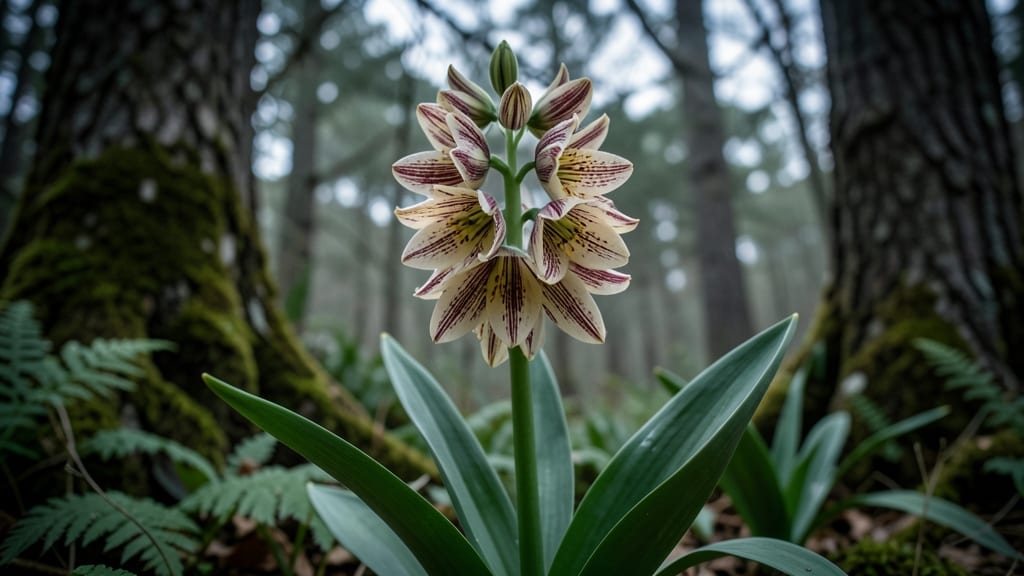
When you crave a dramatic focal point that doesn’t demand full sun, Fritillaria imperialis delivers with its towering, checkered blooms reaching 2 feet tall. Unlike most spring bulbs, this "imperial crown" thrives in partial shade, making it perfect for shady borders or woodland edges where other plants struggle.
Plant bulbs in well-draining soil 6-8 inches deep in early fall, spacing them 12 inches apart to accommodate their broad foliage. The bell-shaped flowers in shades of orange, purple, or maroon appear in late spring, followed by striking seed pods that add seasonal interest. While deer often avoid them, squirrels may dig up bulbs—bury them deeper or use wire cages for protection.
Cottage gardeners and container enthusiasts will love how this bulb commands attention without overwhelming smaller spaces. Pair it with hostas or ferns for a lush, layered look that blooms when many shade plants are still dormant. 🌻
Allium Globemaster for Bold Architectural Forms
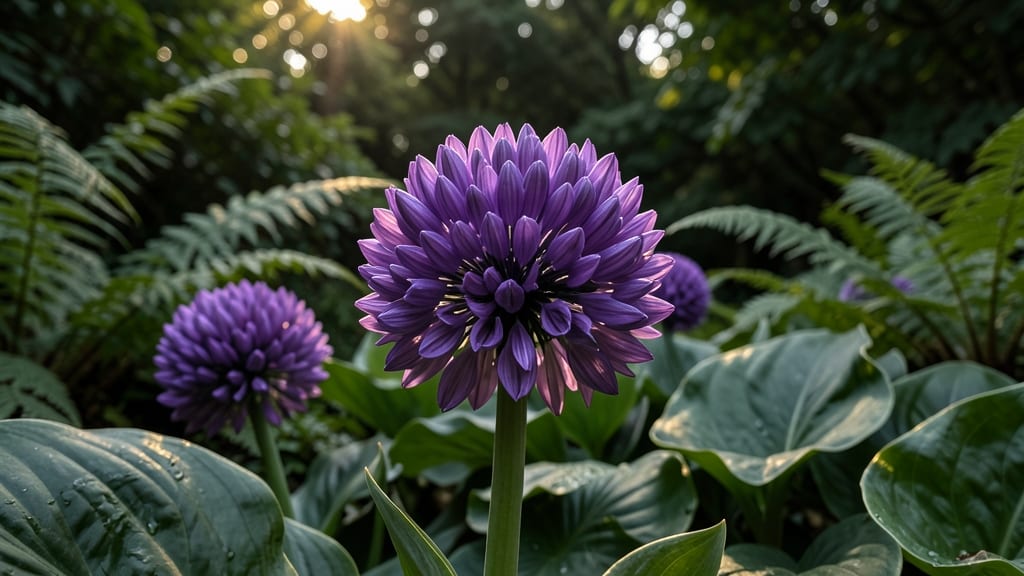
Looking for a shade-tolerant bulb that turns heads with its bold, globe-shaped blooms? Allium Globemaster delivers dramatic purple spheres that stand out against ferns and hostas, adding architectural flair to partial-shade gardens.
Plant these bulbs in fall for spring blooms, and enjoy months-long pollinator visits—bees and butterflies adore their nectar-rich flowers. Their 3-4 foot height creates vertical drama, while their drought-tolerant nature makes them low-maintenance stars. Pair them with hostas or ferns for a striking contrast.
Perfect for modern gardens or cottage-style beds, Allium Globemaster brings structure and color where sunlight is limited—ideal for gardeners craving impact without high-light demands. 🌻
Camassia Leichtlinii for Grasslike Elegance
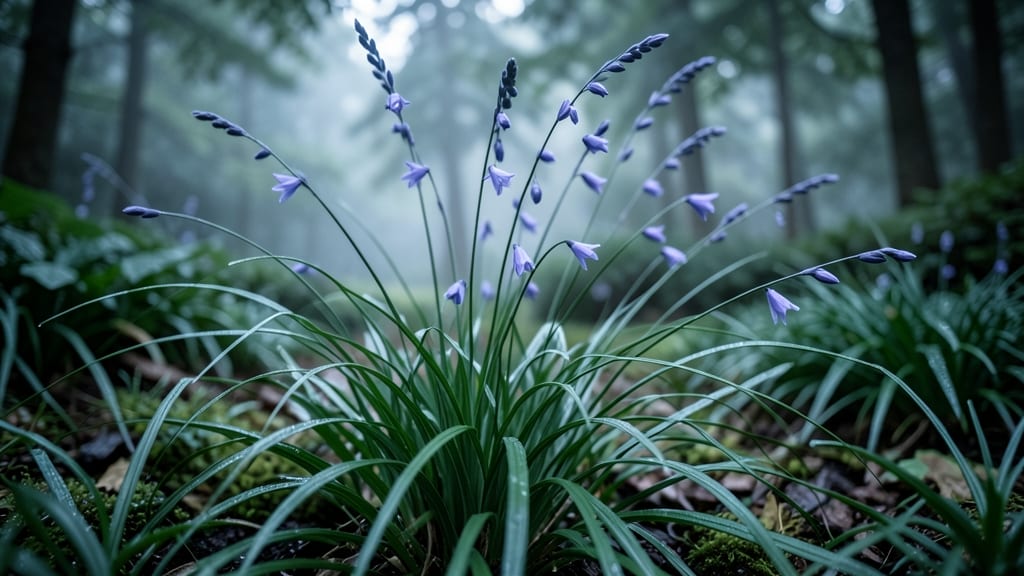
If you love the airy, sculptural look of ornamental grasses but want something equally striking in moist shade, Camassia leichtlinii delivers with its dramatic lavender-blue flower spikes that sway like natural grasses. This underused bulb thrives where others falter, making it a standout for modern or prairie-style gardens.
Plant the bulbs in fall in moist, well-draining soil and give them partial to full shade, mimicking their native wetland habitats. The 3-5 foot tall spikes bloom in late spring to early summer, providing vertical interest that contrasts beautifully with low-growing perennials. Unlike many bulbs, Camassia leichtlinii multiplies reliably, creating natural drifts over time with minimal effort.
Perfect for gardeners seeking textural diversity without the maintenance of grasses, this bulb also attracts pollinators and adds a soft, ethereal quality to shade gardens. 🌿
Erythronium Tuolumnense for Western Wildflower Charm
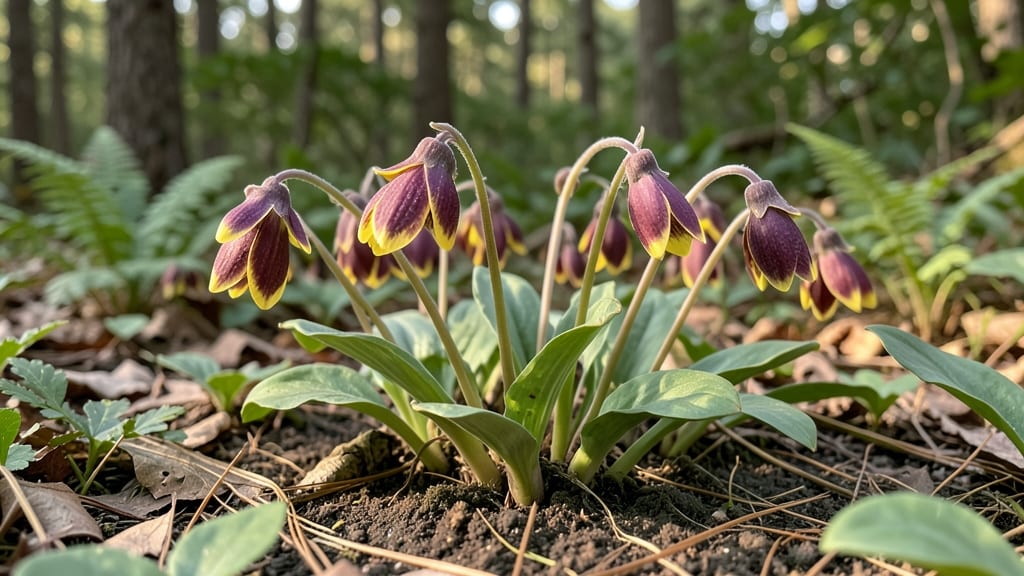
If you're craving Western wildflower charm without the fuss of high-maintenance plants, Erythronium tuolumnense—commonly called dogtooth violets—is your perfect match. These native beauties bring striking maroon-and-yellow blooms to partial shade gardens, where they naturalize effortlessly over time.
Plant them in well-draining soil under deciduous trees, where they’ll thrive with minimal water once established. Their heart-shaped leaves add texture year-round, while the spring blooms attract early pollinators. Unlike many bulbs, they’re drought-tolerant once mature, making them ideal for water-wise landscapes.
Perfect for woodland gardeners or those seeking low-maintenance wildflower appeal, these bulbs multiply over time for a self-sustaining display. 🌷
Chionodoxa Forbessi for Miniature Blue Carpet

Want a low-maintenance blue carpet that blooms before most spring bulbs even think about waking up? Chionodoxa Forbessi, or Glory-of-the-Snow, delivers a dazzling display of tiny blue stars in early spring, often while snow still lingers on the ground.
These drought-tolerant bulbs thrive in dry shade, making them perfect for rock gardens, woodland edges, or under trees where other plants struggle. Plant them just 2-3 inches deep in well-draining soil, and watch them multiply effortlessly over time—creating a self-sustaining blue blanket year after year.
Ideal for small spaces or urban gardeners with limited sunlight, Chionodoxa Forbessi pairs beautifully with early crocuses and snowdrops for a cohesive spring palette. 💚