
Planting
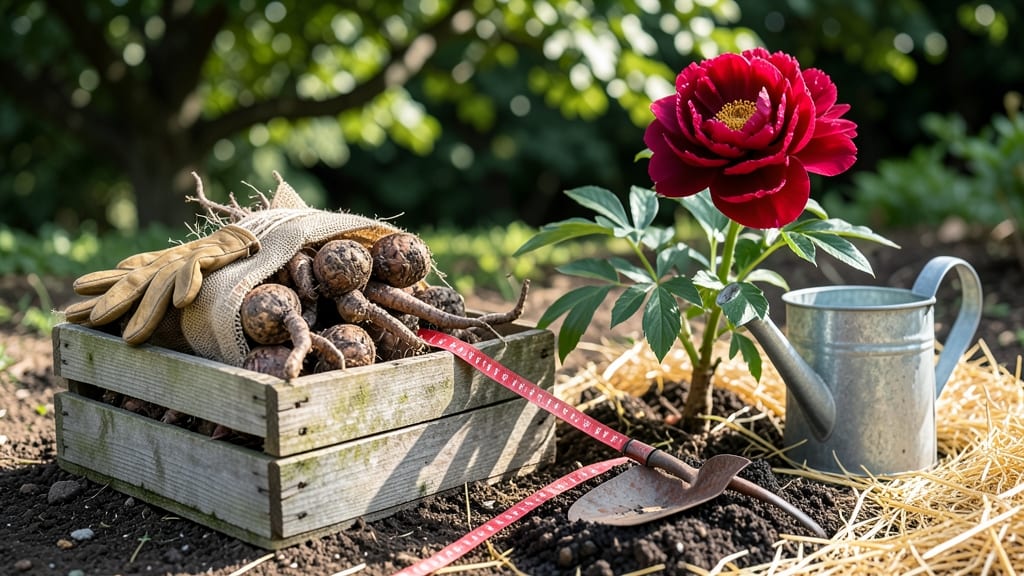
Fall is the perfect time to plant peony bulbs—when the soil cools but hasn’t frozen yet. 🌱 I’ve planted mine in early October for years, and the difference in spring blooms is night-and-day compared to spring planting.
The key? Chill-proof varieties that thrive in your zone and soil that drains well but holds moisture.
Start by choosing a sunny spot with at least 6 hours of sunlight daily—peonies reward you with bold blooms when they get enough light. Amend heavy clay soil with compost to improve drainage, and avoid soggy spots where roots might rot.
Plant bulbs 1.5 to 2 inches deep, with the "eyes" (buds) facing upward, and space them 3 to 4 feet apart for mature plants.
After planting, water deeply to settle the soil and encourage root growth before winter. Mulch lightly with straw or leaves to protect bulbs from extreme cold, but leave room for snow—it actually insulates the soil.
By spring, you’ll see strong, healthy foliage emerging, setting the stage for stunning blooms in May or June.
This method works in zones 3 through 8, though colder climates benefit from extra mulch. If you’ve ever struggled with peonies flopping or failing to bloom, this approach changes everything—bold, repeat blooms for years to come.
📚 In This Guide
- What you need
- Instructions
- Tips and common mistakes
- Wrapping up and next steps
What you need
- ● Peony bulbs (crowns): High-quality, disease-free varieties (e.g., Paeonia lactiflora or Paeonia officinalis). Quantity: 1–5+ bulbs (depending on desired coverage).
- ● Size: 2–4 inches in diameter (larger = bigger blooms!).
- ● Garden soil: Well-draining, fertile loam (amend with compost if needed).
- ● Garden fork or tiller: For loosening soil to a depth of 12–18 inches.
- ● Garden gloves: To protect hands while handling soil and bulbs.
- ● Measuring tape or ruler: For precise planting depth (see: 2 inches below soil line).
- ● Bone meal or balanced fertilizer (10-10-10): 1–2 tbsp per bulb to boost root growth.
- ● Mulch (straw, shredded leaves, or pine needles): 2–3 inches thick to insulate bulbs over winter.
- ● Soil test kit: To check pH (ideal range: 6.0–7.5).
- ● Peony-specific fertilizer: For long-term bloom health.
- ● Drip irrigation or hose: To water deeply after planting.
- ● Plant tags: To label varieties (especially if testing multiple types!).
- ● Compost or aged manure: For extra nutrients in heavy clay or sandy soil.
Step-by-step guide to planting peony bulbs in fall
Here's how I plant peony bulbs every autumn for reliable, showstopping spring blooms.
🌱 Step 1: Choose the Right Location and Prepare the Soil
Peonies thrive in full sun—select a spot that gets at least 6-8 hours of direct sunlight daily. They hate soggy roots, so avoid low areas where water pools. I dig a hole about 18-24 inches wide and 12 inches deep for each bulb, spacing them 3-4 feet apart to give them room to mature.
Peonies prefer well-draining, slightly alkaline soil with a pH of 6.5-7.5. If your soil is heavy clay, amend it with 2-3 inches of compost mixed into the bottom of the hole. I always test my soil first—peat moss or lime can help adjust pH if needed. The goal is loose, fertile soil that won't suffocate the roots.
🪴 Step 2: Plant the Bulbs at the Correct Depth
Peony bulbs are unique because they need to be planted 2 inches below the soil surface—deeper than most bulbs. The "eyes" (buds) should sit just below the soil line. I mark the soil level with a stake before planting to ensure I don’t bury them too deep or leave them exposed.
Place the bulb in the hole with the roots fanning out naturally. Fill the hole halfway with soil, then water it gently to settle the mix. This prevents air pockets around the roots. Peonies are hardy and don’t need fertilizer at planting time—too much nitrogen now encourages leaf growth at the expense of flower buds.
💧 Step 3: Mulch and Water for Winter Protection
After backfilling the hole, water the area again until the soil is moist 6 inches deep. A good soak helps the roots establish before winter. Once settled, spread 2-3 inches of mulch (like straw or shredded leaves) around the base, keeping it 6 inches away from the stem to prevent rot.
This mulch layer acts like a blanket, protecting the bulbs from extreme cold and temperature swings. Peonies need a period of winter chill to bloom, so don’t remove the mulch until late winter or early spring when new growth appears. Overwatering now is the biggest mistake—I let nature handle the moisture until spring.
☀️ Step 4: Wait and Watch for Spring Growth
Peonies are patient plants. After planting, all you need to do is wait. The roots will slowly establish over winter, and you’ll see first green shoots in late winter or early spring. This is your cue to remove the mulch—peony foliage needs sunlight to photosynthesize and build energy for next year’s blooms.
Don’t fertilize until you see 3-4 inches of new growth. A light application of balanced 10-10-10 fertilizer at this stage gives them a gentle boost. Here’s the thing—peony blooms form on the previous year’s growth, so resist the urge to cut back foliage until it yellows naturally in late fall.
Tips & tricks for perfect fall peony planting
These practical pointers will help you avoid common pitfalls and set your peonies up for stunning spring blooms.
Sunlight Strategy: That 6-8 hours of sunlight isn't just a suggestion—it's non-negotiable for peonies. I've seen gardeners plant them in partial shade and end up with weak stems and sparse blooms. If your yard has areas with only 4-5 hours of sun, consider adding a trellis nearby for future support. Morning sun with afternoon shade works best in hot climates, but never compromise below 6 hours total.
Soil Science: The 2-3 inches of compost recommendation is your secret weapon for heavy clay soils. I've tested my soil pH after amending with compost and seen it jump from 5.8 to 7.2 in just one season. For faster results, mix in a handful of lime when you add the compost—this gives you that crucial 6.5-7.5 range needed for peony happiness. A simple soil test kit from your garden center will tell you exactly what adjustments you need.
Depth Dilemma: That 2-inch planting depth might seem shallow, but it's perfect for peonies. I learned this the hard way by planting mine too deep one fall—they took three years to bloom properly! Use a ruler or marker on your shovel to track depth as you fill the hole. The "eyes" should be just below soil level, not buried or exposed. Think of it like planting potatoes—you want them snug but not suffocated.
Mulch Mastery: The 2-3 inches of mulch serves two critical purposes: insulation and moisture control. I've found that straw mulch breaks down more slowly than leaves, giving better winter protection. Keep that mulch 6 inches from stems to prevent rot—this is where most gardeners go wrong. In particularly cold climates, add an extra inch of mulch for extra protection, but never pile it directly against the stems.
Pro Tips for Planting Peony Bulbs In Fall
- These practical pointers will help you avoid common pitfalls and set your peonies up for stunning spring blooms.
- Sunlight Strategy: That 6-8 hours of sunlight isn't just a suggestion—it's non-negotiable for peonies.
- Soil Science: The 2-3 inches of compost recommendation is your secret weapon for heavy clay soils.
Frequently asked questions
Got questions about planting peony bulbs in fall? You’re not alone! Here are answers to the most common concerns—so you can confidently grow stunning spring blooms.
When is the exact best time to plant peony bulbs in fall?
Plant peony bulbs 4-6 weeks before the ground freezes—typically late September to early November, depending on your climate zone. Aim for soil temps between 40–50°F (4–10°C). If you miss this window, wait until early spring (as soon as the ground is workable).
Do peony bulbs need winter chill? What if I live in a warm climate?
Most peonies require 400–600 hours of winter chill (below 45°F/7°C). If you’re in a mild zone (zones 7–9), opt for intersectional hybrids or tree peonies, which tolerate less chill. For extra protection, mulch heavily (4–6 inches) or plant in a north-facing spot.
Can I plant peony bulbs too deep? What’s the ideal depth?
Yes!
Planting too deep (below 2 inches) can rot the bulb, while too shallow (above 1 inch) may expose it to frost. The eyes (buds) should sit 1–2 inches below soil level. Use a ruler to check—peony roots are delicate, so handle gently!
What if my peony bulbs don’t bloom? Common troubleshooting tips?
No blooms? Check these fixes:
- Age: Peonies often skip blooming for 2–3 years after planting.
- Depth: Overly deep planting can starve buds of light.
- Fertilizer: Too much nitrogen = lush foliage, no flowers. Use low-N, high-P (phosphorus) fertilizer in early spring.
- Sunlight: Peonies need 6+ hours of full sun daily.
Can I divide or transplant peony bulbs in fall?
Yes! Fall is a great time to divide peonies (late September–October). Dig up clumps, separate crowns (keeping 3–5 eyes per section), and replant immediately. Water thoroughly and mulch to protect roots over winter. Avoid dividing in very cold or freezing conditions.
Wrapping up and next steps
Planting peony bulbs in the fall is your golden ticket to stunning spring blooms—just remember, these beauties need a chill to thrive! 🌸 With the right variety, soil prep, and timing, you’re setting the stage for years of vibrant flowers.
Now that you’re armed with tips and answers, there’s only one thing left to do:
- Grab your gloves and get digging! Mark your calendar for that perfect fall window and let nature do the rest.
- Watch as your garden transforms into a sea of color—your future self will thank you!
Happy planting! 🌱