
Plants
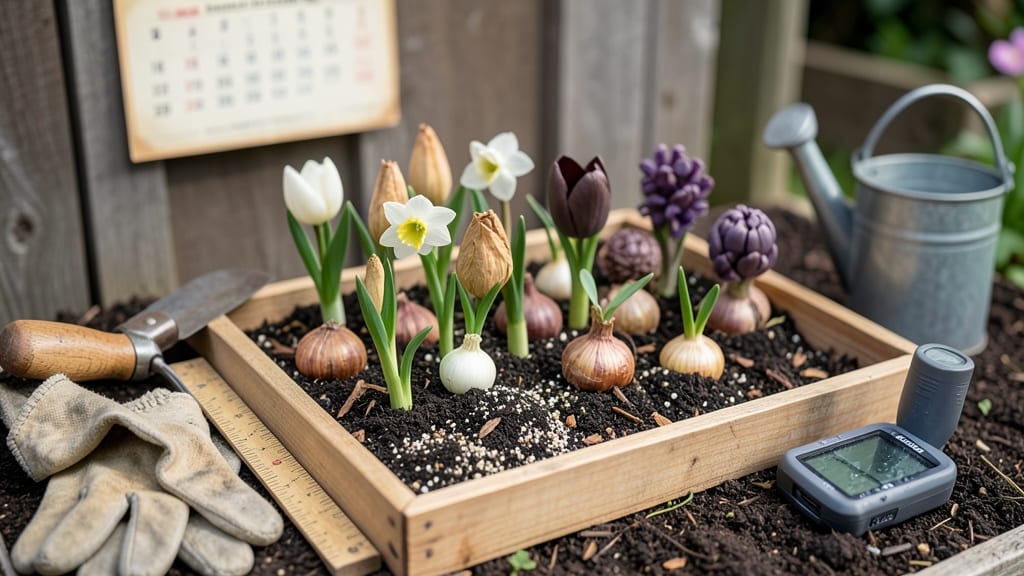
Planting bulbs in Boston for reliable spring blooms means timing them 6-8 weeks before the ground freezes—typically by late November for 🌷 tulips, daffodils, and hyacinths.
Boston’s unpredictable climate can make timing your bulb planting tricky—but getting it right means vibrant spring blooms instead of missed opportunities. One year too early, and frost will nip tender shoots. Too late, and roots won’t establish before winter sets in.
Most Spring Bulbs (e.g., Tulip, Daffodil, Hyacinth) thrive in USDA Zone 6b when planted in September or October, but cooler-loving varieties like snowdrops can wait until early spring. The key is soil temperature: aim for 60°F or below to trigger root growth.
Below, I’ll break down the exact months for your favorite bulbs, how to prep Boston’s clay-heavy soil, and the 3 common mistakes that kill blooms before they even begin. Ready to avoid the guesswork?
Boston bulb planting calendar: months by chill requirements for perfect timing
Boston’s USDA Zone 6b climate means your bulb planting success hinges on matching chill requirements with precise timing. Cool-loving bulbs like tulips and daffodils need 6-8 weeks of cold, while warm-season cannas thrive when planted after last frost.
Here’s how to align each bulb type with Boston’s October 20 first frost and April 15 last frost dates for reliable blooms.
For spring-blooming bulbs, the ideal window is September through November—planting 4-6 weeks before ground freezes (usually by late November). This ensures roots establish before winter while bulbs get enough chill hours to trigger blooming. Fall-planted bulbs like daffodils reward patience with April-June color bursts.
Intermediate bulbs such as hyacinths and alliums bridge the gap, tolerating 4-6 weeks of cold and often blooming in May-June. These can be planted slightly later, from October through early November, giving you flexibility if early frosts strike.
Warm-season bulbs like dahlias and cannas demand a different approach: wait until after May 15 (when soil temps hit 60°F) to avoid frost damage. These thrive in Boston’s summer heat and should be planted after Memorial Day for July-September blooms.
| Bulb Type | Chill Requirement | Planting Window (Boston) | Bloom Time | Key Notes |
|---|---|---|---|---|
| Cool-Loving (Tulips, Daffodils) | 6-8 weeks below 40°F | September 15 - November 15 | April - June | Plant 6-8" deep; avoid soggy soil |
| Intermediate (Hyacinths, Alliums) | 4-6 weeks below 40°F | October 1 - November 10 | May - June | Tolerates partial shade; great for containers |
| Warm-Season (Dahlias, Cannas) | None (heat-loving) | After May 15 (soil 60°F+) | July - September | Dig up tubers before first frost |
Boston’s clay-heavy soil can delay planting if it stays wet. Test soil moisture in late September—if it’s still damp, wait until October when temperatures drop and ground firms up. Amend beds with compost to improve drainage, especially for tulips, which rot in waterlogged conditions.
For late bloomers like alliums, consider early spring planting (March-April) if you missed fall windows. These bulbs tolerate cooler soils and often reward gardeners with June blooms when planted in late winter. Just ensure they’re in well-draining soil to prevent rot.
If you’re unsure about chill hours, opt for daffodils—they’re the most forgiving in Boston’s climate. Their toxic properties also deter squirrels, a common issue with tulip theft.
For container gardening, choose hyacinths or miniature daffodils, which thrive in pots and can be moved to sheltered spots during harsh winters.
Remember: Soil temperature matters more than air temperature. Use a soil thermometer to confirm 50°F+ before planting warm-season bulbs. In urban Boston, microclimates near buildings may stay warmer—adjust planting dates 1-2 weeks later in these spots to avoid frost damage.
Pro tip: Mark your planting calendar with Boston’s average frost dates and set reminders for late November (last chance for cool bulbs) and May 15 (safe for warm bulbs).
A little planning now means months of color with minimal effort—just watch your garden transform from bare ground to blooming paradise! 🌷🌿
How to adjust planting for Boston’s microclimates and soil conditions
Boston’s diverse neighborhoods create unique microclimates that can shift your planting timeline by weeks. Urban areas like Back Bay stay warmer longer, while suburban spots near Charles River cool faster—both affect when to plant bulbs. I’ve learned to adjust based on these variations to avoid frost damage or missed blooms.
Our clay-heavy soil is another challenge. Native Boston clay compacts easily, trapping moisture and suffocating roots. Without amendments, bulbs rot before they bloom. I’ve found that organic matter like compost or aged manure breaks up the clay while improving drainage—critical for tulips and daffodils that hate soggy conditions.
⚠️ callout warning ⚠️
⚠️ Urban Heat Islands vs. Suburban Cool Spots
Urban areas (e.g., Downtown, South End) can be 5-10°F warmer than suburbs, delaying frost. Plant fall bulbs 2-3 weeks later (late October) than in cool suburban zones (early October). Use row covers in exposed city gardens to protect early bloomers like crocuses from late frosts.
Suburban gardens (e.g., Brighton, West Roxbury) often have cooler microclimates. Plant hardy bulbs (daffodils, alliums) by mid-September to ensure root establishment before winter. Test soil moisture levels—clay stays damp longer, increasing rot risk for bulbs planted too late.
For urban gardens, I recommend using raised beds filled with a mix of 50% compost and 50% native soil. This mimics the drainage of suburban yards while keeping bulbs elevated above compacted city soil.
Add a 2-inch layer of mulch (straw or shredded leaves) to insulate bulbs during temperature swings—critical when urban nights drop to 30°F while days stay mild.
In suburban areas, focus on soil aeration. Rent a broadfork to loosen clay to 12 inches deep before planting. This helps roots penetrate while reducing waterlogging.
I’ve had success with dahlias and cannas in these conditions, but only after adding perlite or coarse sand to improve drainage for their larger bulbs.
To extend your growing season, use row covers or cold frames in both urban and suburban settings. For spring bulbs like tulips, cover them with frost blankets after planting to protect from early October frosts.
In suburban areas, a cold frame can let you plant summer bulbs (e.g., gladiolas) as early as late March instead of waiting for May.
Finally, monitor your local frost dates—they vary by neighborhood. Check the National Weather Service Boston for last frost dates (typically April 15) and adjust your spring planting accordingly.
For fall bulbs, aim to finish by November 1 in suburbs or November 15 in urban heat islands to ensure roots establish before winter.