
Flowers
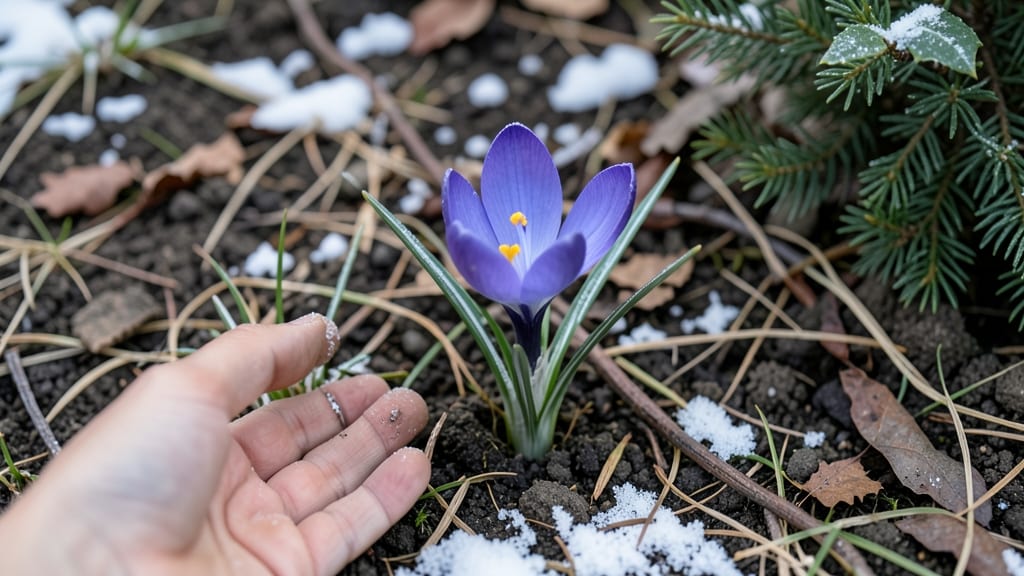
Planting snow crocus bulbs means purple magic peeking through snow by late winter. 🌱 These hardy bulbs thrive where others refuse to grow, pushing through frost to deliver the first splash of color. Their secret? A deep dormancy that makes them tougher than most spring flowers.
They need full sun to partial shade and well-draining soil—rocky or sandy works best. Plant bulbs 3-4 inches deep in fall (October-November), spacing them 3-4 inches apart.
The key is timing: too early and they’ll rot; too late and they won’t bloom in time for that showstopping early spring display. When cared for right, you’ll see bold purple blooms within weeks of snowmelt, often before daffodils even think about waking up.
They multiply over time, creating naturalizing drifts that spread effortlessly—no digging required. Perfect for rock gardens, woodland edges, or containers, snow crocus adds drama without fuss. Just plant, forget, and enjoy the surprise when winter finally loosens its grip.
📚 In This Guide
- What you need
- Instructions
- Tips and common mistakes
- Wrapping up and next steps
What you need
- ● Snow crocus bulbs – 10–20 bulbs per square foot (choose early-blooming varieties like Crocus tommasinianus or Crocus chrysanthus for best results).
- ● Well-draining potting soil – 1–2 bags (1–2 cubic feet each), amended with compost for nutrients.
- ● Garden fork or trowel – For digging planting holes (avoid sharp tools to prevent bulb damage).
- ○ Garden gloves – Optional but recommended for protection while handling soil and bulbs.
- ● Mulch (straw or shredded leaves) – 1–2 inches thick to insulate bulbs in winter.
- ● Slow-release fertilizer – 1 tbsp per 10 sq ft (low-nitrogen, high-phosphorus blend for blooms).
- ● Plant labels – To track varieties (especially useful if mixing colors!).
- ● Rocks or pebbles – For decorative borders around planted areas.
- ● Watering can with a fine rose – For gentle hydration after planting.
Step-by-Step instructions for planting snow crocus bulbs
Here's how to bring early spring's bold purple blooms to your garden with minimal fuss.
🌱 Step 1: Choose the Perfect Planting Location
Snow crocus thrives in full sun to partial shade, with at least 6 hours of sunlight daily. The key is selecting a spot where they'll emerge before surrounding perennials leaf out—this ensures their vibrant purple blooms aren't hidden. I always plant them near early-blooming shrubs or along pathways where their color will pop against bare soil.
Check your site's drainage by digging a 6-inch deep hole and filling it with water. If it doesn't drain within an hour, amend the soil with 2-3 inches of coarse sand or gravel to prevent rot. Snow crocus won't tolerate soggy roots, and this simple test saves future headaches.
🪴 Step 2: Prepare the Soil and Plant Bulbs
Loosen the soil to a depth of 8-10 inches using a garden fork or tiller. Work in 2-3 inches of compost to provide nutrients without overwhelming the bulbs. The goal is light, crumbly soil that lets roots spread easily—think of it as giving your crocus a fluffy bed to settle into.
Plant bulbs 3-4 inches deep and 3-4 inches apart, with the pointed end facing upward. I like to space them in clusters of 5-7 for a natural, drift-like appearance. Press the soil gently around each bulb to eliminate air pockets, then water thoroughly to encourage root growth before dormancy sets in.
☀️ Step 3: Mulch and Protect for Winter
Apply a 2-inch layer of mulch (like shredded bark or straw) after planting to insulate bulbs from freezing temperatures. This isn't just about warmth—it also prevents soil heaving during freeze-thaw cycles, which can push bulbs too close to the surface. I use a light-colored mulch to reflect sunlight and keep roots cooler.
In areas with harsh winters, add a 4-inch layer of leaves or evergreen boughs on top of the mulch for extra protection. Remove this covering in early spring once shoots appear—you'll spot them peeking through the soil around late winter to early spring, depending on your climate.
⏰ Step 4: Maintain Through Bloom and Beyond
Once blooms appear, water lightly only if rainfall is scarce—snow crocus stores moisture in its bulbs and doesn't need frequent watering. The real work is done before they emerge. After flowering, let the foliage die back naturally to replenish the bulb's energy stores for next year.
I mark planting spots with small flags or pebbles to avoid disturbing the bulbs when planting summer annuals nearby. Snow crocus multiplies over time, so you'll see more blooms each year without replanting—just enjoy the show and resist the urge to tidy up too soon!
Tips & tricks for perfect snow crocus planting
Here's what I learned after years of planting these early bloomers—and how to avoid the mistakes I made.
Location Strategy: In Step 1, when choosing your spot, prioritize areas where snow melts quickly. These bulbs need that early sunlight to trigger blooming, so avoid low-lying spots where cold air pools. I've found that planting near south-facing walls or against light-colored fences gives them an extra warmth boost during those chilly spring mornings.
Drainage Test: That 6-inch deep drainage test in Step 1 is non-negotiable. I once planted in soil that seemed fine until winter, when the bulbs rotted from poor drainage. If your soil fails the test, consider planting in raised beds or containers with drainage holes—snow crocus will forgive many sins but not soggy roots.
Planting Depth: The 3-4 inch depth recommendation in Step 2 is perfect for most climates, but in regions with extreme winters, plant slightly deeper (4-5 inches) to protect against heaving. Press the soil firmly around each bulb to eliminate air pockets—this simple step prevents future rot by ensuring good soil contact.
Mulch Layer: That 2-inch mulch layer in Step 3 is your secret weapon against winter damage. For extra insulation in harsh climates, I layer straw first (to wick moisture away), then add the mulch on top. This two-layer system keeps roots consistently cool and protected without suffocating the bulbs.
Pro Tips for Snow Crocus Bulbs
- Here's what I learned after years of planting these early bloomers—and how to avoid the mistakes I made.
- Location Strategy: In Step 1, when choosing your spot, prioritize areas where snow melts quickly.
- Drainage Test: That 6-inch deep drainage test in Step 1 is non-negotiable.
Frequently asked questions
When is the best time to plant snow crocus bulbs?
The ideal time to plant snow crocus bulbs is in early fall (4–6 weeks before the first hard frost). This gives the bulbs time to establish roots before winter. For zones with mild winters, you can plant as late as November. Pro tip: Plant them shallowly—just 2–3 inches deep—to ensure they bloom early!
Can snow crocus survive a harsh winter?
Yes! Snow crocus bulbs are extremely hardy (zones 3–8) and thrive in cold climates. Their natural dormancy makes them resistant to frost, snow, and even light freezes. In fact, they often bloom through snow or early ice—just plant them in well-draining soil to prevent rot.
Why aren’t my snow crocus bulbs blooming?
Common reasons include too much shade, overcrowded bulbs, or planting them too deep. Snow crocus needs full sun to partial shade and benefits from dividing bulbs every 2–3 years. If they’re not blooming, check soil drainage and ensure they’re not buried deeper than 2 inches.
How do I care for snow crocus after they bloom?
Once the foliage yellows (about 6–8 weeks after blooming), let it die back naturally—this recharges the bulb for next year. Avoid cutting it too soon, as the leaves produce energy for future blooms. Water moderately until the soil dries out in late summer, then stop watering until fall.
Can I grow snow crocus in containers?
Plant them in well-draining containers with a mix of potting soil and sand or perlite. Use shallow pots (at least 6 inches deep) and place them in a sunny spot. Bonus: Container-grown crocus can be moved to extend their bloom time or protect them from pests.
Are snow crocus bulbs deer- or rodent-resistant?
While deer and rodents rarely bother snow crocus, they may nibble if other food is scarce. For extra protection, plant bulbs in wire mesh baskets or use deer repellent sprays. Their early bloom time also means they’re often left alone until other plants become more appealing.
Wrapping up and next steps
Ready to welcome early spring with a burst of vibrant purple? Planting snow crocus bulbs is your ticket to a stunning, low-maintenance garden showstopper. These hardy beauties thrive with minimal effort, offering months of color before most flowers even think about blooming.
Whether you're a seasoned gardener or a curious beginner, now’s the perfect time to dig in—your future garden will thank you!
🌱 Next step: Grab those bulbs, pick a sunny spot, and get planting! For extra flair, pair them with daffodils or hyacinths. Happy gardening—your spring garden is about to get a magical upgrade! 💜