
Planting
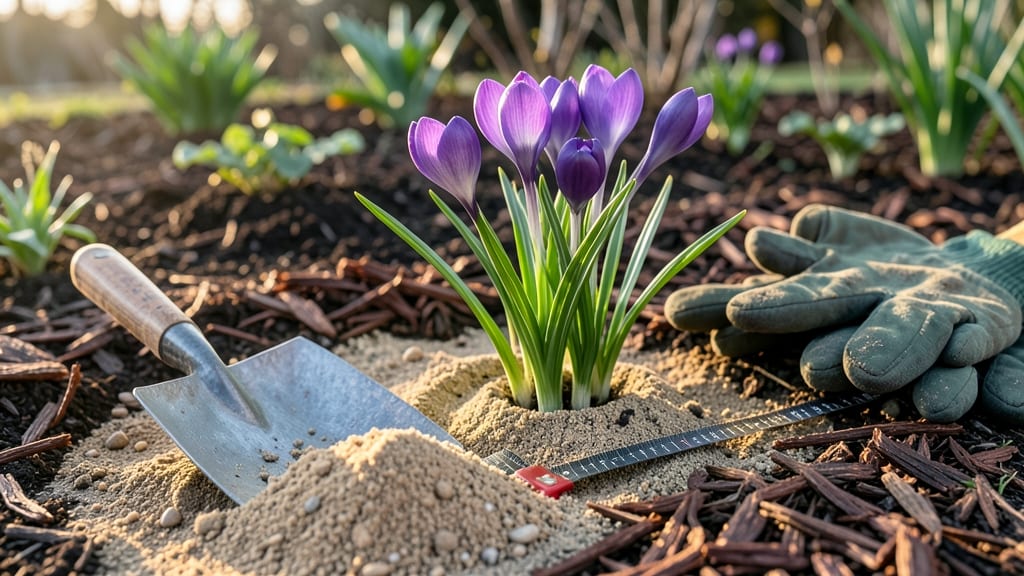
Planting fall crocus bulbs 🌸 is the secret to waking up to early spring color—before most gardens even stir.
Picture this: purple, white, or yellow blooms pushing through snow, signaling that winter’s grip is loosening. But those show-stopping flowers start with the right timing and technique this fall. Skip the basics, and you might end up with nothing but bare soil next March.
Most gardeners plant too late or too shallow, missing the chill-hour window these bulbs need to bloom reliably. In USDA Zone 6a (like much of the Midwest), that means getting them in the ground by mid-November—but the exact timing shifts north or south.
Too early, and they’ll rot; too late, and they’ll miss their dormancy period.
Here’s how to nail it: the exact chill-hour zones for your area, soil prep tricks to prevent rot, and spacing secrets that ensure year-after-year blooms. No guesswork—just a foolproof plan for crocuses that return stronger every spring.


How to plant fall crocus bulbs in the right chill-hour zones
Fall crocus bulbs are the unsung heroes of early spring gardens—plant them correctly now, and you’ll be rewarded with vibrant purple, white, or yellow blooms before most flowers even think about waking up.
The secret to their success lies in understanding your chill-hour zone, which determines when and how these bulbs will bloom.
Unlike spring-planted bulbs, fall crocuses need a specific number of hours below 45°F to trigger flowering, and getting this right means the difference between a showstopping display and disappointed gardeners next March.
Most fall crocus varieties require between 3,000 and 6,000 chill hours to bloom reliably. If you live in USDA zones 3-8, you’re in the perfect range—but timing your planting to match your local climate is key.
Plant too early, and the bulbs might sprout prematurely; too late, and they won’t get enough cold exposure. Let’s break down the exact steps to plant your crocus bulbs for guaranteed spring color, tailored to your specific zone.
| USDA Zone | Chill-Hour Range | Ideal Planting Window | Soil Temp for Planting | Depth (inches) |
|---|---|---|---|---|
| 3-4 | 5,000-6,000 | Mid-September to early October | 50-60°F | 3-4 |
| 5-6 | 4,000-5,000 | Late September to mid-October | 55-65°F | 3-4 |
| 7-8 | 3,000-4,000 | October to early November | 60-70°F | 3-4 |
*Chill hours = cumulative hours below 45°F. Use a local weather app to track your zone’s chill hours.
Before you dig, prepare your soil like a pro. Crocus bulbs thrive in well-draining soil with a slightly acidic to neutral pH (6.0-7.0). If your soil is heavy clay or compacted, mix in compost or sand to improve drainage.
A handful of bone meal fertilizer (5-10-10) at planting time gives them a nutrient boost for next spring’s blooms. Avoid fresh manure—it can burn delicate bulb roots.
Now for the planting! Use a hand trowel to dig holes 3-4 inches deep, spacing them 3-4 inches apart. Place each bulb with the pointy end up—this ensures they grow straight and strong.
If you’re planting in a lawn, use a bulb planter or a long screwdriver to make clean holes without disturbing the grass too much. For containers, use a well-draining mix and plant bulbs in a single layer at the bottom.
Water thoroughly after planting to settle the soil around the bulbs, but avoid overwatering—crocuses hate soggy roots. A light soak once a week until the ground freezes is enough.
In USDA zones 7-8, where winters are milder, you might need to chill bulbs in the fridge for 6-8 weeks before planting to mimic natural cold exposure. This trick works wonders for forcing early blooms!
Mulch lightly with straw or shredded leaves after planting to protect bulbs from freezing and thawing cycles. Too much mulch can suffocate them, though, so keep it thin—just enough to insulate without smothering.
In snowy climates, a light dusting of snow actually helps insulate the soil naturally, so don’t rush to clear it away.
Patience is key now—your crocus bulbs are hard at work underground, developing roots and storing energy for next spring’s vibrant blooms. Mark your planting spots with small flags or stakes so you don’t accidentally dig them up when the ground thaws.
Come March, you’ll be the first in the neighborhood to enjoy those cheerful purple, white, or yellow flowers peeking through the snow.
Pro tip: Plant crocus bulbs in groups of 5-10 for a dramatic effect. Mix colors like 'Pickwick' (purple), 'Whitewell' (white), and 'Blue Pearl' (blue) for a stunning early spring carpet. And remember, these bulbs multiply over time—so you’ll have even more blooms next year with minimal effort!
🌸
Best fall planting months by region for crocus success
Timing is everything when planting fall crocus bulbs—get it right, and you’ll enjoy early spring blooms that brighten your garden before tulips even peek through. The key lies in your USDA hardiness zone and local frost dates.
Most gardeners should aim for September to October, but warmer climates (zones 8-10) can plant as late as November.
Crocus varieties also play a role in timing. Early bloomers like 'Early Beauty' need planting 6-8 weeks before frost, while late varieties such as 'Blue Pearl' can wait until October.
Check your last frost date—planting too early in warm zones risks premature sprouting, while waiting too long in cold areas may leave bulbs vulnerable to frost damage.
- 🌡️ Zones 3-5: September 15-October 15 – Plant early to ensure bulbs establish roots before deep freeze.
- 🌿 Zones 6-7: October 1-November 1 – Ideal window balances cool soil and frost avoidance.
- ☀️ Zones 8-10: November 1-15 – Wait until soil temps drop below 60°F to prevent sprouting.
For container gardening, adjust timing slightly. Potted crocuses can handle slightly later planting (up to 2 weeks after ground planting) since containers warm up faster. Just ensure pots have drainage holes to prevent root rot during winter rains.
In raised beds, soil cools faster—plant on the earlier side of your zone’s window.
Watch for local weather patterns too. If your fall brings unseasonably warm spells, delay planting until temps drop. Conversely, if frost arrives earlier than expected, plant 2-3 weeks ahead of schedule. A quick check of your local cooperative extension service provides hyper-local frost data—gold for crocus success.
Don’t forget bloom timing adjustments! Planting early in fall often yields earlier spring blooms, while later planting can delay flowers by 1-2 weeks. For show-stopping displays, stagger plantings—add half your bulbs in September and the rest in October to extend your colorful spring show.
Once planted, mulch lightly (1-2 inches) with straw or leaves to protect bulbs from freeze-thaw cycles. Avoid heavy mulch—it can smother sprouts in spring. With the right timing, your crocus garden will reward you with cheerful blooms that say, "Spring is here!" before the snow even melts. 🌸