
Flowers
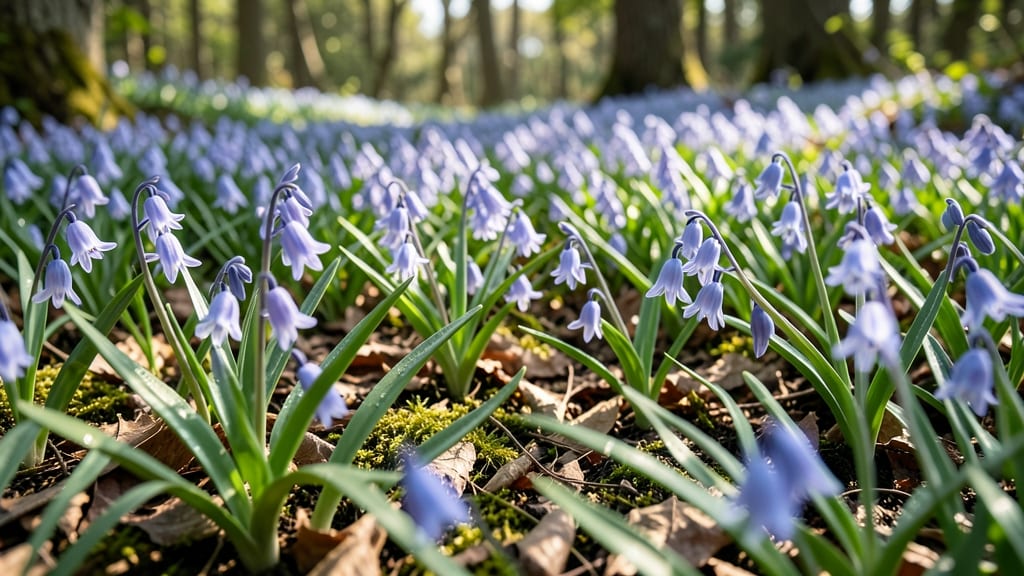
Spring’s earliest blooms come from bulbs that thrive with minimal fuss. These 10 perennial favorites burst into color year after year, requiring little more than planting and patience—ideal for gardeners who want beauty without the upkeep.
Daffodils for Reliable Early Color
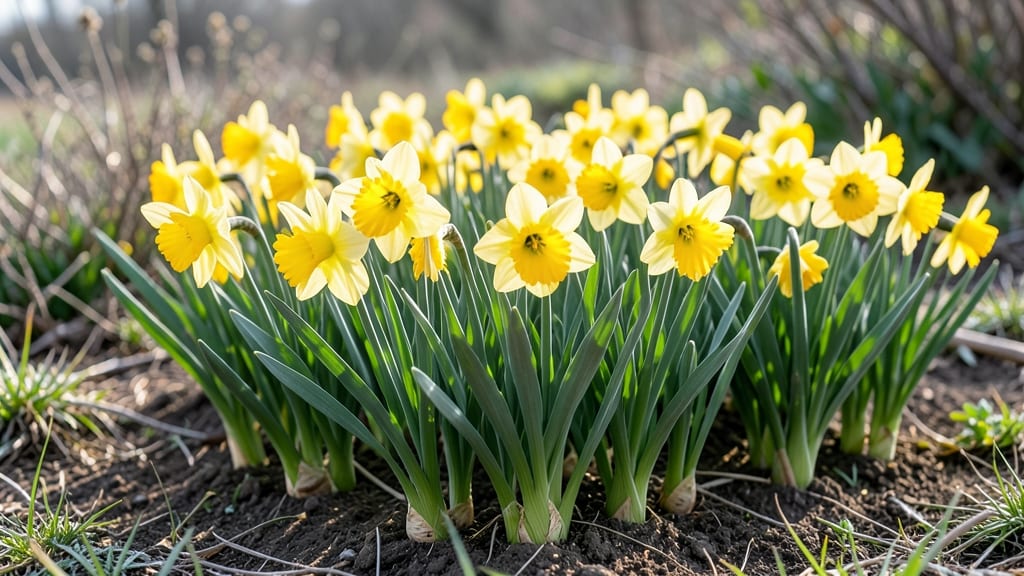
Tired of seasonal flowers that fade after one bloom? Daffodils deliver bold, cheerful color every spring with almost no effort—once planted, they multiply and return for decades. Their deer-resistant nature makes them a favorite for rural gardens, while their cold-hardy bulbs survive harsh winters effortlessly.
Plant them in fall (6-8 weeks before frost) in well-draining soil with 6 hours of sun daily. After blooming, let the foliage yellow naturally to feed the bulb for next year—no deadheading or staking required. Choose varieties like 'Tête-à-Tête' for compact clusters or 'Ice Follies' for pure white drifts.
Perfect for beginners or busy gardeners, daffodils transform lawns, borders, and containers into low-maintenance spring spectacles. 🌱
Tulips in Bold Spring Shades
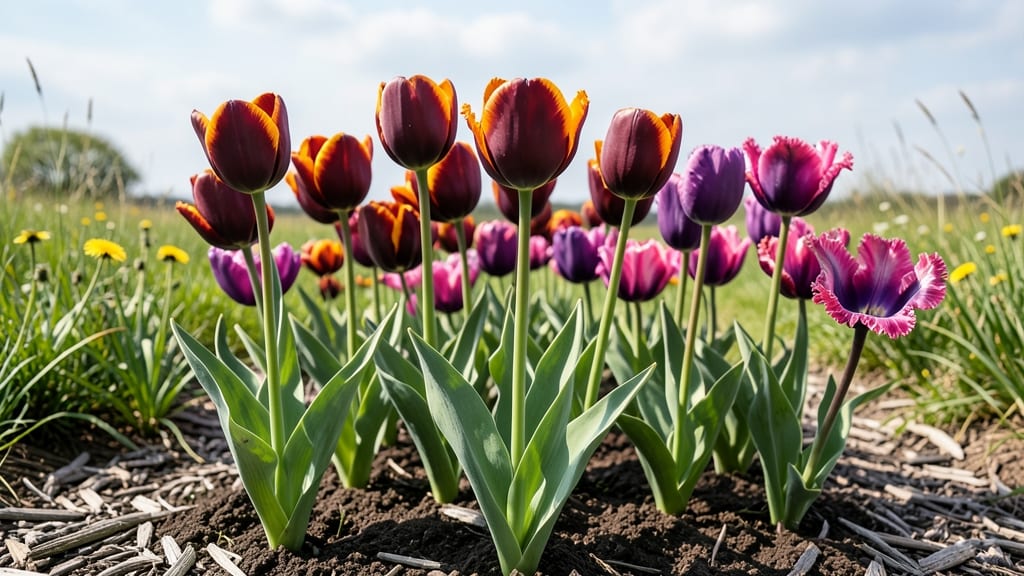
Want to transform your garden into a springtime masterpiece with minimal effort? Tulips deliver bold, show-stopping color that’s perfect for both bouquets and beds—but there’s a secret to keeping them standing tall.
Choose taller varieties like 'Darwin Hybrid' or 'Parrot Tulips' for dramatic height, but don’t skip the stakes! Insert bamboo or floral stakes at planting time to prevent flopping in wind or rain. For cut flowers, select early bloomers like 'Apeldoorn' or 'Fosteriana'—their sturdy stems hold up beautifully in vases for up to a week.
These bulbs thrive in full sun (6+ hours daily) and well-drained soil, making them ideal for gardeners who crave high-impact seasonal color with low fuss. Just remember: let the foliage die back naturally after blooming to fuel next year’s show. 🌻
Hyacinths with Fragrant Purple Blooms
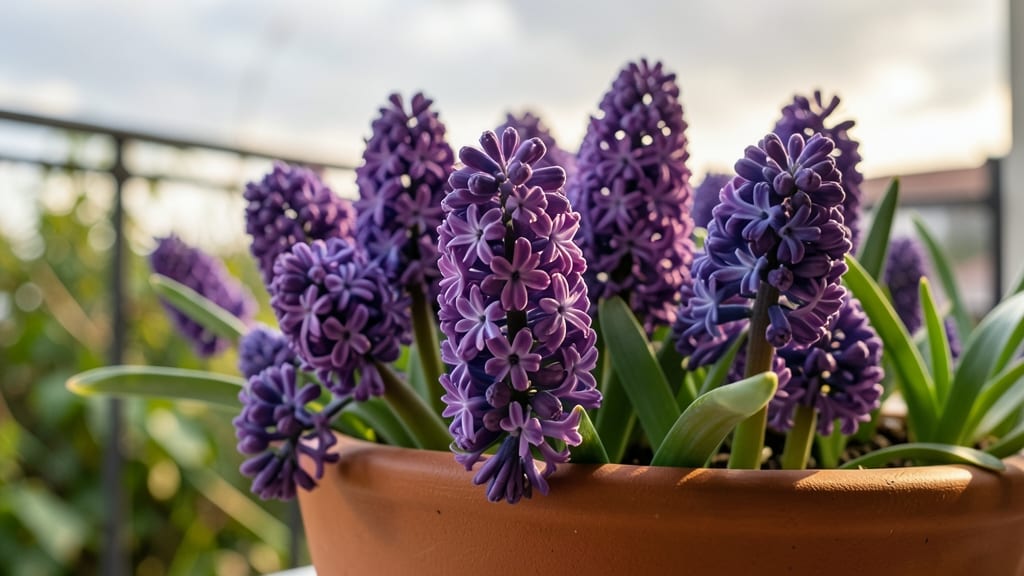
If you crave a burst of fragrance in tight spaces, hyacinths deliver with their intoxicating purple blooms packed into compact clusters. Unlike their taller bulb cousins, these thrive in containers or small garden corners, making them perfect for balconies, patios, or even windowsills.
Plant them in well-draining soil (mix in perlite or sand) to prevent bulb rot, and give them full sun to partial shade. The blooms arrive reliably in early spring, filling the air with a sweet, honey-like scent that attracts bees and hummingbirds. For containers, choose pots with drainage holes and group 3-5 bulbs together for maximum impact.
Urban gardeners and small-space lovers will adore how hyacinths turn even the tiniest nook into a fragrant paradise—just remember to deadhead spent blooms to encourage next year’s show. 🌷
Alliums for Dramatic Height
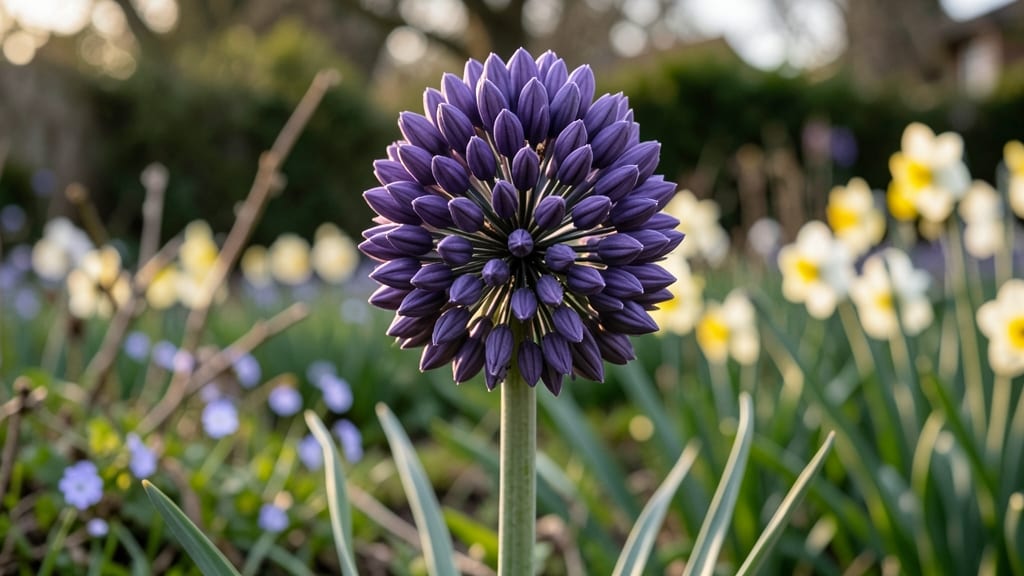
When your garden needs a vertical pop without the fuss of staking or pruning, alliums deliver with their globe-shaped blooms that rise dramatically above other spring flowers. These architectural stars thrive in poor soil, making them ideal for neglected corners or cottage garden borders where other plants might struggle.
Plant allium bulbs in fall for spring blooms that reach 2-4 feet tall, creating stunning focal points. They attract pollinators like bees and butterflies while requiring zero special care—no fertilizing, no fussing. Varieties like Allium giganteum or Allium schubertii offer vibrant purple spheres that contrast beautifully with delicate spring blooms.
Perfect for low-maintenance gardeners, alliums naturalize over time, returning year after year with minimal effort. 🌻
Crocus for Tiny but Bold Blooms
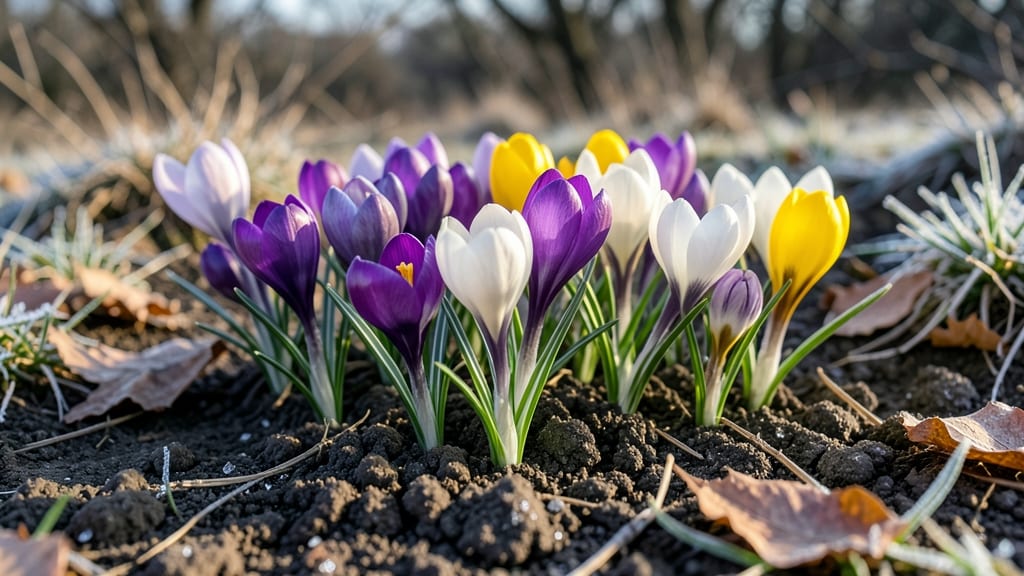
When your garden still looks like a winter landscape, crocus bursts through the soil like tiny bursts of color. These cheerful blooms often appear as early as February in mild climates, offering a bold pop of purple, white, or yellow before most perennials even think about waking up.
Plant them in full sun to partial shade and watch them naturalize over time—meaning they’ll multiply and spread year after year with almost no effort. Unlike many bulbs, crocus thrives in lawns, making it perfect for gardeners who want color without sacrificing grass space. Just plant the corms 3-4 inches deep in well-draining soil, and they’ll reward you with early spring cheer. 🌷
Fritillaria for Checkered Elegance
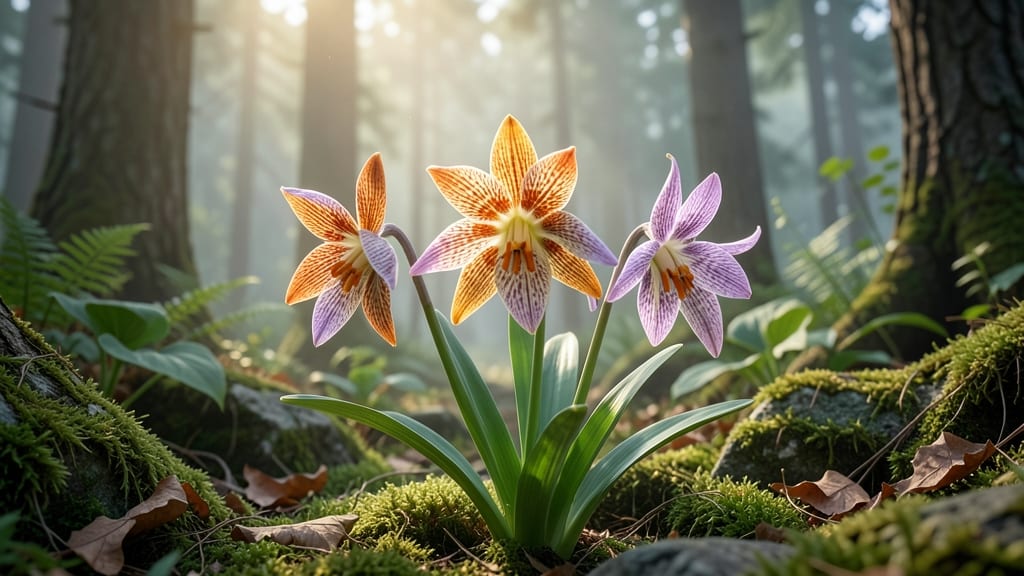
Transform your shaded garden into a woodland masterpiece with fritillaria, the bulb that delivers exotic checkered elegance. These bell-shaped blooms feature striking marbled patterns in shades of orange, white, and purple, creating a look you won’t find in any other spring bulb.
Plant fritillaria in well-drained soil and partial shade, mimicking their native woodland habitats. They thrive in cooler climates (USDA zones 3-8) and prefer to be left undisturbed once established. The bulbs take 2-3 years to naturalize fully, but their unique charm makes the wait worthwhile.
Perfect for gardeners who love unusual textures and low-maintenance perennials, fritillaria adds drama without the fuss of annuals. Pair them with ferns or hostas for a true woodland garden feel. ✨
Muscari for Forget-Me-Not Clusters
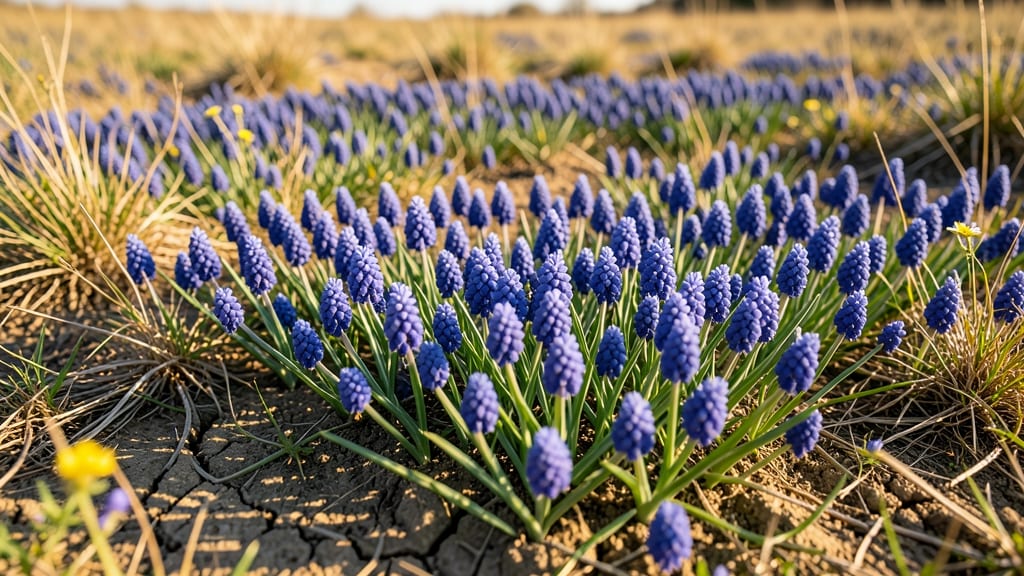
If you love the look of grape hyacinths but want something even tougher, muscari delivers dense, grape-like blue clusters that spread slowly into stunning drifts. These hardy bulbs thrive where others struggle, making them perfect for sunny meadows or wildflower gardens.
Plant muscari in full sun to partial shade with well-draining soil, and they’ll reward you with spring blooms that last for weeks. Unlike their delicate cousins, they tolerate drought once established and spread gradually to fill gaps naturally. Their forget-me-not-like flowers add a whimsical touch to borders or rock gardens.
Ideal for gardeners who want low-maintenance color, muscari pairs beautifully with daffodils or alliums for layered spring interest. Perfect for pollinators too! 🌟
Snowdrops for Winter-to-Spring Blooms
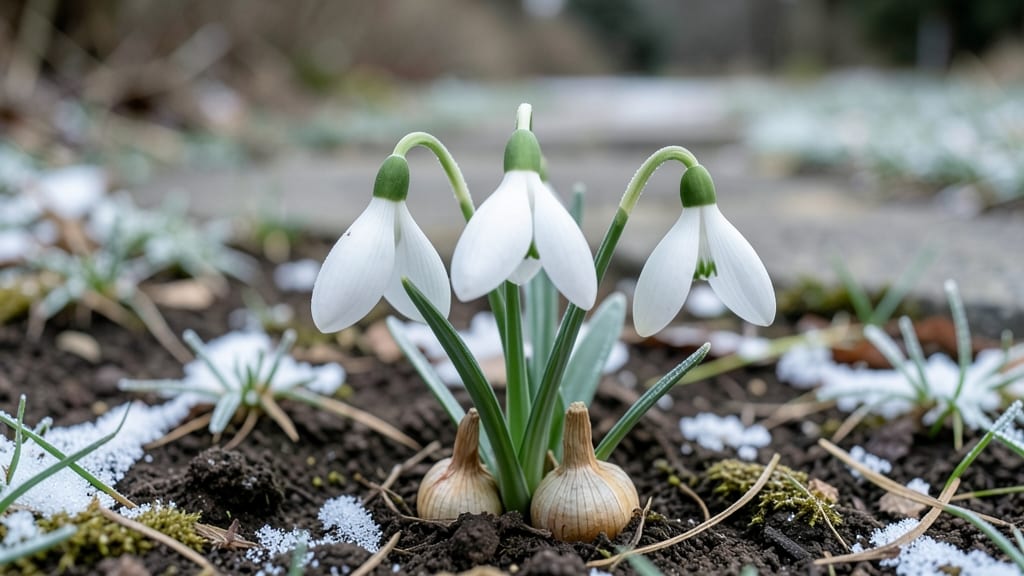
When winter still clings to the landscape, snowdrops break through the cold with delicate white blooms, offering a whisper of spring’s promise. These hardy perennials thrive in partial shade and even poor soil, making them ideal for understory planting where other bulbs struggle.
Plant snowdrop bulbs in fall, just 2-3 inches deep, and they’ll reward you with early blooms as soon as late winter or early spring. Their symbolic resilience makes them perfect for woodland gardens, naturalizing effortlessly under trees or along shady borders. Unlike many spring bulbs, they don’t demand rich soil—just a spot where few other plants dare to grow.
Perfect for gardeners seeking low-maintenance beauty and a touch of magic, snowdrops bring hope to the darkest corners of winter. 🌱
Bleeding Heart for Shaded Gardens
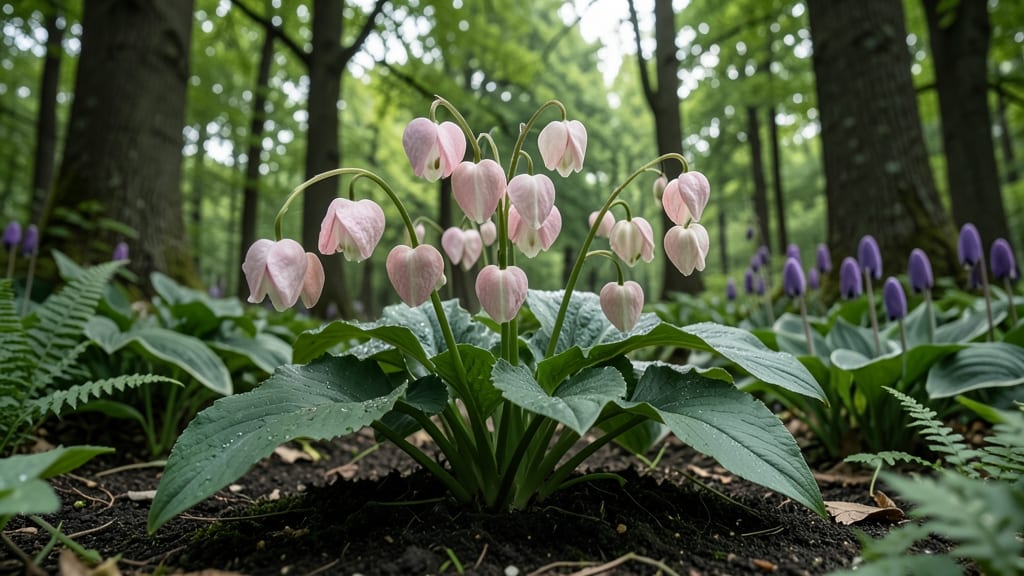
If your garden has shady spots where traditional spring bulbs struggle, bleeding heart (Dicentra spectabilis) is your secret weapon. This isn’t a true bulb but a tuber that thrives in moist, dappled shade—where few other plants bloom with such grace. Its delicate, heart-shaped flowers in soft pink or white create a romantic focal point that lasts from late spring to early summer.
Unlike most bulbs, bleeding heart prefers rich, consistently moist soil and partial to full shade—making it perfect for woodland gardens, under trees, or along north-facing walls. Plant the tubers 2-3 inches deep in early fall or spring, spacing them 12-18 inches apart for a lush, cascading effect. Mulch around them to retain moisture and protect roots from summer heat.
This plant is a dream for shade-loving gardeners who crave drama without the sun. While it’s not a true bulb, its long-lived tubers return year after year with minimal care—just remember to cut back the foliage after flowering to encourage next season’s blooms. 💚
Bluebells for Woodland Charm

Transform your shady garden corners into a magical woodland with English bluebells, whose delicate blue-green bell-shaped flowers create dreamy drifts that spread effortlessly over time. Unlike many spring bulbs, bluebells thrive in the dappled light and moisture-rich conditions that other flowers avoid—making them perfect for understory planting.
Plant bulbs in clusters of 10-15 in moist, well-drained soil during fall for spring blooms, spacing them 4-6 inches apart. Their slow-spreading habit means you’ll see more color each year as they naturalize, creating a carpet of flowers by their third season. For best results, pair them with hostas or ferns to mimic their native woodland environment.
These charming bulbs are ideal for gardeners who want low-maintenance beauty in shaded areas where few other plants succeed. Once established, they’ll reward you with years of effortless spring color. 🌿